 MochiSim
July 25, 2026
What Should You Know Before Visiting Vietnam?
Vietnam is easiest when you choose a sensible route rather than trying to swallow the whole country in one trip. Check entry requirements, allow for regional weather, and arrange your first transfer and mobile data before you arrive; the rest can stay flexible.
The country is long, and journeys often take more energy than the map suggests. A good trip usually combines a few contrasting places with enough time to eat slowly, wander without luggage and occasionally do absolutely nothing.
Which places should you include in your Vietnam itinerary?
Choose places that fit together geographically, then give each one enough time to feel distinct. Hanoi, Ho Chi Minh City, Da Nang, Hoi An and Hạ Long Bay make a strong first-trip shortlist, but squeezing all of them into a rushed itinerary means seeing a great deal of your suitcase.
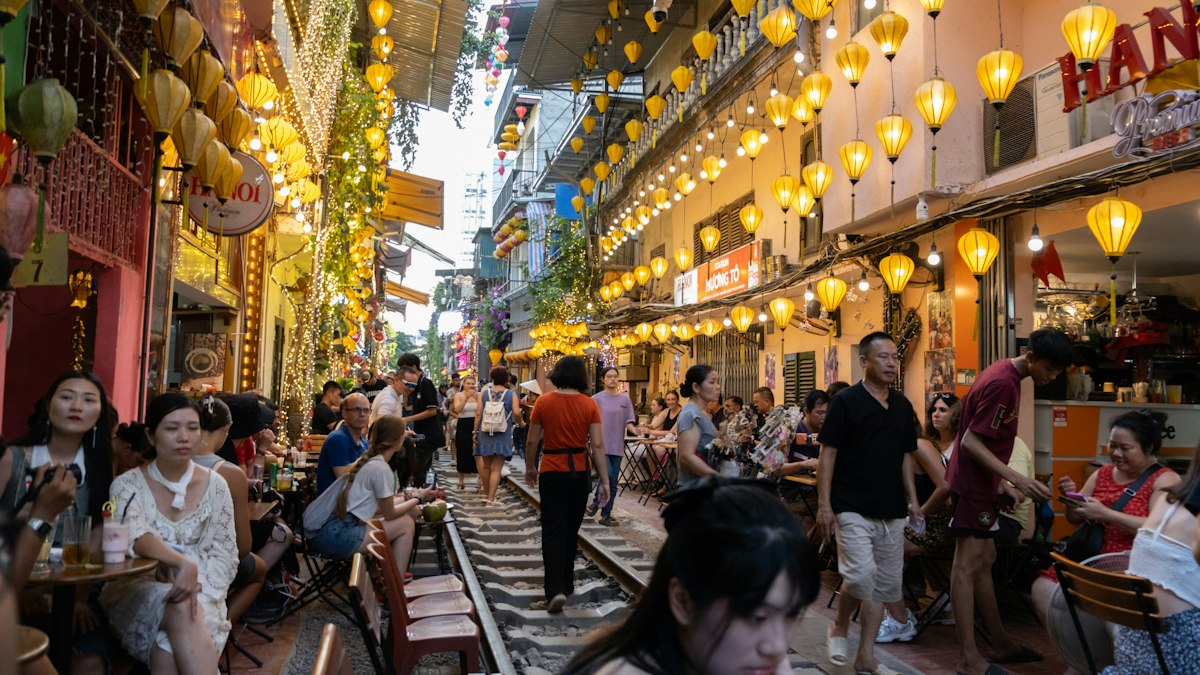
- Hanoi: Best for leafy streets, lakes, old shopfronts, northern food and the controlled chaos of the Old Quarter. Stay long enough to explore beyond the main sights and sit down for coffee without checking the clock.
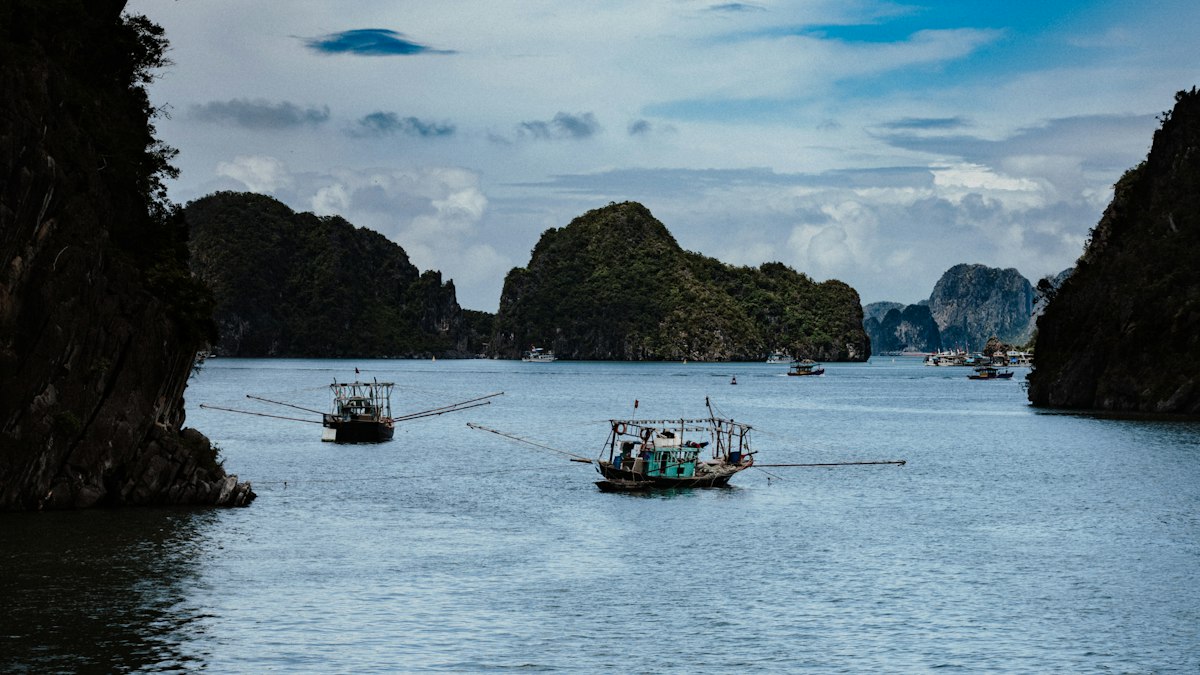
- Hạ Long Bay: Usually visited from Hanoi on a cruise or organised excursion. Compare the vessel, route, transfers, meal arrangements and cancellation terms rather than choosing from photographs alone. Weather can alter sailings.
- Da Nang: A practical central base with beaches, a major transport hub and access to the surrounding coast and hills. It also works well as a breather between busier cities.
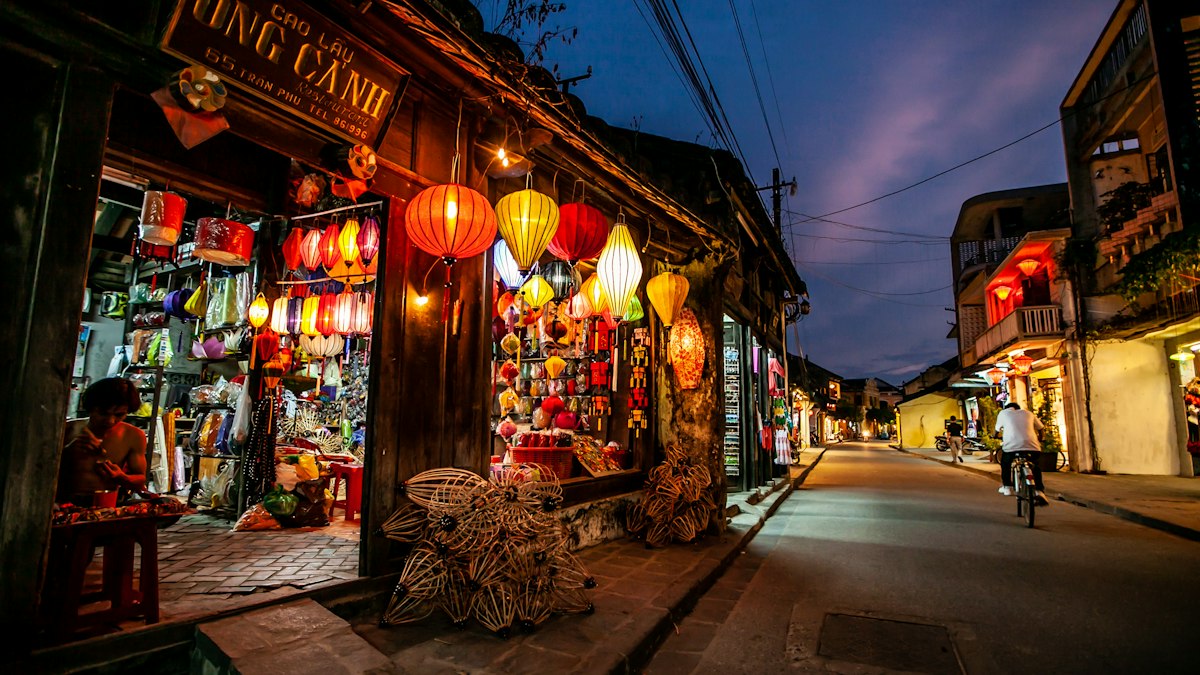
- Hoi An: Known for its preserved old town, lantern-lit evenings, nearby countryside and easy pace. It is close to Da Nang, though heavy rain can occasionally disrupt plans.
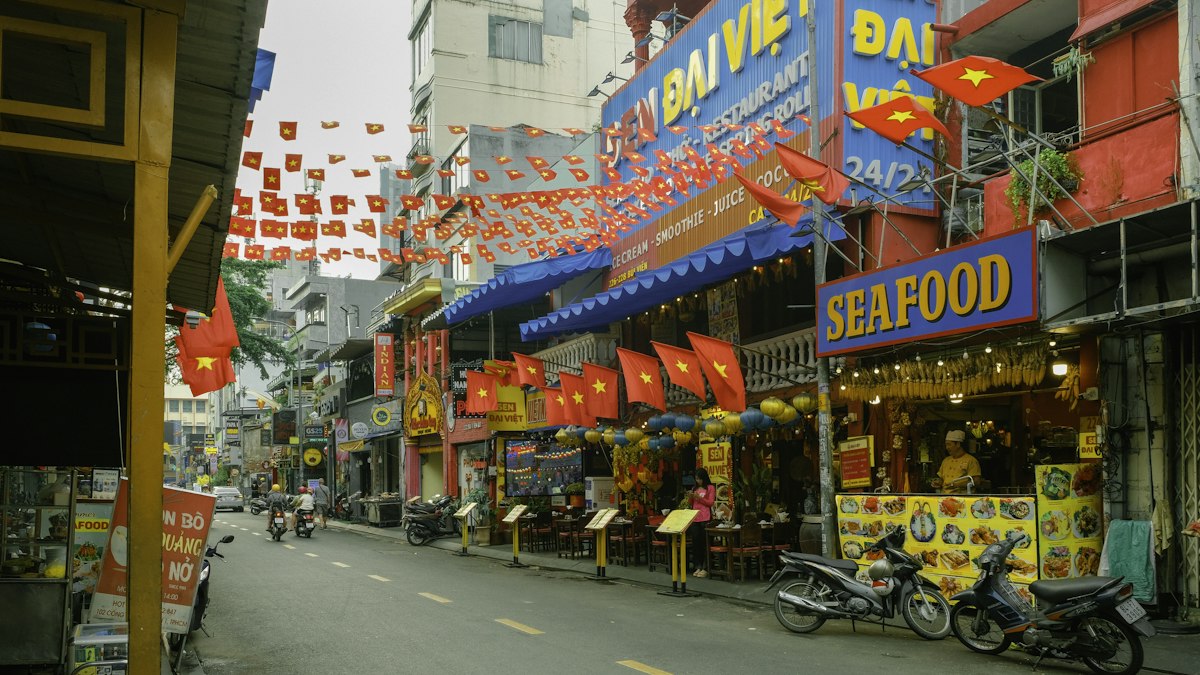
- Ho Chi Minh City: Vietnam’s largest urban experience feels quick, commercial and relentlessly awake. Look beyond the central landmarks to markets, museums, neighbourhood cafés and the city’s deep southern food culture.
Before booking, check passport and visa rules through official Vietnamese government sources. Requirements depend on nationality and can change, so an old forum post is not an entry document, however confidently it is written.
How should you plan your route and get around?
Travel in one direction where possible, using flights or trains for long jumps and local transport for shorter links. Vietnam’s shape makes a north-to-south or south-to-north route more efficient than repeatedly doubling back.
A straightforward planning process looks like this:
- Pick your arrival and departure cities. Flying into one end of the country and leaving from the other can remove an unnecessary return journey.
- Check the season in each region. Northern, central and southern Vietnam do not share identical weather patterns. Heat, rain and cooler spells arrive at different times.
- Choose your essential stops. Build around the places you would genuinely regret missing, not every pin saved on social media.
- Compare realistic journey times. Include station transfers, airport procedures and hotel check-in, not only the scheduled travel time.
- Book important long-distance legs. Popular trains, flights and overnight buses may have limited availability around holidays and major events.
- Leave one flexible block. Weather changes, a place proves more interesting than expected, or you simply need an afternoon without forward motion.
Within cities, walking works for compact districts, while metered taxis and ride-hailing apps are useful for longer journeys. Confirm the vehicle details shown in the app before getting in. If you rent a scooter, check that your licence is valid, wear a proper helmet and confirm that your travel insurance covers the vehicle and activity. Vietnam is not the ideal place to discover that confidence and competence are different things.
What food should you try in Vietnam?
Start with regional dishes rather than treating Vietnamese food as a single national menu. Recipes, herbs, sweetness and serving styles change as you move through the country.
In Hanoi, look for phở, bún chả with grilled pork and noodles, and chả cá, a fish dish served with herbs and accompaniments. Central Vietnam is associated with dishes such as mì Quảng, cao lầu in Hoi An and the spicy beef noodle soup bún bò Huế. In Ho Chi Minh City and the south, you will find abundant fresh herbs, rice dishes, broken rice and a broad street-food culture.
A busy stall can be a good sign, but use ordinary judgement:
- Choose food cooked thoroughly and served hot.
- Look for ingredients stored cleanly and protected from traffic and insects.
- Use bottled or properly filtered water if you are uncertain about the supply.
- Tell staff clearly about allergies; translation tools can help, but severe allergies require extra caution because kitchens may share equipment.
- Introduce unfamiliar dishes gradually if your stomach has just endured a long flight.
Coffee deserves its own pause. Vietnamese preparations can involve condensed milk, coconut or egg, and cafés range from tiny pavement setups to quiet rooms hidden above busy streets.
What cultural habits should you know?
Polite, calm behaviour will carry you through most situations. You do not need to master every custom, but noticing how people around you behave is usually more useful than arriving with a rigid etiquette checklist.
Dress modestly when visiting temples, pagodas and other religious sites. Cover shoulders and knees where requested, lower your voice and remove shoes when signs or local practice indicate that you should. Ask before photographing worshippers, ceremonies or people at close range.
Public disagreement is often handled less directly than some visitors expect. Staying patient helps when language barriers or confusing arrangements arise. A greeting and a few words of Vietnamese are appreciated, even if your pronunciation causes a gentle rescue operation.
Traffic requires its own cultural adjustment. At crossings, wait for a reasonable gap, move steadily and remain predictable. Do not make sudden dashes or assume every vehicle will stop. Follow signals and use pedestrian crossings where available.
How can you manage money and keep to a budget?
Build your budget around the structure of the trip, not a fixed daily figure copied from someone else. Accommodation style, domestic flights, organised cruises and private transfers can change your spending far more than an occasional bowl of noodles.
Separate your expected spending into:
- accommodation;
- long-distance transport;
- local journeys;
- meals and drinks;
- tours and entrance tickets;
- shopping;
- an emergency reserve.
Cards are accepted in many hotels and established businesses, while cash remains useful at markets, small eateries and rural stops. Carry more than one payment method and keep them separately. Before travelling, check your bank’s overseas withdrawal and conversion terms, and decline unexpected help from strangers at cash machines.
Flexible bookings can be valuable during periods of uncertain weather. Read cancellation conditions carefully, especially for cruises, flights and activities that depend on suitable conditions.
Is Vietnam safe for independent travellers?
Vietnam is manageable for independent travellers, but you still need to take traffic, petty theft, weather and food hygiene seriously. The aim is not suspicion; it is avoiding the small lapses that turn into long conversations with an insurer.
Keep your phone and bag away from the road edge, especially when standing near moving traffic. Use registered transport or a reputable ride-hailing service, check vehicle details and avoid unlicensed drivers approaching you inside terminals. Keep digital copies of your passport, insurance and bookings somewhere you can access without your phone.
Check current government travel advice before departure and monitor local weather during the trip. Coastal storms, flooding and extreme heat can affect roads, flights and boat trips. For health guidance, consult an appropriate travel clinic and make sure your insurance covers your planned activities and destinations.
Save your accommodation address in Vietnamese. It is surprisingly useful when you are tired, offline or facing a driver who knows the street perfectly but not its English pronunciation.
Do you really need an eSIM in Vietnam?
No, an eSIM is not essential, but it removes the need to find a physical SIM after landing and can give you mobile data for maps, messages and ride bookings once your phone connects to a supported local network. Public Wi-Fi exists in many hotels and cafés, though it is less useful when you are standing outside a station trying to locate the correct entrance.
Travelling to Vietnam?
- 1 GB per day · 3 days€6.20
- 3 GB per day · 1 day€6.30
- 5 GB for the whole plan · 3 days€7.10
Before choosing an eSIM, check that your phone supports eSIMs and is unlocked from your home network. Use the manufacturer’s specifications or your device settings rather than assuming compatibility from the model name alone, because regional versions can differ.
For a smoother setup:
- Install the eSIM over reliable Wi-Fi before departure.
- Label your home SIM and travel eSIM clearly in your settings.
- Select the travel eSIM for mobile data when you arrive.
- Follow the provider’s instructions on data roaming.
- Disable data roaming on your home line if you want to avoid unintended usage.
- Check whether the eSIM includes only data or also supports ordinary calls and texts.
Coverage and network performance vary with location, local network conditions, terrain and the partner network used by the plan. Download offline maps, booking confirmations and your hotel address before long rural journeys or boat trips, where a signal may be less dependable.
Travelling to Vietnam?
Get an eSIM with instant data and land already connected.
Stay connected wherever you travel
Instant eSIM data plans, wherever you're going. No physical SIM, no roaming surprises.