 MochiSim
July 24, 2026
How Should You Spend 10 Days in Vietnam?

For a first 10-day trip to Vietnam, travel north to south through Hanoi, Ninh Binh, Hoi An and Ho Chi Minh City. Use domestic flights for the longest legs, stay at least two nights in each main city, and treat Ninh Binh and the Mekong Delta as day trips rather than adding more hotel changes.
This route gives you old neighbourhoods, limestone scenery, central Vietnam’s food and architecture, and the energy of the south. It is brisk, but it still leaves time to sit down for a bowl of noodles without checking your watch every three minutes.
What is the best 10-day Vietnam itinerary?
The most balanced route is three nights around Hanoi, three in Hoi An and three in Ho Chi Minh City, with your final day reserved for departure. Starting in Hanoi creates a satisfying north-to-south journey, though you can reverse it if flights work better that way.
Day 1: Arrive in Hanoi
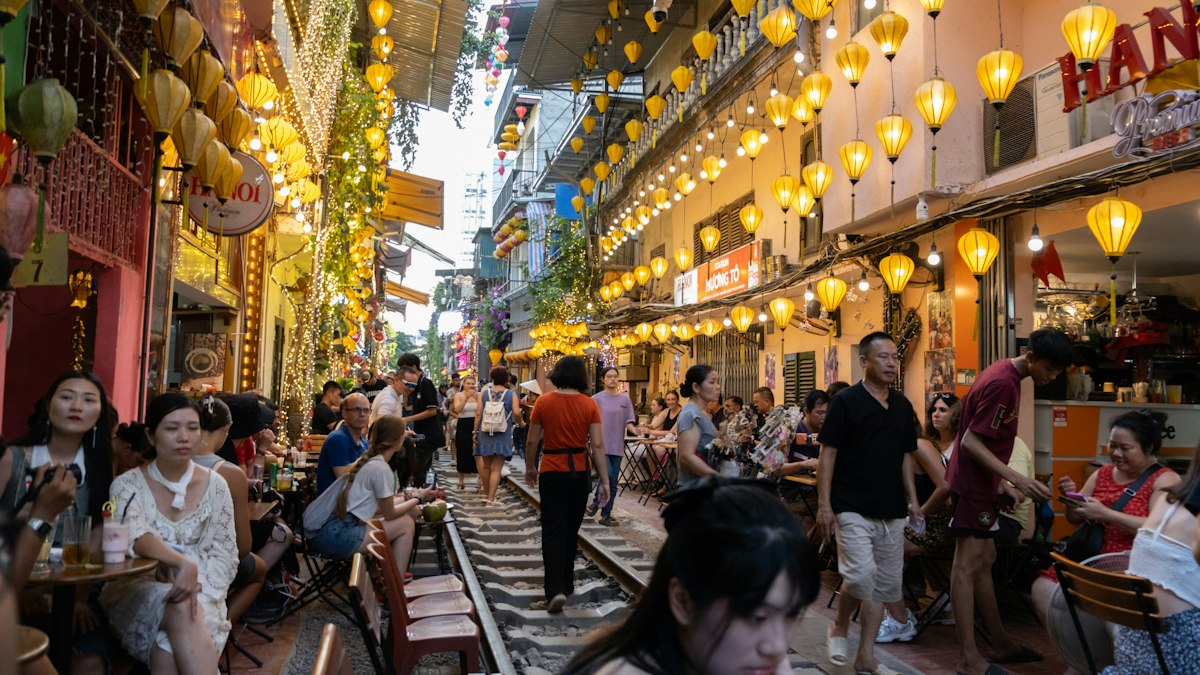
Keep your first day deliberately light. Check in, walk around Hoan Kiem Lake and explore the Old Quarter’s narrow streets. A street-food tour can be useful if you want help decoding what is bubbling in all those metal pots, but wandering under your own steam is equally rewarding.
Day 2: Explore Hanoi
Visit the Temple of Literature, then choose between the Ho Chi Minh complex, the Vietnam Museum of Ethnology or more time in the Old Quarter. Check official opening information before setting out, as museums and historic sites may close on particular days. In the evening, try a water-puppet performance or find a small local restaurant away from the busiest junctions.
Day 3: Take a Ninh Binh day trip
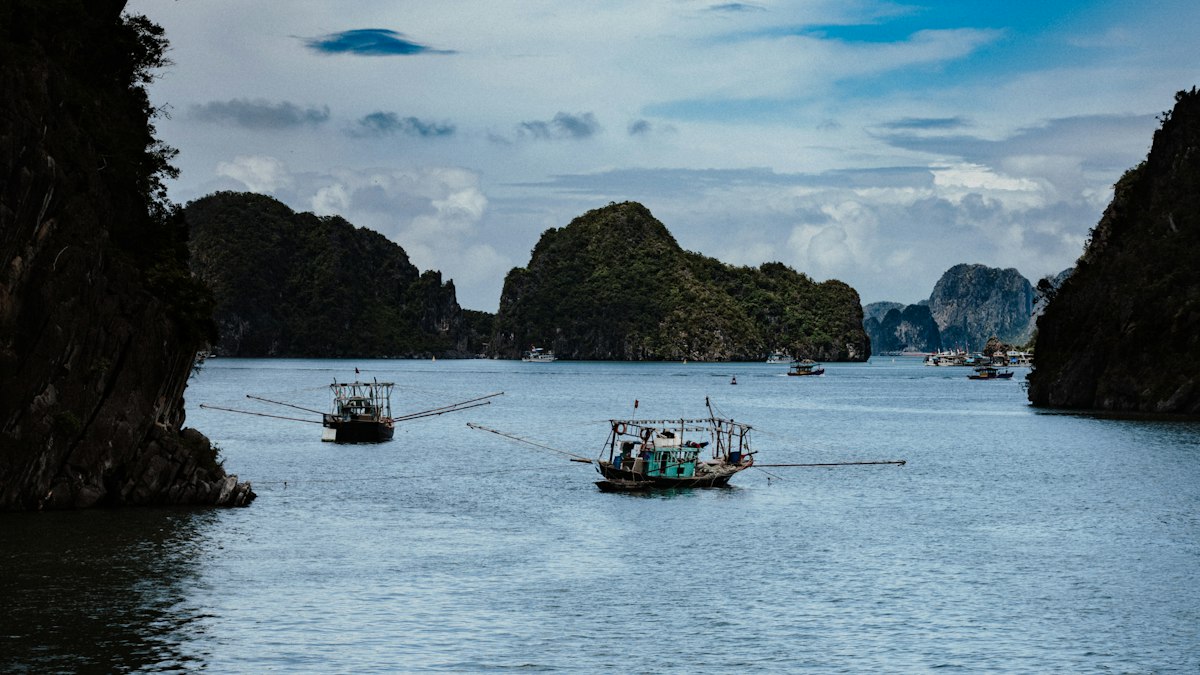
Travel south for the limestone peaks and waterways around Trang An or Tam Coc. Boat trips pass beneath cliffs and through caves, while Hang Mua offers a steep climb to a broad view over the surrounding countryside. Return to Hanoi for the night so you do not have to repack after one sleep.
Day 4: Fly to Da Nang and continue to Hoi An
Take a morning flight from Hanoi to Da Nang, then transfer by car or shuttle to Hoi An. Hoi An does not have its own airport. Spend the late afternoon walking through the Ancient Town, when the heat often feels less insistent and the riverside begins to glow.
Day 5: Discover Hoi An
Explore the old merchant houses, assembly halls, markets and lanes around the Japanese Covered Bridge. Start early if you prefer quieter streets. Later, join a cooking class, cycle into the surrounding countryside or accept that a slow lunch is also a perfectly respectable cultural activity.
Day 6: Choose coast, countryside or ruins
Use this flexible day for the beach, nearby villages or an excursion to the Mỹ Sơn sanctuary. The best choice depends on the weather and your interest level. If temples are not your thing, do not visit them from a sense of administrative duty; Hoi An rewards unplanned time.
Day 7: Fly to Ho Chi Minh City
Return to Da Nang Airport and fly south. After checking in, walk around central Ho Chi Minh City, including Nguyen Hue pedestrian street and the streets surrounding the old post office and cathedral area. Restoration work and access arrangements can change, so regard landmark interiors as a bonus rather than the whole plan.
Day 8: Explore Ho Chi Minh City
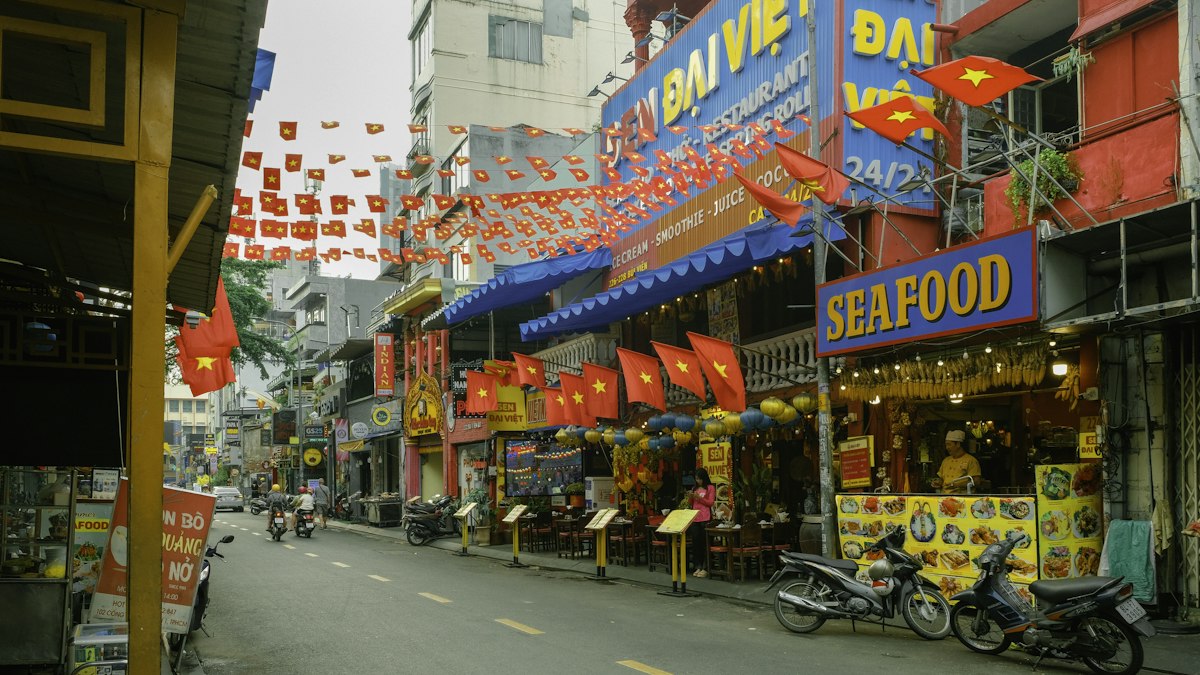
Visit the Reunification Palace and War Remnants Museum if you want historical context, allowing time afterwards to process what you have seen. For a different side of the city, explore Cholon’s markets and temples or spend the afternoon following cafés and food stalls through less formal neighbourhoods.
Day 9: Visit the Mekong Delta
Take a guided day trip towards the Mekong Delta, choosing an itinerary that focuses on smaller waterways and local communities rather than a long sequence of souvenir stops. Ben Tre is one common base for boat journeys. Read recent reviews carefully, because the quality and pace of day tours vary.
Day 10: Depart Ho Chi Minh City
Leave this day mostly open. Traffic can be unpredictable, and squeezing in one final distant attraction before a flight is how pleasant holidays acquire an unnecessarily dramatic ending.
How should you travel between each stop?
Domestic flights are the practical choice for Hanoi to central Vietnam and Da Nang to Ho Chi Minh City on a trip this short. Vietnam’s railway is appealing if you have more time, but covering the full length of the country by train would consume too much of this itinerary.
For each leg:
- Hanoi to Ninh Binh: Join a day tour, hire a car with a driver or use a train or coach and arrange local transport on arrival.
- Hanoi to Hoi An: Fly to Da Nang, then take a pre-arranged transfer, taxi or shuttle to Hoi An.
- Hoi An to Ho Chi Minh City: Return to Da Nang Airport and fly to Tan Son Nhat Airport.
- Ho Chi Minh City to the Mekong Delta: A guided day tour is simplest because local sights are spread across waterways and rural roads.
- Within cities: Walk where practical, then use registered taxis or a reputable ride-hailing app for longer journeys.
Book flights by airport code and city, not by what looks nearby on a map. Also check baggage rules before confirming, especially if you have collected ceramics, coffee and several garments that somehow became essential in Hoi An.
Is this route too rushed for Vietnam?
This route is brisk but manageable because it limits you to three bases. Vietnam is long, and trying to add Ha Long Bay, Huế, Đà Lạt and another beach would turn the trip into a tour of departure lounges and hotel reception desks.
If you prefer slower travel, make one of these adjustments:
- Skip the Mekong Delta and give Ho Chi Minh City a less structured final day.
- Replace Ninh Binh with an extra day in Hanoi if you dislike early starts.
- Stay in central Vietnam for the final four days and omit Ho Chi Minh City entirely.
- Add extra days rather than swapping flights for long overnight journeys merely to claim more stops.
Ninh Binh earns its place because it adds rural scenery without requiring another hotel. Hoi An provides a slower middle section, while Hanoi and Ho Chi Minh City show two distinct urban faces of the country. You will not see all of Vietnam. That is not a flaw in the itinerary; it is geography being stubborn.
What should you book before leaving home?
Book the journey’s fixed points first, then leave smaller activities flexible enough to match the weather and your energy. A sensible order is:
- Check entry requirements. Visa and passport rules depend on your nationality and can change, so use Vietnam’s official immigration sources.
- Confirm international flights. Note which city you arrive in and depart from before choosing the direction of travel.
- Reserve domestic flights. Allow comfortable buffers rather than building connections that depend on everything running perfectly.
- Choose accommodation in each base. Prioritise a location that suits how you travel, whether that means walkable historic streets or easier airport access.
- Arrange essential transfers. A confirmed Hoi An transfer is particularly useful after a late arrival in Da Nang.
- Book only high-priority tours. Keep weather-sensitive outings flexible where possible and check cancellation terms.
Save booking confirmations offline. Screenshots are inelegant but remarkably effective when airport Wi-Fi, a tired brain and an unfamiliar confirmation page meet at the same moment.
How do you stay connected in Vietnam?
An eSIM can keep maps, translation tools and booking messages available without finding a physical SIM shop after landing. Whether it works on your trip depends on your phone, its lock status and the plan’s stated coverage, so check all three before buying.
Travelling to Vietnam?
- 1 GB per day · 3 days€6.20
- 3 GB per day · 1 day€6.30
- 5 GB for the whole plan · 3 days€7.10
Before departure:
- Confirm that your phone supports eSIM in its settings or the manufacturer’s documentation.
- Check that the device is unlocked from your home mobile network.
- Read the eSIM activation instructions and coverage details.
- Install the eSIM while you have reliable internet, but follow the provider’s guidance on when to activate it.
- Save the QR code or installation details somewhere accessible from another device.
On arrival, select the travel eSIM for mobile data and enable data roaming for that line if the instructions require it. Turn off data roaming on your home SIM to reduce the chance of unintended roaming use. Network availability varies by place, building, terrain and local conditions, so download key maps and addresses for offline use as a backup.
What practical details make the trip easier?
Packing for regional variation and leaving slack in your schedule will make this route considerably easier. Conditions can differ between northern, central and southern Vietnam, so check the forecast for each stop rather than looking at one national weather symbol.
A few practical habits help:
- Carry light clothing plus a layer for air-conditioned transport and cooler northern evenings.
- Bring rain protection that is easy to reach, not buried beneath everything else.
- Dress respectfully for temples and religious sites, with shoulders and knees covered where requested.
- Keep some cash available because small vendors may not accept cards.
- Drink treated or bottled water and choose busy food stalls where ingredients are being cooked freshly.
- Cross roads steadily and predictably, watching traffic throughout rather than following another pedestrian blindly.
- Leave room around domestic flights, especially during periods of difficult weather.
- Store your hotel name and address in Vietnamese for drivers.
For Ninh Binh, wear shoes suitable for wet boat landings and steep steps. For Hoi An, carry a small dry bag or protective pouch during unsettled weather. In Ho Chi Minh City, plan outdoor sightseeing for the cooler parts of the day and give major roads more crossing time than your instincts initially suggest.
Travelling to Vietnam?
Get an eSIM with instant data and land already connected.
Stay connected wherever you travel
Instant eSIM data plans, wherever you're going. No physical SIM, no roaming surprises.