 MochiSim
July 21, 2026
Vietnam or Thailand: Which Should You Visit?
Thailand is usually the better choice for a relaxed first trip to Southeast Asia, especially if you want islands, straightforward tourist transport and lively nightlife. Choose Vietnam if food, dramatic overland journeys and keeping your daily spend down matter more than resort ease.
Neither is the universal winner. Thailand tends to feel smoother; Vietnam often feels more vivid and fast-moving. That difference is useful when deciding, because both countries can fill several weeks without trying very hard.
Which country suits your travel style?
Thailand suits travellers who value convenience, beaches and a well-developed visitor trail, while Vietnam rewards those who enjoy busy cities, regional food and journeys where the travelling is part of the story.
Thailand may suit you better if you want:
- A first Southeast Asia trip with relatively familiar tourist infrastructure
- An island or beach-focused holiday
- A mix of temples, markets, nightlife and downtime
- Plenty of accommodation and transport choices in established destinations
- A family trip where simpler logistics matter
Vietnam may suit you better if you want:
- A food-led route through several distinct regions
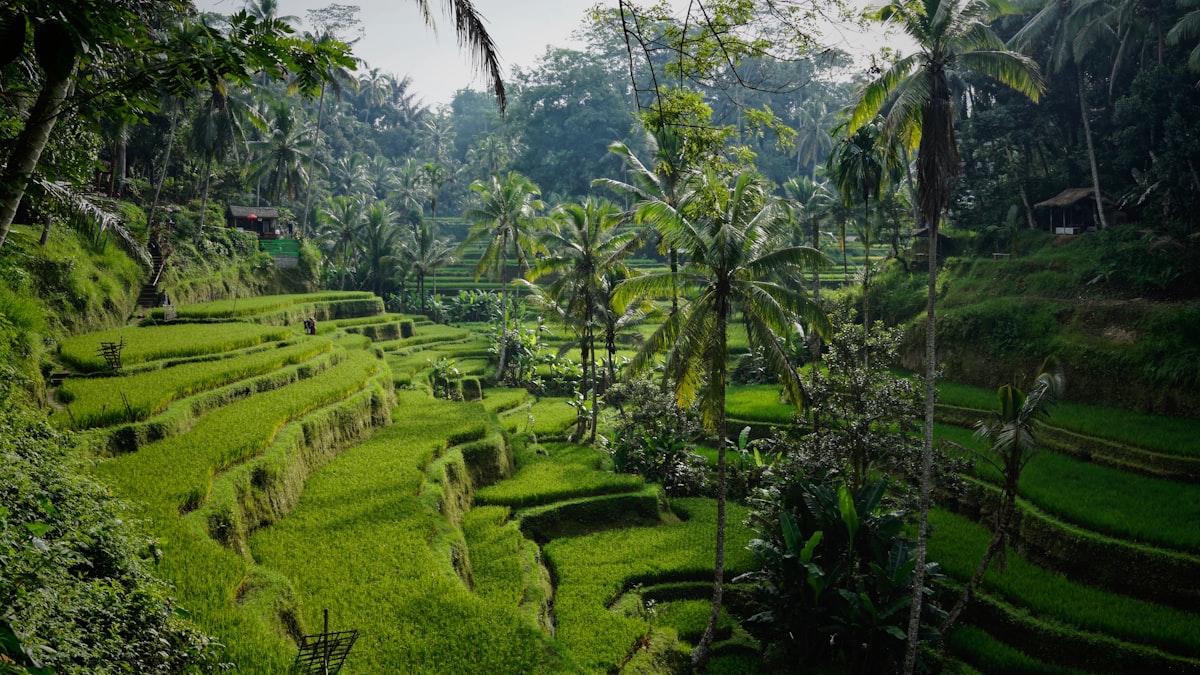
- Mountain roads, rice fields, caves and long coastal journeys
- Energetic cities rather than resort towns
- More opportunities to travel overland between major stops
- A trip that feels busy, immersive and occasionally a little chaotic
For couples, solo travellers and backpackers, either works. Thailand makes it easier to retreat into holiday mode; Vietnam has a habit of pulling you into the street, usually because something is sizzling nearby.
Which is easier on your budget?
Vietnam generally makes it easier to maintain a lower daily spend, although both countries can suit careful travellers or comfortable holidays.
Local meals, simple guesthouses and overland travel in Vietnam often leave more room in the budget. Costs rise in major resort areas and when you add private tours, frequent flights or higher-end hotels, so Vietnam is not automatically economical in every circumstance.
Thailand's famous islands and beach resorts can require more planning if you are watching your spending. Boats, transfers and accommodation in heavily visited areas all add up. Northern cities and less resort-focused provinces often feel easier on the wallet than the best-known southern islands.
Your route matters as much as the country. A slow rail-and-bus journey through Vietnam may cost less overall than hopping between distant regions. In Thailand, staying longer in one island area can be kinder to your budget than repeatedly crossing between coasts.
Where are the better beaches and landscapes?
Thailand has the stronger choice for a classic island holiday, while Vietnam offers more varied scenery along a natural north-to-south route.
Thailand's Andaman coast and Gulf islands are known for limestone cliffs, sheltered bays and places built around beach holidays. Some islands have busy nightlife and extensive visitor facilities; others are quieter and require more effort to reach. Conditions differ between the two coasts, so check seasonal weather and local ferry information before fixing your route.
Vietnam's coast is long and varied, with beaches near cities such as Da Nang as well as island destinations including Phu Quoc and Con Dao. It is possible to combine beach days with food, history and city stops without making the entire trip about the coast.
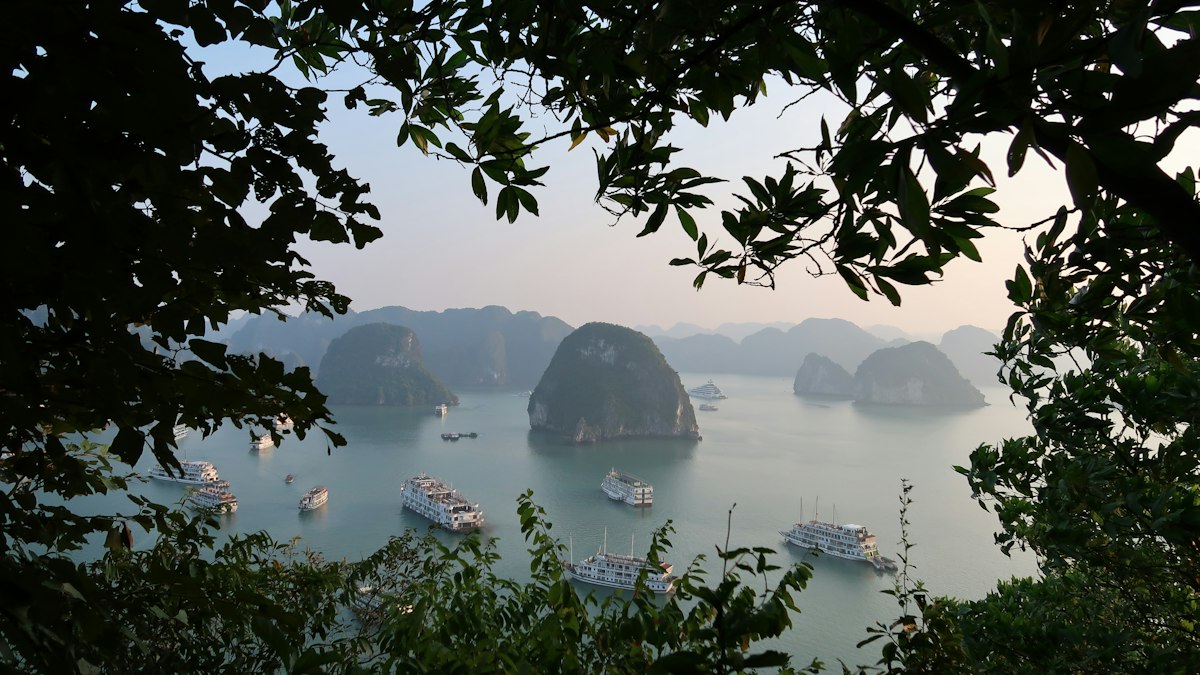
Away from the sea, Vietnam has a slight edge for a single scenic journey. The mountains around Ha Giang, the limestone landscape of Ninh Binh, the Mekong Delta and the caves of central Vietnam feel strikingly different from one another. Thailand counters with the northern mountains, national parks such as Khao Sok and lush inland landscapes that many beach-bound visitors overlook.
If your mental picture involves hammocks and island boats, choose Thailand. If it involves watching the landscape change through a train window, Vietnam is likely the better fit.
Which country is better for food and culture?
Vietnam is the stronger choice for travellers who want food to shape the route, while Thailand offers exceptionally accessible regional cooking alongside a highly visible temple culture.
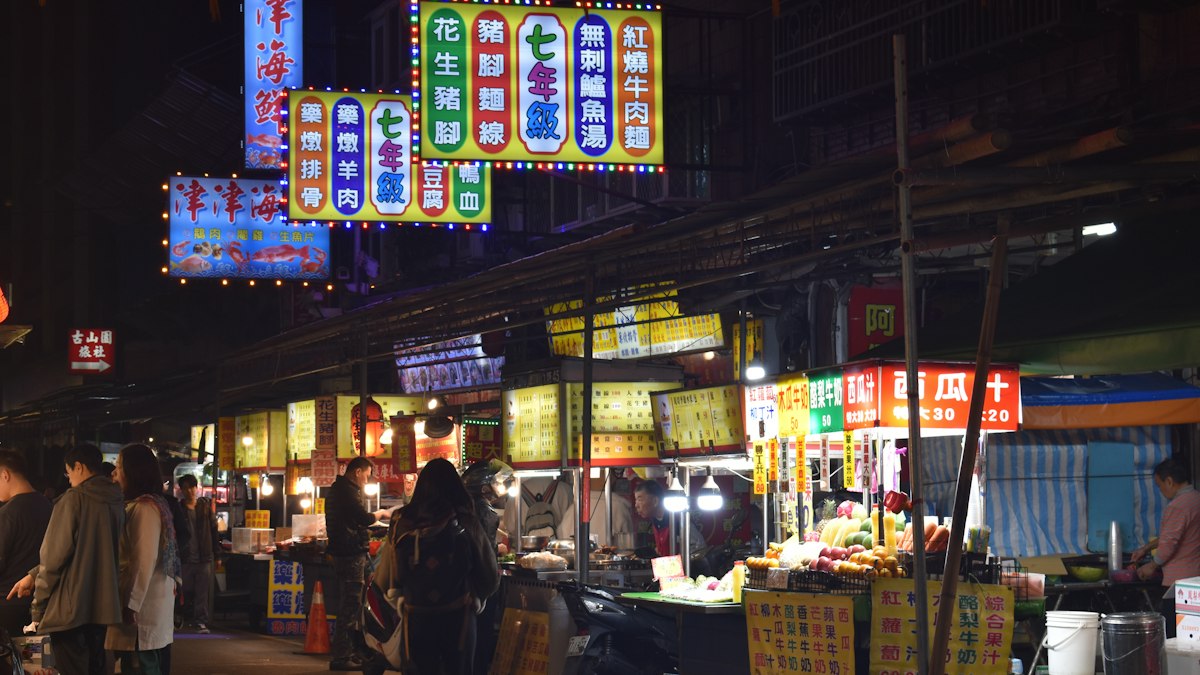
Vietnamese dishes change noticeably as you travel. Hanoi's food is not the same as what you will find in Hue or Ho Chi Minh City, and the pleasure lies in trying local specialities rather than chasing a single national menu. Pho and banh mi are only the opening paragraph. Markets, pavement stalls and modest family-run restaurants are central to the experience.
Thai food also varies by region. Northern dishes, southern curries and the cooking of the northeast can be quite different from the familiar selection found abroad. Tourist areas make ordering easy, though asking what is popular locally usually produces a more interesting meal.
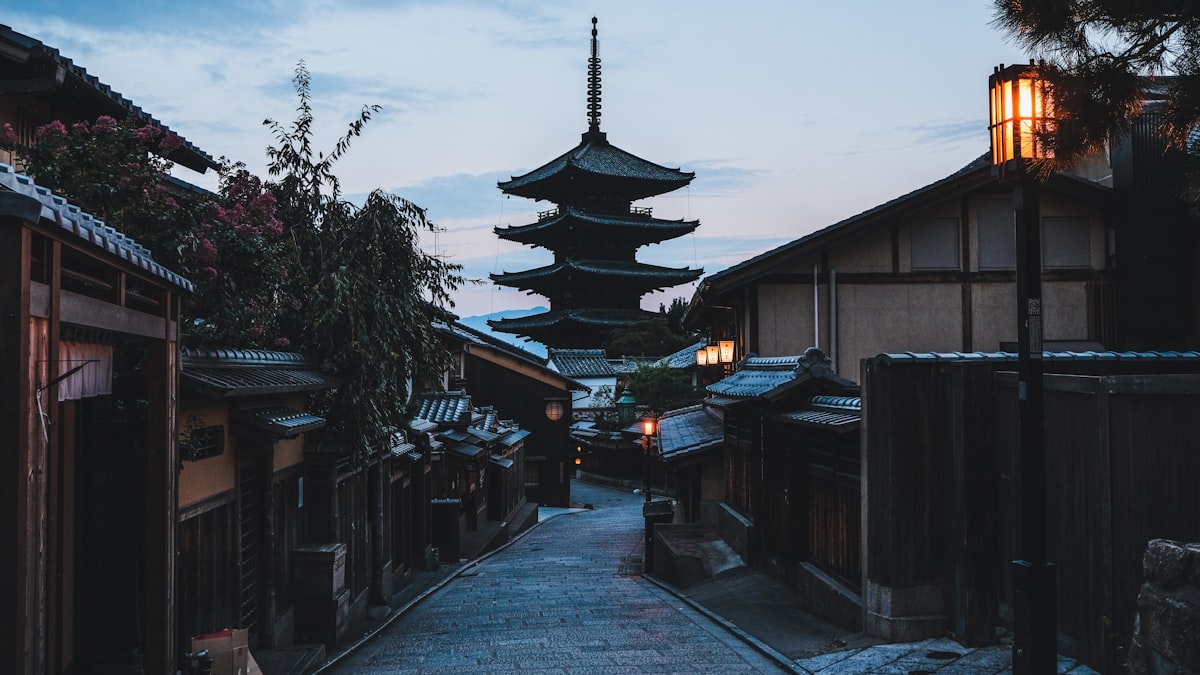
Culturally, Thailand's Buddhist temples, festivals and everyday rituals are immediately visible. Dress respectfully at religious sites, follow posted photography rules and be mindful that the monarchy is treated with deep seriousness.
Vietnam's cultural layers emerge through imperial sites, communal houses, pagodas, museums and architecture shaped by several historical periods. Recent history is present too, sometimes in places that are emotionally demanding rather than conventionally entertaining. Give those sites time and avoid treating them as backdrops for cheerful photos.
Which is easier to travel around?
Thailand is generally easier for a holiday built around established tourist stops, while Vietnam has the more satisfying continuous overland route.
Thailand has extensive links between Bangkok, northern cities and southern beach gateways, followed by ferries or local transfers to the islands. Vietnam's long shape makes route planning intuitive: many travellers move between Hanoi and Ho Chi Minh City, stopping in central destinations along the way. Trains can be memorable, but journey times may be long and timetables can change.
A practical way to choose your route is:
- Pick no more than three priority experiences, such as beaches, street food or mountain scenery.
- Mark them on a map and look at the actual travel time between each stop.
- Choose flights for major jumps and trains, buses or transfers where the journey adds something.
- Leave a buffer before an international departure, especially when boats, mountain roads or multiple connections are involved.
In both countries, ride-hailing apps are useful in larger cities, while taxis and local transport require a little more attention elsewhere. Use official booking channels where possible, confirm the destination before setting off and keep your accommodation address saved offline in the local script.
Is Thailand too touristy and Vietnam too hectic?
No, but both stereotypes contain enough truth to influence where you go.
Parts of Thailand are intensely visitor-focused. That can mean crowds and development, but it also means easier transfers, plentiful accommodation and staff accustomed to helping international travellers. Moving beyond the most famous islands and central districts reveals a much broader country.
Vietnam's traffic, noise and pavement activity can feel overwhelming during the first day in Hanoi or Ho Chi Minh City. The rhythm usually becomes easier once you stop expecting vehicles to behave as they do at home. Cross roads predictably, follow local pedestrians when uncertain and do not make sudden changes of direction.
Vietnam also has quiet places, from rural homestays to coastal towns. Thailand has frantic markets and dense city neighbourhoods. Your itinerary determines the atmosphere more than the flag does.
What about nightlife and mobile data?
Thailand has the broader nightlife range, while both countries usually make it straightforward to stay connected in cities and established tourist areas.
Bangkok and several Thai islands offer everything from night markets and small music venues to large clubs and beach parties. Vietnam's nightlife is more city-centred, with pavement drinking spots in Hanoi, rooftop bars in Ho Chi Minh City and a growing evening scene in Da Nang. Rules, venues and local conditions change, so check current information rather than building a trip around one famous party.
An eSIM can remove the need to find a physical SIM counter after landing, provided your phone supports eSIM and is network-unlocked. Before buying, check:
- Your exact phone model in the device settings or manufacturer's documentation
- Whether the handset is locked to your home network
- The provider's current network and coverage information
- Whether tethering is supported if you need to connect a laptop
- That you have saved installation details before departure
Coverage is usually strongest in cities and popular destinations, with more variable service on remote islands, mountain roads and inside national parks. Download maps, transport confirmations and your hotel address before heading somewhere isolated; limestone scenery is lovely, but not especially helpful when you have missed the last turn.
Stay connected wherever you travel
Instant eSIM data plans, wherever you're going. No physical SIM, no roaming surprises.