 MochiSim
August 17, 2026
What Is the Best Seven-Day Japan Itinerary?
For a first trip to Japan, spend three days in Tokyo, move to Kyoto for three days, and use one of those Kyoto days for Osaka. If possible, arrive in Tokyo and fly home from Kansai International Airport; that avoids spending your final day retracing the length of the country.
This route gives you neon city streets, major temples, excellent food and one fast intercity train ride without turning the week into a railway endurance test. You will still leave things unseen. Japan is rather good at encouraging a return visit.
What is the best route for a first week in Japan?
The most practical route is Tokyo to Kyoto, with Osaka as a day trip and an open-jaw flight itinerary if your airline offers one.
Tokyo is the easier place to absorb the initial sensory overload: enormous stations, vending machines for almost everything and neighbourhoods that feel like separate cities. Kyoto then slows the pace slightly, although its popular temple districts can be every bit as busy. Osaka is close enough to Kyoto for an easy day out without another hotel change.
Try to book accommodation near a useful station rather than a famous sight. In Tokyo, areas around Ueno, Shinjuku, Shibuya and Tokyo Station offer straightforward transport connections. In Kyoto, staying near Kyoto Station is convenient for trains and buses, while Gion and central Kyoto put you closer to evening walks and restaurants.
If you must fly into and out of Tokyo, return from Kyoto on the evening of day six and sleep near a convenient airport route. It is less romantic than squeezing in one more shrine, but considerably less stressful than watching the clock from a delayed train.
What should you do on each day?
Follow this seven-day plan as a framework, leaving room for jet lag, weather and the occasional station exit that deposits you on entirely the wrong side of a building.
Day one: Asakusa and an easy Tokyo evening. After checking in, visit Sensō-ji and walk through the older streets around Asakusa. Browse Kappabashi if you enjoy kitchenware, or walk towards the Sumida River if you need fresh air more than another shop. Eat nearby at a soba or tempura restaurant, choosing somewhere with a menu you can comfortably understand. Keep the evening short.
Day two: Meiji Jingu, Harajuku and Shibuya. Begin among the trees at Meiji Jingu, then walk through Harajuku before continuing towards Shibuya. Reserve an observation deck such as Shibuya Sky if that view matters to you. For dinner, explore a department-store food hall or book an izakaya in Shibuya. Food halls are particularly useful when a group cannot agree on what it wants, a situation known to occur on holidays.
Day three: Markets, museums and central Tokyo. Visit Tsukiji Outer Market early, but treat it as a working food district rather than a breakfast theme park. Alternatively, head to Ueno for the park and Tokyo National Museum. Continue to Ginza or the area around Tokyo Station. Tokyo Station’s ramen area offers several choices in one place; queues and participating shops can change, so check the current directory.
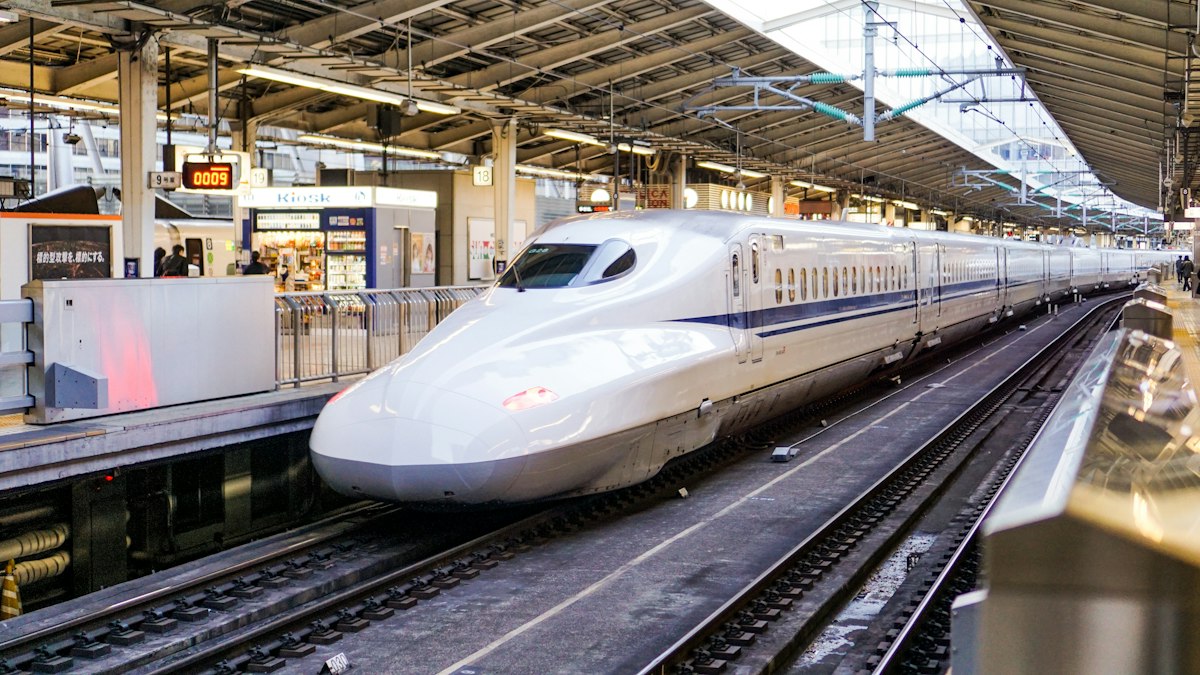
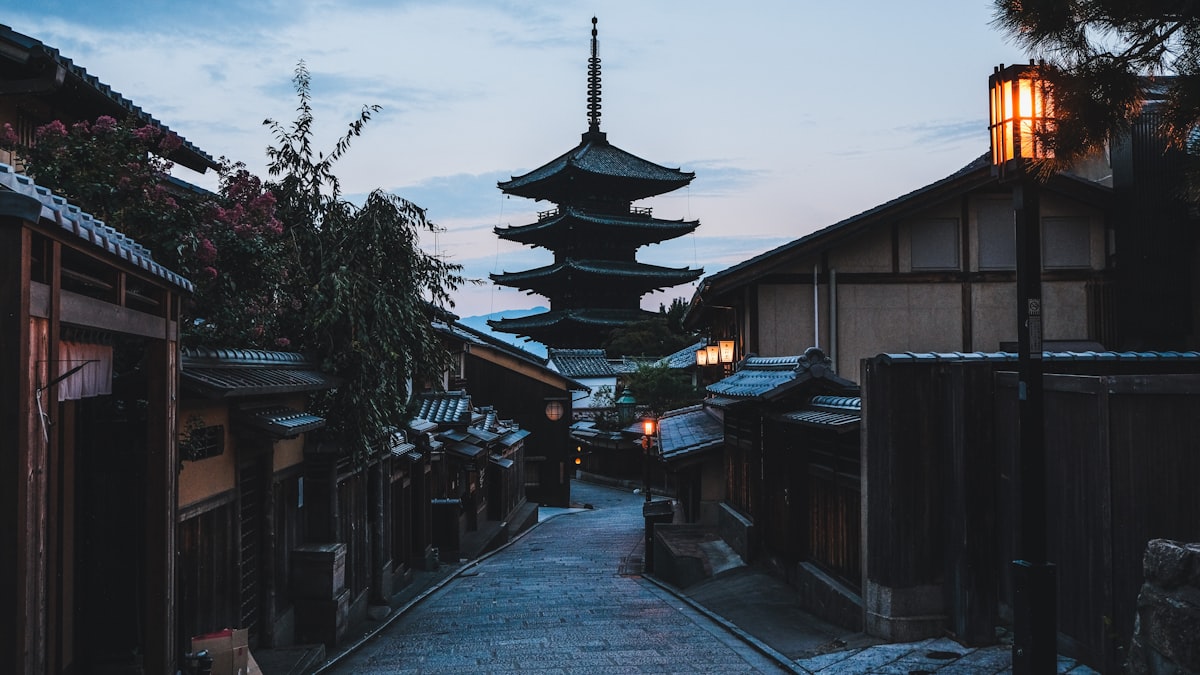
Day four: Travel to Kyoto and explore Fushimi Inari. Take a morning shinkansen from Tokyo to Kyoto, leave your luggage and head to Fushimi Inari Taisha later in the afternoon. You do not need to climb the entire mountain to appreciate the torii-lined paths. In the evening, walk through Gion without blocking doorways or treating private lanes as a film set, then look for dinner around central Kyoto or Kyoto Station.
Day five: Eastern Kyoto. Start early at Kiyomizu-dera, then walk through the preserved lanes of Ninenzaka and Sannenzaka. Continue towards Kennin-ji and Gion, or cross into central Kyoto for Nishiki Market. For dinner, try a Kyoto speciality such as yudōfu, obanzai home-style dishes or seasonal noodles. Ask your hotel to help with reservations if the restaurant only accepts bookings in Japanese.
Day six: Take a day trip to Osaka. Begin around Osaka Castle Park, then continue to Kuromon Market or Namba. Spend the evening around Dōtonbori and try okonomiyaki or takoyaki from a busy, well-run shop. If temples and quieter streets appeal more than nightlife, replace Osaka with Nara and visit Tōdai-ji and Nara Park instead.
Day seven: Keep the schedule light. With a late flight from Kansai International Airport, choose one final Kyoto sight such as Sanjūsangen-dō or a short walk near your hotel. With an earlier departure, go directly to the airport. Confirm the route and train schedule the night before rather than trusting a plan saved several months ago.
How should you travel between Tokyo, Kyoto and Osaka?
Use local railways within the cities and the Tokaido shinkansen between Tokyo and Kyoto; Kyoto and Osaka are linked by several frequent rail routes.
Reserve a shinkansen seat if you want certainty, particularly during Japanese holiday periods or when travelling with companions who want to sit together. Oversized luggage can be subject to reservation rules on some services, so check the railway operator’s current guidance before reaching the platform with a suitcase the size of a garden shed.
A nationwide rail pass is not automatically the right choice for this short route. Compare your actual journeys with the current pass conditions on official railway websites. An IC transit card can simplify many local train, metro, bus and shop payments, although mobile versions and foreign payment cards do not work equally well on every phone. A physical card may be the less fiddly option.
Luggage forwarding can save you from carrying large bags through stations. Ask your hotel whether it can arrange the service, confirm the expected delivery date, and keep medication, documents and a change of clothes with you.
Which attractions and restaurants should you book?
Book the few places that matter most to you, then leave ordinary meals and neighbourhood wandering flexible.
Reservations are worth considering for:
- popular observation decks and timed-entry digital art exhibitions;
- museums with advance or lottery-style ticketing;
- special-occasion restaurants and small counters with limited seating;
- shinkansen seats during busy domestic travel periods;
- experiences such as tea ceremonies or guided food tours.
Use each attraction’s official website for current entry rules. For restaurants, Tabelog and Google Maps are useful for research, but recent reviews are more helpful than a single headline rating. Check whether a booking platform is authorised, and ask your accommodation for help when the reservation process requires a Japanese telephone number.
Do not schedule every meal. Some of the easiest first-trip options are ramen counters, station dining floors, department-store food halls and casual set-meal restaurants. Join a queue only if you genuinely want that restaurant; Japan has too much good cooking to spend an afternoon waiting for the place currently popular on social media.
How do you get connected after landing in Japan?
The simplest approach is to install an eSIM before departure, then activate its mobile data settings after landing at Narita, Haneda or Kansai airport.
Before buying or installing one, check that your phone supports eSIM, is unlocked and includes the exact model variant required by the provider. Compatibility can differ between models sold in different countries. Follow the provider’s installation instructions rather than deleting the eSIM if it does not connect immediately, since some profiles cannot simply be reinstalled.
A sensible arrival routine is:
- Install the eSIM while you still have reliable Wi-Fi at home.
- Save the installation and troubleshooting instructions offline.
- On landing, select the travel eSIM for mobile data.
- Enable data roaming for that line if the provider instructs you to.
- Turn off data roaming on your usual SIM to avoid accidental use.
- Wait for the phone to register, then restart it or select a network manually if the instructions recommend doing so.
Having data helps with train platforms, hotel messages and the inevitable search for the correct station exit. Actual connection depends on your device, settings, local network conditions and the plan you choose, so review the plan details before travelling.
Travelling to Japan?
- 3 GB per day · 1 day€5.90
- 3 GB per day · 3 days€7.90
- 1 GB per day · 7 days€8.10
Which travel apps are useful in Japan?
Download a small set of navigation, translation and booking apps before you fly, and save essential details offline.
Useful options include:
- Google Maps for walking directions, station exits and local business listings;
- Japan Travel by NAVITIME for comparing rail routes and checking which trains fit a particular ticket or pass;
- SmartEX for eligible Tokaido shinkansen bookings, subject to current registration and payment requirements;
- Google Translate for camera translation and downloaded Japanese language files;
- Tabelog for restaurant research, with the caveat that its rating culture may differ from platforms you use at home;
- your airline and accommodation apps for schedule changes and messages.
Take screenshots of your hotel address in both English and Japanese. Also save your passport details, insurance contacts and eSIM instructions somewhere secure that does not require mobile data.
Is seven days really enough for Japan?
Seven days is enough for a rewarding introduction, but not enough to cover Tokyo, Kyoto, Osaka, Hiroshima, Mount Fuji and every place that appeared in your recommendations feed.
Resist adding another distant city simply because the trains are fast. Travel still involves packing, checking out, navigating stations and finding the next hotel. Three bases in one week would make the itinerary feel rushed; two bases give you time to notice where you are.
Weather can also change the order of your plans. Use clear days for viewpoints and long walks, rainy periods for museums, covered shopping streets and leisurely meals. If your flight home leaves Tokyo, protect the final night by returning there on day six rather than relying on a long same-day transfer.
Travelling to Japan?
Get an eSIM with instant data and land already connected.
Stay connected wherever you travel
Instant eSIM data plans, wherever you're going. No physical SIM, no roaming surprises.