 MochiSim
August 23, 2026
What Should You Know Before Visiting Indonesia?
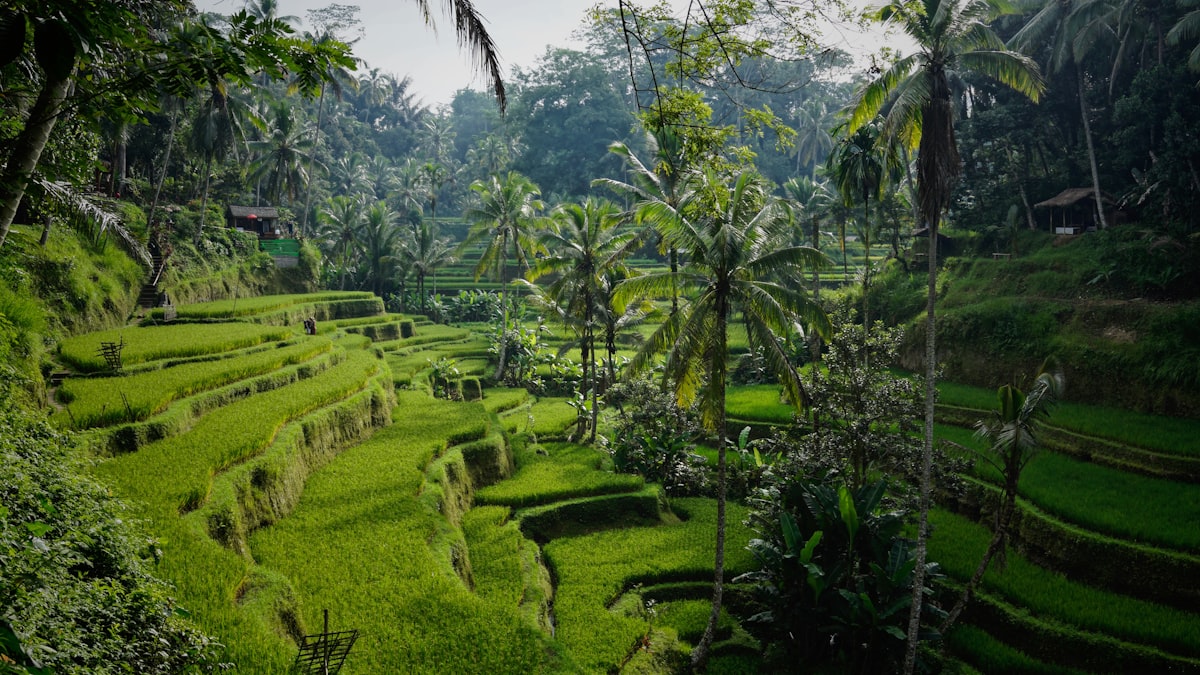
Indonesia is best approached as several trips rather than one enormous checklist. Choose one or two regions, confirm the latest entry requirements, leave room for weather delays, and arrange mobile data before arrival so maps and bookings are available when you need them.
The distances are easy to underestimate. Bali, Jakarta, Lombok and Yogyakarta may look like a neat set of pins on a map, but moving between them involves flights, ferries, trains or long road journeys. A slower itinerary usually means more time enjoying Indonesia and less time examining departure lounges.
Where should you go on your first trip?
For a first visit, combine destinations that match your interests rather than trying to cover the whole country.
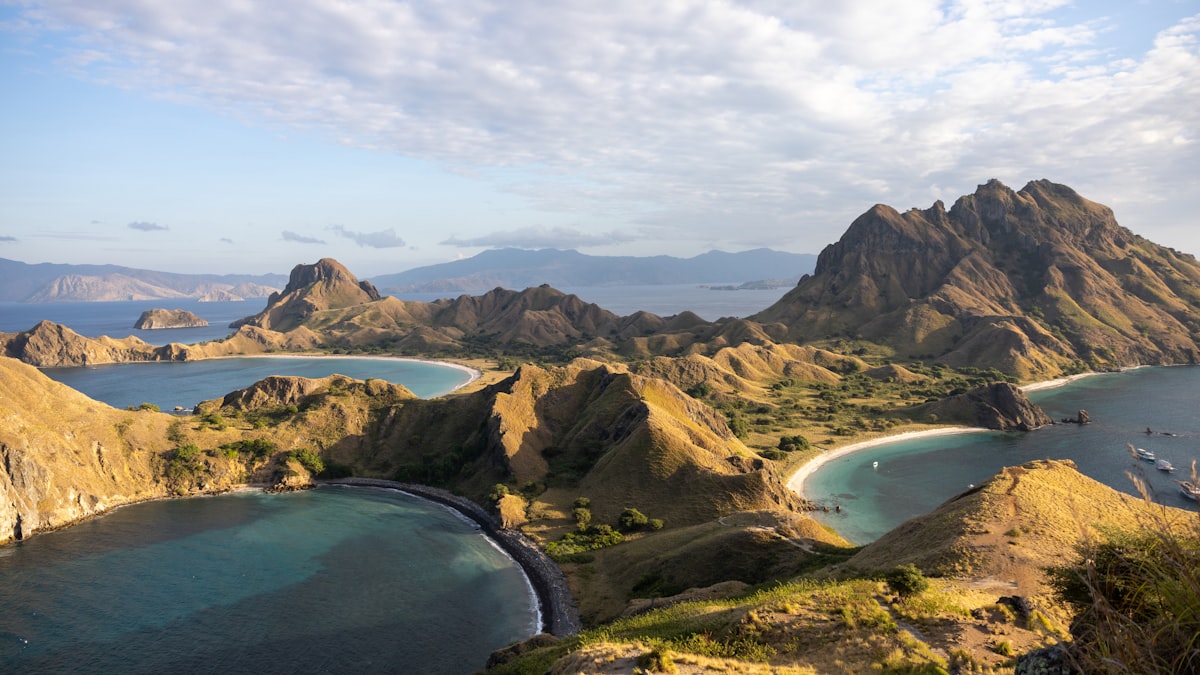
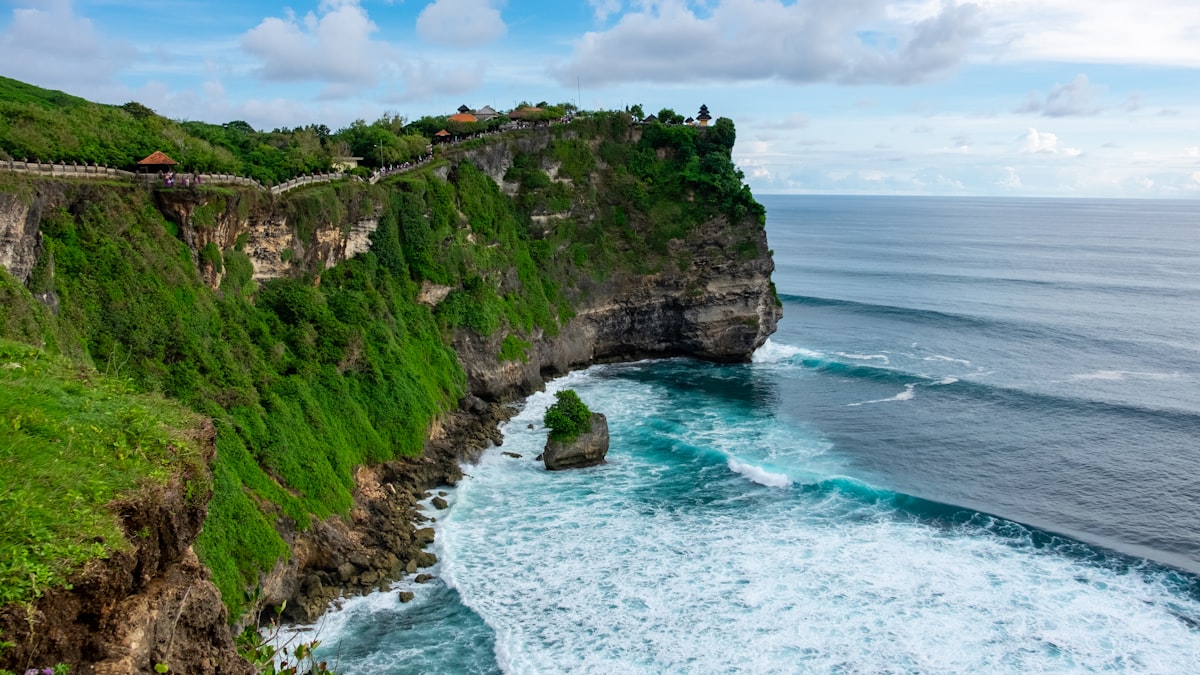
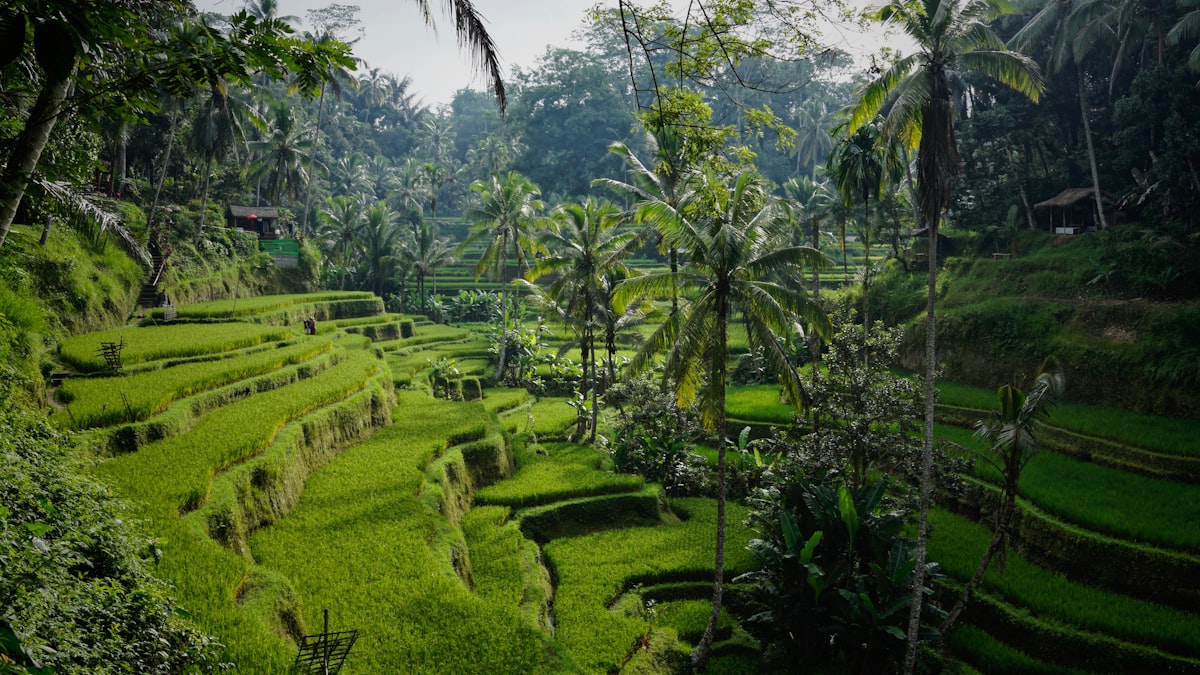
Bali offers beaches, temples, rice-growing landscapes, cafés and a well-developed visitor infrastructure. The south is busy and convenient, while inland areas around Ubud feel greener and more cultural, though hardly undiscovered. Northern and eastern Bali generally require more road time, so check journey estimates rather than judging distance alone.
Jakarta suits travellers interested in contemporary urban Indonesia, museums, shopping and food. It is a huge, intense city where traffic can reshape your day. Stay near the places you plan to visit or near useful public transport instead of choosing accommodation solely from a map.
Yogyakarta, often called Jogja, is a strong base for Javanese arts, traditional food and visits to Borobudur and Prambanan. Check current ticketing and access arrangements for major monuments before setting out, as visitor procedures can change.
Lombok has beaches, surf areas and access to mountain scenery, with a different atmosphere from neighbouring Bali. Travel around the island can take longer than expected, and facilities become more limited away from the main visitor areas.
A sensible first itinerary might pair Bali with Lombok, or Jakarta with Yogyakarta and another stop on Java. Adding every famous island creates an impressive spreadsheet, but not necessarily a good holiday.
What entry requirements should you check?
You should verify passport, visa, onward-travel and health requirements using official sources before departure.
Indonesia’s rules can depend on your nationality, reason for travel and intended length of stay. Do not rely on an old blog post or assume that a friend’s experience applies to your passport. Check the Indonesian immigration authority, your nearest Indonesian embassy or consulate, and your airline shortly before travelling.
Confirm the following:
- Your passport meets the current validity and blank-page requirements.
- You have the correct visa or permission for tourism, remote work or any other planned activity.
- You can show onward or return travel if required.
- You have completed any current arrival or customs declarations.
- Your medicines are legal to bring in and remain in their original packaging.
- You meet current vaccination or health-document rules for your route.
Travel insurance is worth arranging with your actual activities in mind. Standard policies may exclude scooter riding, diving, trekking or volcanic areas unless specific conditions are met. Read the exclusions before doing the interesting bit, not afterwards from a clinic waiting room.
When is the best time to visit Indonesia?
The best time depends on the islands you are visiting, because Indonesia does not follow one perfectly uniform weather pattern.
Many popular destinations around Java, Bali and Lombok tend to have a relatively drier part of the year and a wetter period, but tropical rain can arrive in any month. Other regions follow different patterns. Check local climate information for each stop rather than using a national forecast as your packing list.
The wetter season does not automatically make a trip a mistake. Rain often comes in heavy bursts, landscapes look lush, and plans can continue if you stay flexible. It can also disrupt boats, hikes and road journeys. Build spare time around any flight or ferry that connects with an international departure.
Pack light, breathable clothing, sun protection and a compact waterproof layer. A dry bag or waterproof pouch is useful for boat journeys and sudden downpours. Higher areas can feel surprisingly cool, particularly early in the morning, so bring one warmer layer if your itinerary includes mountains or sunrise outings.
How do you travel between islands and cities?
Use flights for large distances, trains where they suit your route on Java, and ferries or road transport for shorter regional connections.
Domestic flights link major cities and islands, but baggage rules vary by airline and ticket. Check what is included before packing. Ferries range from large public vessels to smaller fast boats; operators, departure points and safety standards differ, so seek recent information and avoid travelling when conditions look doubtful.
Java’s rail network is useful for routes between major cities. Tickets and seat availability can change around holidays, so booking ahead is sensible when your dates are fixed. Coaches and shared vehicles reach many places not served by rail, although journey times are vulnerable to traffic.
Within cities and resort areas, you may find taxis, ride-hailing services, local drivers and public transport. Confirm the pickup point and payment method in the app or with the driver. Jakarta has useful urban transit, while Bali and Lombok often require more road travel.
Scooters are common, but familiarity with quiet roads at home is not preparation for dense traffic, rain and unfamiliar road habits. If you plan to ride, check licence requirements, wear a proper helmet, confirm your insurance covers it and inspect the vehicle. Otherwise, use a driver or taxi without feeling you have somehow failed at travelling.
What should you know about local culture and food?
Dress and behave respectfully at religious sites, follow local instructions, and remember that customs vary considerably between islands.
Indonesia is culturally and religiously diverse. Modest clothing is appropriate at many temples, mosques and community sites, and some places provide or require a sarong. Remove shoes when asked, avoid climbing on sacred structures, and request permission before photographing people or ceremonies. During religious observances, services and alcohol availability may be limited in some areas.
Learning a few Indonesian words helps. A greeting, please and thank you are small efforts that make everyday exchanges warmer. English is common in many visitor-facing businesses, but not universal, particularly outside tourism centres.
Food is one of the best reasons to slow down. Look for nasi goreng, gado-gado, rendang, sate, tempeh dishes and regional specialities. Sambal can range from gently lively to an event you remember for the rest of the afternoon. If you have allergies, carry a clearly translated explanation and confirm ingredients rather than relying on a dish name.
Avoid drinking untreated tap water. Use sealed or properly filtered water, including for brushing your teeth if local guidance recommends it. At food stalls, freshly cooked dishes and a steady stream of local customers are useful signs, though never absolute guarantees.
How can you stay safe without overspending?
Plan for transport, insurance and unexpected changes first, then adjust accommodation and activities to suit your budget.
Inter-island travel can consume both time and a substantial part of your trip funds. Group nearby sights together, compare the full journey rather than one ticket, and check whether baggage, harbour transfers or station transport are included. Keep a reserve for a missed connection, weather disruption or an extra night.
Cards are accepted in many hotels and larger businesses, but smaller shops, markets and rural areas may rely on cash. Use ATMs in secure, well-lit locations, ideally attached to a bank, and carry more than one payment method. Keep cash and cards in separate places.
For everyday safety:
- Protect your phone and bag in crowded areas and beside busy roads.
- Use registered transport or reputable booking services.
- Do not leave drinks unattended.
- Check official alerts before visiting volcanoes, beaches or trekking areas.
- Know the evacuation route if staying in a coastal hazard zone.
- Save your insurer, accommodation and embassy contact details offline.
- Use mosquito repellent and take heat, dehydration and sun exposure seriously.
Indonesia is in an earthquake- and volcano-prone region. Alarms and temporary closures should be treated as instructions, not obstacles to negotiate for a better photograph.
Do you really need mobile data in Indonesia?
You can travel without constant mobile data, but having it makes navigation, transport pickups, translation and last-minute changes considerably easier.
Public Wi-Fi may be available at accommodation and cafés, but it is not something to depend on while finding a driver outside an unfamiliar terminal. Mobile data also helps with digital boarding information, weather checks, messaging your host and showing a destination when pronunciation has abandoned you.
Travelling to Indonesia?
- 1 GB per day · 3 days€5.90
- 3 GB per day · 1 day€6
- 1 GB per day · 7 days€6.90
Before choosing an eSIM, check that your exact phone model supports eSIM, that the device is unlocked, and that the plan’s network and features match your route. Coverage and performance vary by island, terrain, network congestion and local infrastructure. Check the provider’s current coverage information and ask remote accommodation hosts what usually works nearby.
Set yourself up in this order:
- Check eSIM support in your phone settings and on the manufacturer’s specifications page.
- Confirm with your mobile operator that the phone is network-unlocked.
- Read the eSIM activation instructions, including when validity begins and whether data roaming must be enabled.
- Install the eSIM before departure while you have reliable Wi-Fi, unless the instructions say otherwise.
- Save the installation details and support information offline.
- Download offline maps for each destination as a backup.
- On arrival, select the eSIM for mobile data and check that your usual SIM is not using chargeable roaming.
Many travel eSIMs provide data rather than a conventional local phone number, so check before relying on one for ordinary calls or text messages. Messaging apps usually cover day-to-day communication, while offline maps remain the quiet hero when the signal disappears halfway to a beach or mountain trail.
Travelling to Indonesia?
Get an eSIM with instant data and land already connected.
Stay connected wherever you travel
Instant eSIM data plans, wherever you're going. No physical SIM, no roaming surprises.