 MochiSim
August 1, 2026
What Should You Know Before Visiting Taiwan?
Taiwan is straightforward to explore once you understand its transport, weather and cash-friendly food culture. Start in Taipei, use the railway for longer journeys, leave room for at least one nature stop, and keep mobile data or offline maps ready for station exits and translated menus. The main challenge is resisting the urge to fit the whole island into one breathless week.
Where should you go on a first trip to Taiwan?
Taipei is the easiest starting point, but your trip becomes more rewarding when you pair the capital with another region rather than treating Taiwan as a single-city break.
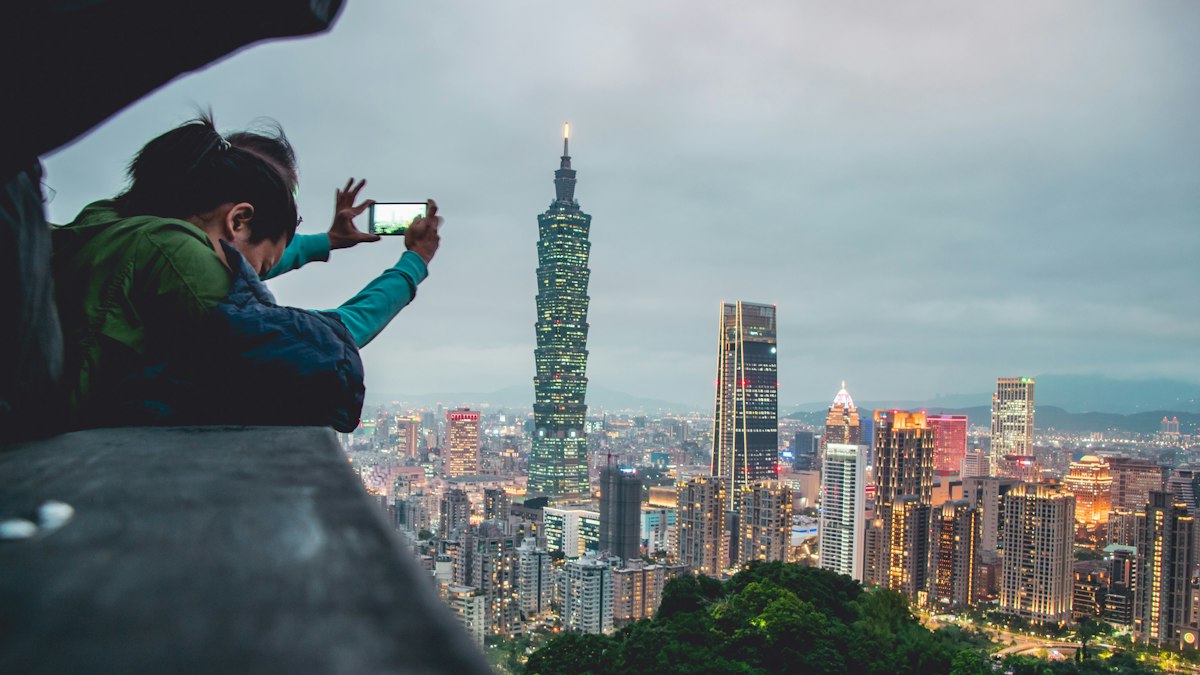
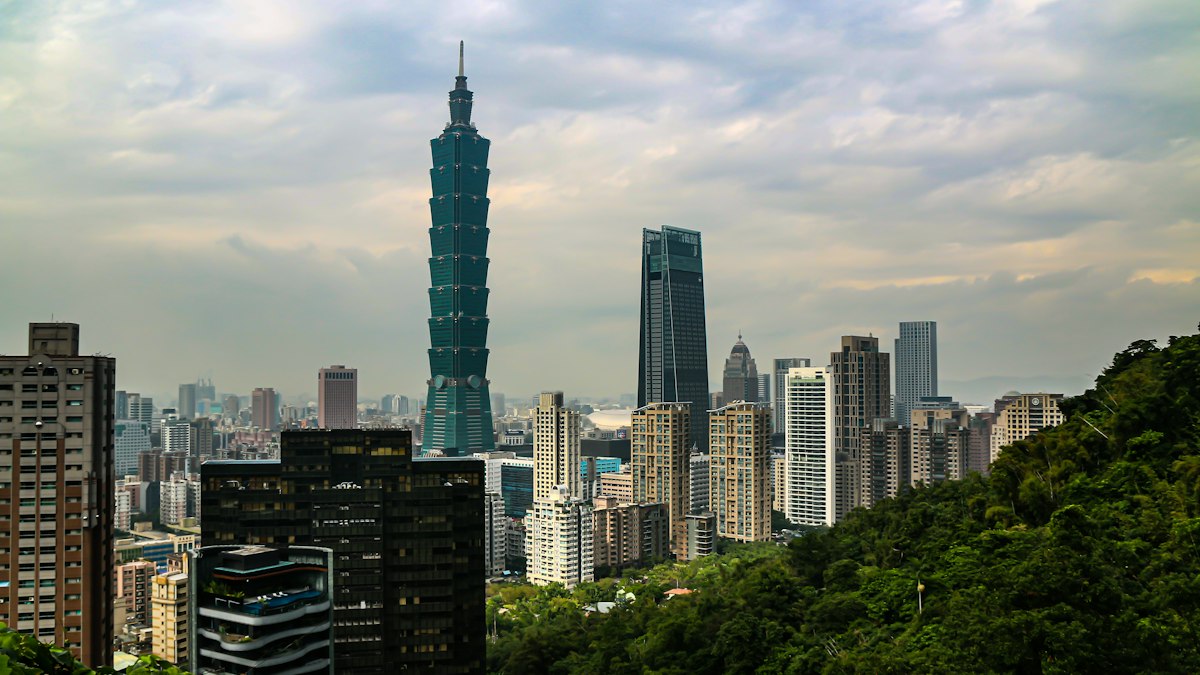
In Taipei, allow time for neighbourhoods as well as landmarks. Wander around Dadaocheng and Dihua Street, see the temples and food stalls of Wanhua, and look across the city from the trails around Elephant Mountain. Taipei 101 is the obvious reference point, but some of the best moments happen at street level: breakfast shops opening their shutters, scooters gathering at a junction and someone carrying an improbably tall stack of takeaway drinks.
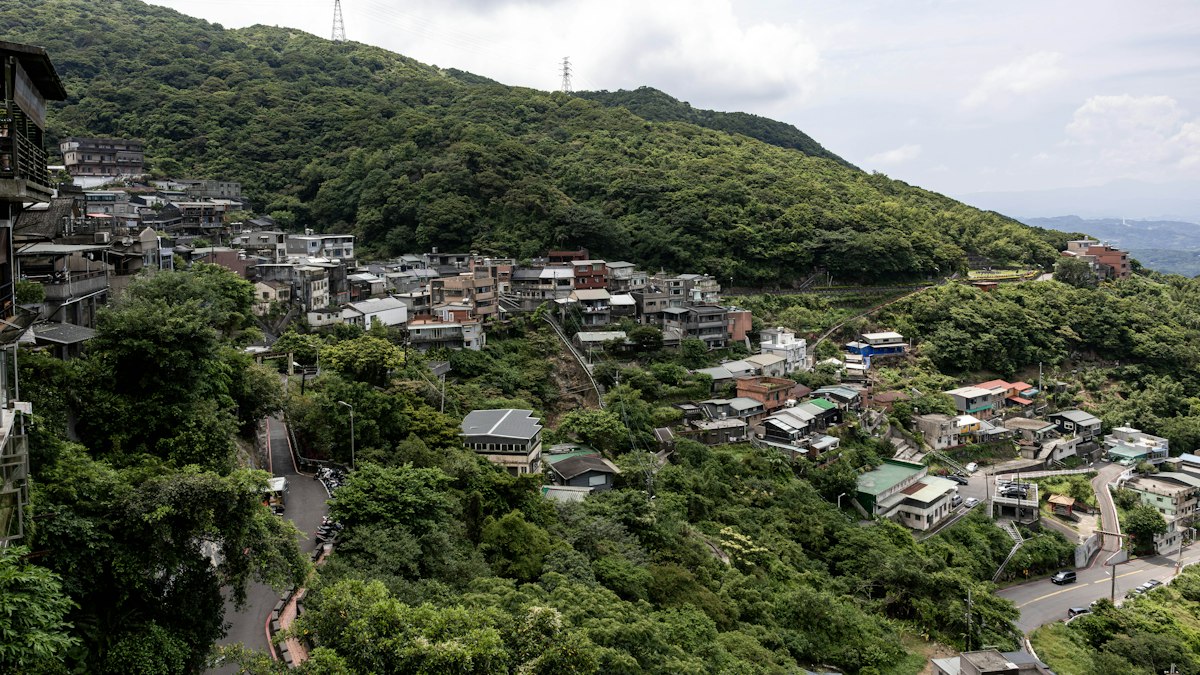
From Taipei, popular day trips include the hot-spring area of Beitou, the port city of Keelung and the old streets around Jiufen. Jiufen can become crowded, so an early start or an overnight stay makes it easier to appreciate the hillside lanes after many day visitors have left.
For a longer itinerary, choose one direction rather than zigzagging across the island:
- Central Taiwan: Taichung, Sun Moon Lake and the forests around Alishan.
- Southern Taiwan: Tainan for temples and food, followed by Kaohsiung and its waterfront districts.
- Eastern Taiwan: Hualien, Taitung and dramatic coastal scenery, subject to current road, rail and trail conditions.
- Offshore islands: Penghu, Kinmen and Green Island each need extra transport planning and enough flexibility for weather disruption.
How do you get around Taiwan?
Taiwan’s trains, metros and buses make car-free travel practical on many common routes, although rural areas require more patience and planning.
High-speed trains serve major destinations along the western side of the island. Conventional railway services connect a wider range of towns and continue around much of the coast. Check the official Taiwan High Speed Rail and Taiwan Railway websites or apps for current timetables, reservation rules and service notices. Holiday periods can be busy, so reserve important intercity journeys when bookings open.
Taipei and Kaohsiung have metro systems, while other cities use combinations of metro, local rail and buses. Stored-value cards such as EasyCard and iPASS are commonly used for public transport and some everyday purchases, but acceptance varies by operator and location.
A few practical habits help:
- Save your accommodation address in Chinese for taxi drivers.
- Check the station name and exit number before going underground.
- Allow transfer time at large stations, where platforms may be in separate buildings.
- Download route details before travelling into mountain or coastal areas.
- Confirm the final bus back; rural services may be infrequent.
Driving gives you flexibility in remote areas, but city traffic, limited parking and mountain roads can make it more tiring than expected. Taiwan drives on the right. If you plan to rent a vehicle or scooter, confirm the current licence requirements, insurance terms and weather conditions with the rental company before committing.
What should you eat at night markets?
Night markets are ideal for tasting several Taiwanese dishes in one evening, provided you arrive hungry and avoid ordering a full portion at the first stall.
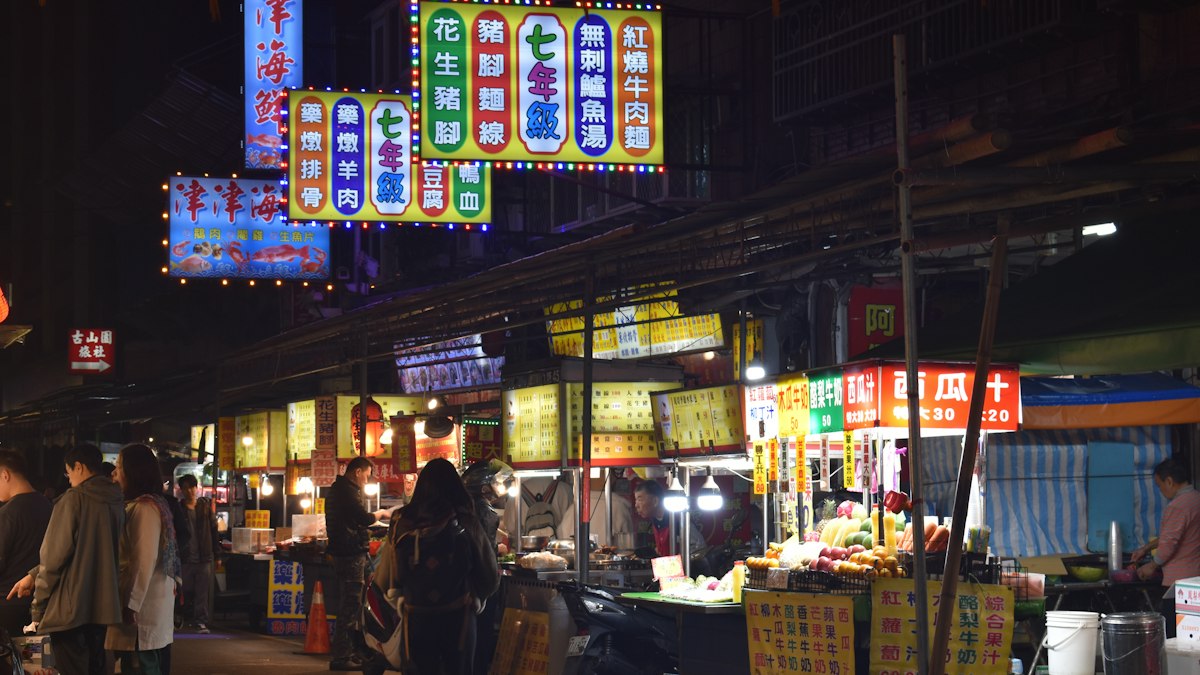
Look for beef noodle soup, braised pork rice, oyster omelettes, gua bao, scallion pancakes and grilled squid. Stinky tofu announces itself well before you find the stall. Try it if you are curious; nobody will revoke your boarding pass if you decide the aroma was enough. Bubble tea began in Taiwan, but traditional tea shops are equally worth your attention.
Shilin and Raohe are well-known Taipei markets, though neighbourhood markets can feel less overwhelming. Keelung’s Miaokou market is particularly associated with seafood, while Tainan rewards travellers who build an itinerary around snacks rather than conventional meal times.
Many stalls favour cash and may not have an English menu. Pointing politely usually works, while Google Lens or another camera-translation tool helps with signs. Vegetarians can look for 素食, meaning vegetarian food, but should still clarify whether a dish contains egg, dairy, fish stock or lard according to their needs.
Queues are often a useful clue, though not infallible. Eat beside the stall when space is provided, return bowls as directed and hold on to rubbish until you find the correct bin.
Which natural places are worth the journey?
Taiwan’s mountains, forests and coastline deserve at least as much itinerary space as its cities.
Alishan is known for forest railways, high-elevation walks and changing mountain weather. Sun Moon Lake offers lakeside paths, boat connections and cycling routes, while Kenting combines beaches with a more tropical landscape. The east coast has some of the island’s most striking scenery, but journeys there are more exposed to landslides, earthquakes and severe weather.
Taroko Gorge has long been a major attraction near Hualien, yet access can change after earthquakes or repair work. Check official park and transport notices shortly before travelling rather than relying on an old blog itinerary. The same applies to mountain trails: some require permits, and conditions at elevation can differ sharply from those in the nearest city.
For any outdoor day:
- Carry water, sun protection and a light rain layer.
- Wear shoes suitable for wet steps and uneven paths.
- Check trail closures and public transport back to town.
- Follow instructions during earthquakes and stay away from damaged slopes afterward.
- Tell someone your route if you are walking beyond a busy visitor area.
When is the weather best for Taiwan?
Spring and autumn often bring comfortable conditions, but Taiwan’s weather varies enough by region and elevation that no month is perfect everywhere.
Summers are generally hot and humid, with heavy rain and the possibility of typhoons. Winters tend to be milder, though northern Taiwan can feel cool, damp and surprisingly persistent about it. Southern areas are often warmer and drier in winter, while mountain destinations can become properly cold.
Pack for humidity and sudden showers rather than trusting a single island-wide forecast. A compact umbrella, breathable clothing and a layer for air-conditioned trains cover many situations. If you are travelling during a period of severe weather, follow Taiwan’s official Central Weather Administration and local authority notices. Transport operators may alter services even when conditions look calm from your hotel window.
How can you keep a Taiwan trip within budget?
You can control your Taiwan travel budget by booking key accommodation early, using public transport and deciding which long-distance journeys genuinely save you time.
Accommodation in Taipei and popular leisure destinations can become harder to find around weekends, festivals and public holidays. Build your route first, then secure the nights that would be awkward to replace. Elsewhere, keeping some flexibility may let you adjust for weather.
For daily spending, separate essentials from optional stops:
- Use local trains when speed is not important and high-speed rail when it meaningfully improves the itinerary.
- Mix restaurants with breakfast shops, food courts and night-market meals.
- Carry cash for small vendors, rural transport and older ticket machines.
- Track withdrawals and card transactions rather than assuming every small purchase is insignificant.
- Leave a contingency for weather-related route changes or an extra night near a transport hub.
Convenience stores are useful for drinks, simple meals, cash machines and practical supplies, but card acceptance and machine support can depend on your bank and card network. Keep more than one payment method available.
Do you really need mobile data in Taiwan?
You can travel without constant mobile data, but having it makes live transport checks, translation and finding the correct station exit noticeably easier.
Public Wi-Fi can help in some stations, hotels and cafés, but it is not a good plan for every bus stop or mountain connection. Offline maps provide a useful backup. Download the areas you need, save accommodation addresses in Chinese and take screenshots of tickets or reservation details.
Useful apps and tools include:
- Google Maps or another map app with offline areas.
- Google Translate, with Traditional Chinese downloaded for offline use.
- Official Taiwan Railway and high-speed rail tools for schedules and notices.
- A weather app using Central Weather Administration information.
- LINE if you need to communicate with local contacts or accommodation hosts.
Travelling to Taiwan?
- 1 GB per day · 3 days€6.10
- 3 GB per day · 1 day€6.20
- 3 GB per day · 3 days€7.40
Before using an eSIM, check that your phone is unlocked and supports eSIM in its settings or manufacturer documentation. Compatibility can differ even between versions of the same model.
- Confirm device compatibility and any carrier restrictions before departure.
- Save the installation QR code and instructions somewhere available offline.
- Install the eSIM over a stable internet connection, following the activation guidance supplied with it.
- On arrival, select the eSIM for mobile data and apply the stated roaming or APN settings.
- Turn off data roaming for your home SIM if you want to avoid accidental usage.
- If it does not connect, toggle aeroplane mode, restart the phone and check that network selection is set as instructed.
Network experience depends on your location, device and the local partner network. In remote valleys, offshore islands or mountain areas, keep tickets, maps and essential addresses saved offline even when your phone appears happily connected.
Travelling to Taiwan?
Get an eSIM with instant data and land already connected.
Stay connected wherever you travel
Instant eSIM data plans, wherever you're going. No physical SIM, no roaming surprises.