 MochiSim
October 5, 2026
How Do You Spend 4 Days in Tokyo as a First-Timer?
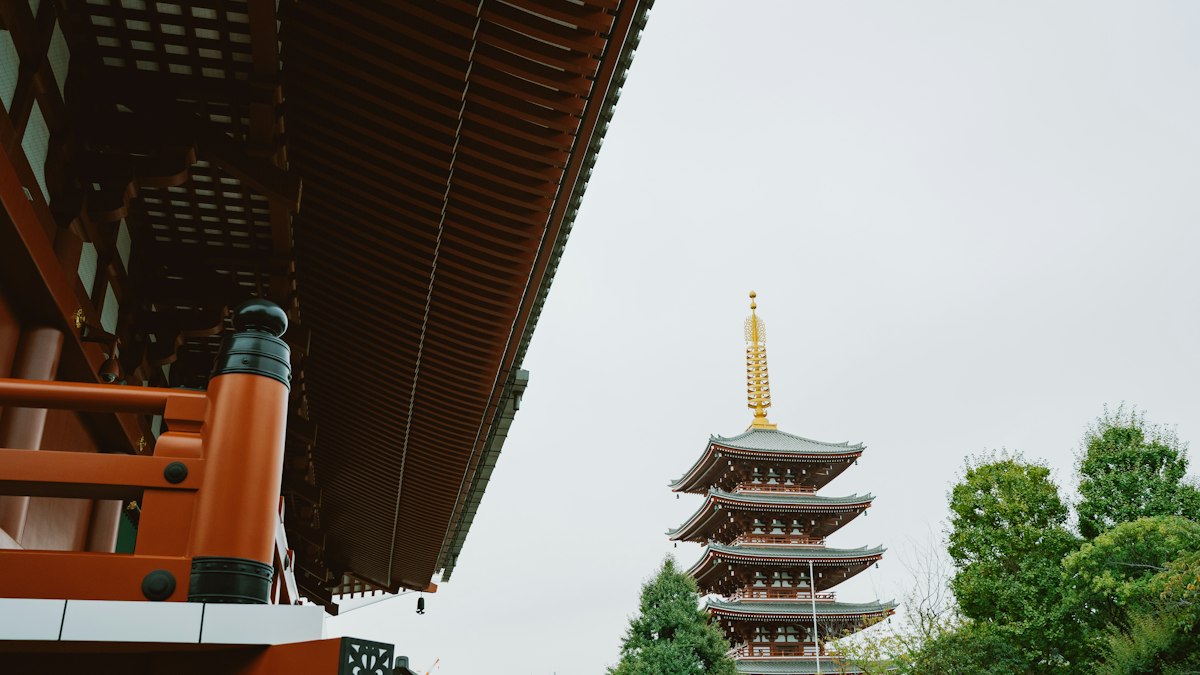
Four days in Tokyo works best when you group neighbourhoods by train line and do one area per half-day, rather than zigzagging across the map. The plan below runs from old Tokyo to neon Tokyo, finishes with teamLab and Akihabara, and shows where a day trip can replace a day in the city.
Tokyo is a collection of cities stitched together by trains, and most wasted time comes from crossing it twice in one day. Keep each day tight, accept that you will skip things, and book the few attractions that sell out.
Where should I base myself in Tokyo?
Pick a hotel within a short walk of a big station on the Yamanote Line loop, which links most first-timer sights. Shinjuku has the most transport options, including the Odakyu line to Hakone, plus endless food at night. Ueno and Asakusa are calmer and easier on the budget. Shibuya is lively but its station is a maze.
Whatever you choose, check the walk from the platform to the hotel door. A 10-minute walk with a suitcase through a huge station feels much longer than it sounds.
What should I do on day 1 around Asakusa and Ueno?
Start at Senso-ji in Asakusa early, before the lane of shops up to the temple fills. Walk the Nakamise street, then stroll along the Sumida River towards the view of Tokyo Skytree. After lunch, take the train to Ueno Park for its museums and the Ameyoko market, which is good for snacks.
This is the gentlest day, so use it to recover from the flight. Save your energy for the evening, when the area around Asakusa has plenty of small izakaya.
How do I do Shibuya and Harajuku on day 2?
Begin in Harajuku in the morning, when Meiji Jingu is quiet and the surrounding forest feels far from the city. Then walk down Takeshita Street for crepes and teenage fashion, and onwards to the quieter backstreets of Omotesando for architecture and coffee.
Head to Shibuya in the afternoon for the famous scramble crossing, which looks best from above. Shibuya Sky uses timed tickets, and tickets reportedly open two weeks ahead at midnight Japan time, with sunset slots going fast. Confirm the release time on the official site before you plan around it. Book a slot at least an hour before sunset so you see both daylight and the lights coming on.
How should I plan Shinjuku and Ginza on day 3?
Spend the morning in Ginza, which suits a slow start: department store food halls, stationery shops and a long coffee. If you want a market breakfast, visit the Tsukiji Outer Market nearby, but go early because it fills up.
In the afternoon take the train to Shinjuku. Walk through Shinjuku Gyoen if the weather is kind, then head up to the free observation decks at the Tokyo Metropolitan Government Building for city views. Finish the day in Omoide Yokocho and Golden Gai, the narrow lanes of tiny bars and grilled skewer stalls. Both are small, so expect to queue or squeeze in.
Is teamLab or Akihabara better for day 4?
You can do both if you split the day. Book teamLab Planets in Toyosu for the morning or early afternoon. It is a compact, mostly barefoot walk through water and mirrored rooms, and most visits take roughly 60 to 90 minutes. teamLab Borderless is a separate venue in Azabudai Hills, is larger, and takes two to three hours. Both use timed entry and can sell out weeks ahead on busy weekends, so reserve as soon as your dates are fixed through the official site.
After that, head to Akihabara for arcades, retro game stores and electronics. If the day feels full, drop Akihabara and add Odaiba for the waterfront instead.
Can I do a day trip from Tokyo, and when should I swap?
Yes, but each trip replaces a city day, so treat it as a swap rather than an add-on. Three options suit first-timers.
- Kamakura: temples, the Great Buddha and coastal walks, an easy half-day or full day by train.
- Nikko: shrines and mountain scenery, the longest journey of the three, so start early.
- Hakone: hot springs, lake cruises and volcanic scenery, with a transport pass built around it.
For Hakone, the Odakyu Hakone Freepass is sold as a 2-day or 3-day pass starting from Shinjuku. It covers the Odakyu round trip between Shinjuku and Odawara plus Hakone trains, cable car, ropeway, cruise and designated buses. It is not a 48-hour pass, as it expires after the last service on the following day. The Romancecar reserved-seat train needs a separate ticket, and sales open at 10am Japan time one month before departure. Check current details on the Odakyu site.
Also note that Tokyo rush hour is real. The weekday morning peak is roughly at about 7 to 9am, and the Yamanote Line gets busy on weekday evenings. You can ease it by starting after 9:30am, using quieter stations a short walk from the main hub, and letting a packed train go by. Women-only carriages operate on weekday mornings on Tokyo Metro and JR lines, so check the posted times at the station.
How do I stay connected in Tokyo with an eSIM?
Navigation, translation and ticket bookings all need data, and you will lean on maps constantly between stations. Before you travel, check three things on your phone:
- It supports eSIM.
- It is carrier unlocked.
- The software is up to date.
Travelling to Japan?
- 3 GB per day · 1 day€5.90
- 3 GB per day · 3 days€7.90
- 1 GB per day · 7 days€8.10
Install the eSIM on your phone before you fly, while you still have Wi-Fi, and switch it on when you land. MochiSim eSIMs are data only, with no phone number, so keep your home SIM active as the second line if you need SMS codes for banks or bookings, and set mobile data to the travel eSIM. That dual-SIM setup keeps your maps and messaging apps running through the day.
Travelling to Japan?
Get an eSIM with instant data and land already connected.
Stay connected wherever you travel
Instant eSIM data plans, wherever you're going. No physical SIM, no roaming surprises.