 MochiSim
October 4, 2026
Japan 14-Day Itinerary: Tokyo, Kyoto, Osaka and Beyond
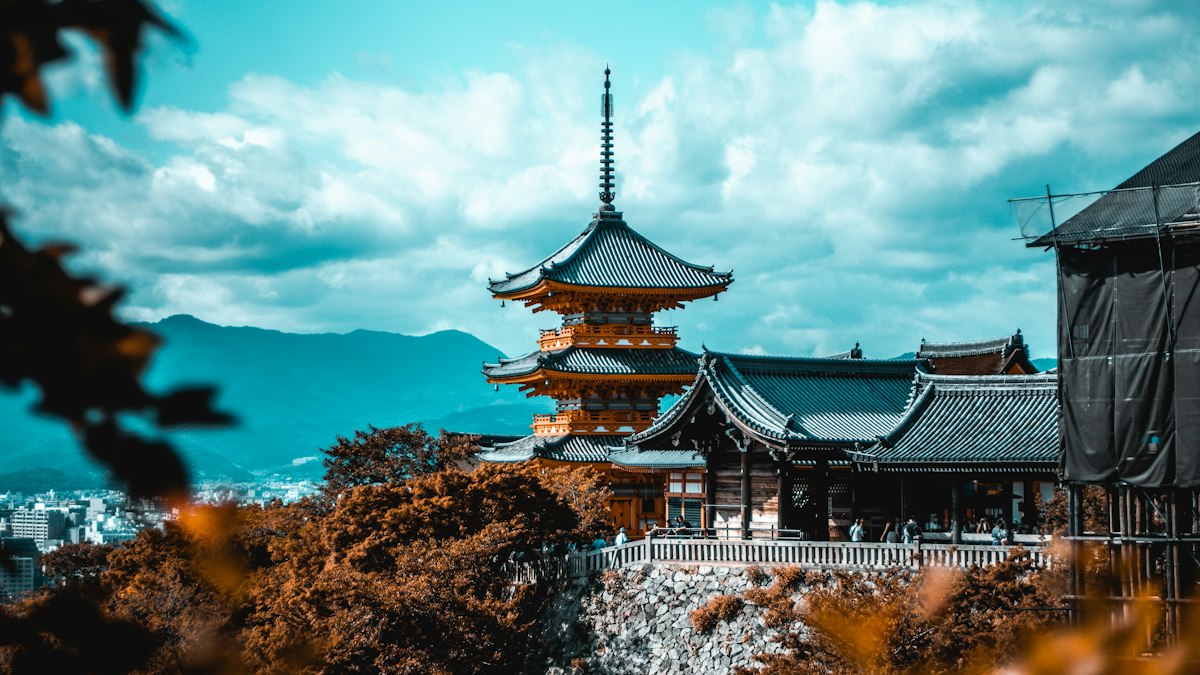
A good 14-day first trip to Japan runs west along the main shinkansen corridor: Tokyo first, a mountain or coastal detour, then Kyoto, Nara, Osaka, and Hiroshima with Miyajima at the end. Cut it into four bases rather than six and you will spend your holiday looking at things instead of repacking.
The route works because the big cities sit on one railway spine, so almost every move is a single, direct train. The trade-off is that Japan rewards slowness. Two nights is the minimum for any base, and a day with nothing planned is not wasted time.
How should I split 14 days between the cities?
Here is a pacing that holds up in practice:
- Days 1 to 5: Tokyo, with one day trip or a night in Hakone.
- Days 6 to 7: Takayama or Kanazawa, if you want a quieter, older Japan.
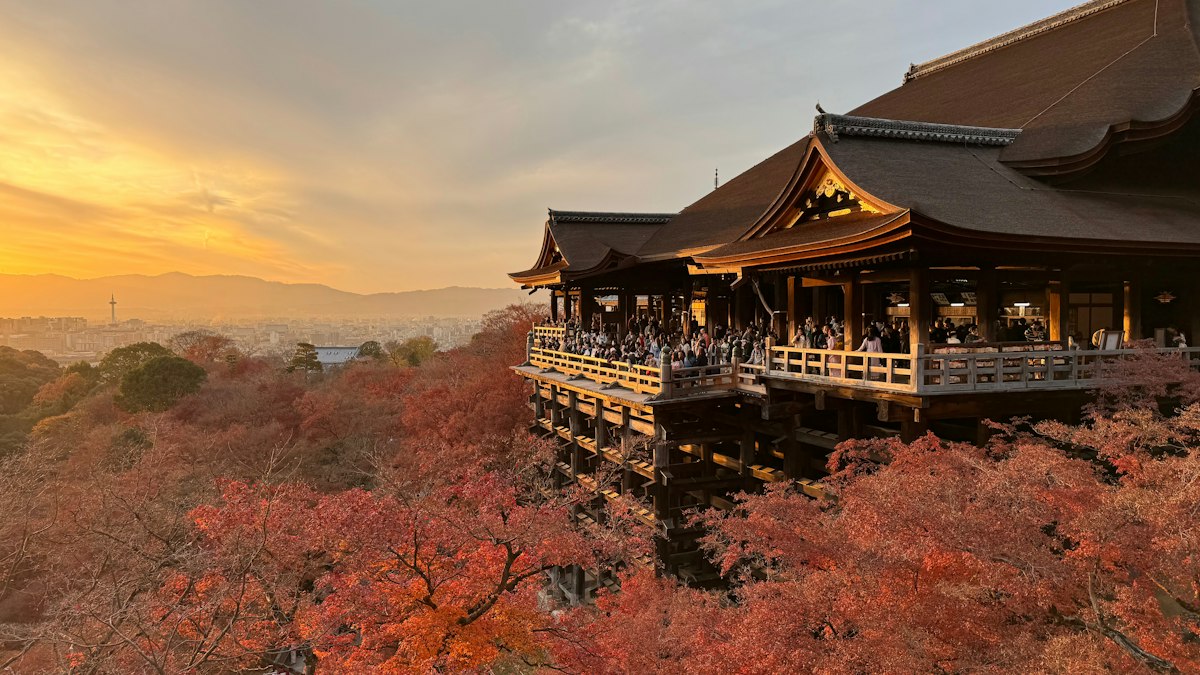
- Days 8 to 10: Kyoto, with Nara as a half-day trip.
- Days 11 to 12: Osaka, for food and nightlife.
- Days 13 to 14: Hiroshima and Miyajima, then travel home.
If you would rather skip the detour, give the extra two days to Kyoto. Arrival and departure days are mostly lost to jet lag and airports, so do not book anything fixed on them.
Is Hakone or Takayama and Kanazawa the better detour?
Pick one. Hakone is the easy option: a short hop from Tokyo, good for a night in a ryokan with an onsen and, weather permitting, a look at Mount Fuji. It suits people who want a break from cities without adding much transit.
Takayama and Kanazawa are for travellers who want preserved old streets, gardens and regional food. They cost more time, but Kanazawa links to Kyoto in a little over two hours: since the Hokuriku Shinkansen was extended to Tsuruga in March 2024 you ride the shinkansen from Kanazawa to Tsuruga and change there to the Thunderbird limited express for Kyoto, with timed connections on the same platform level. That makes it a natural bridge between Tokyo and the Kansai region instead of a dead-end side trip.
How long do the trains between cities take?
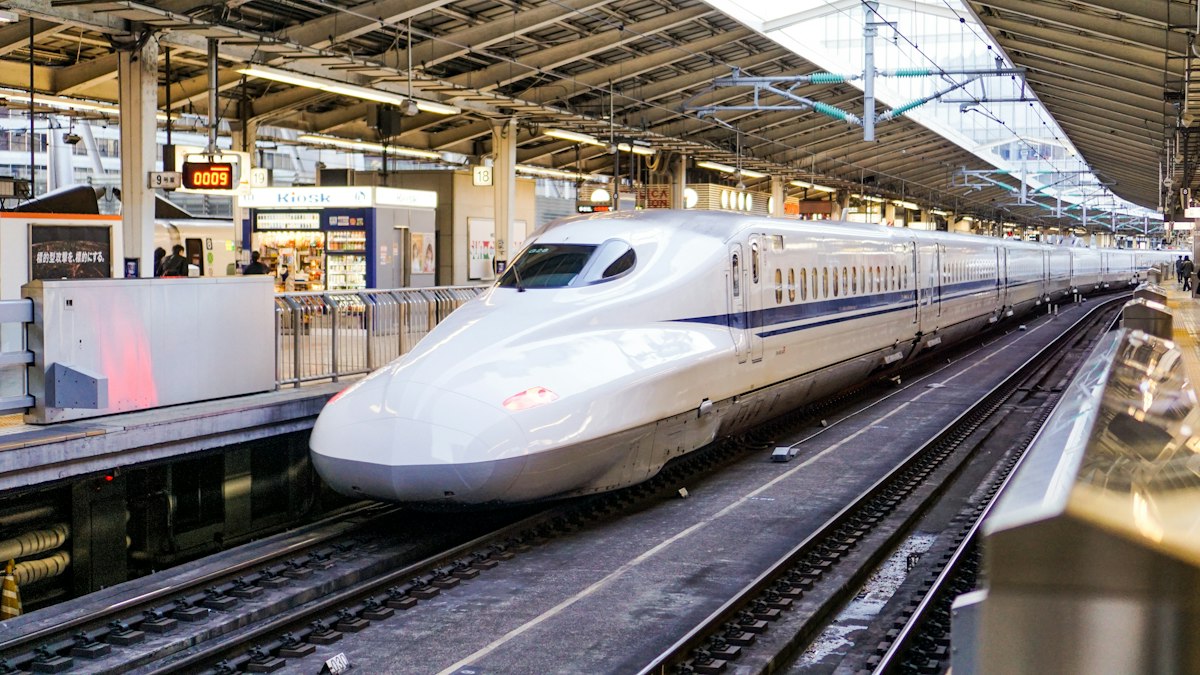
Official figures from Kyoto's tourist board give Tokyo to Kyoto at roughly two hours for the fastest trains and up to about three hours on slower ones. Kyoto to Shin-Osaka is about 15 minutes on the shinkansen. Hiroshima to Kyoto is roughly one and a half to two hours on the faster services, a little longer on the slower ones. Tokyo to Hiroshima in one go is close to four hours, which is why Hiroshima belongs at the end of the trip, not the start.
From Hiroshima, Miyajima is easy: a local JR train to Miyajimaguchi takes about 25 minutes, then a ferry of about 10 minutes crosses to the island. Check current timetables on the day, since services vary.
Is the JR Pass worth it for this route?
Do the sum yourself rather than trusting a rule of thumb. List every long train you plan: Tokyo to Kyoto, Kyoto to Hiroshima, Hiroshima back to Osaka or Tokyo, plus any detour. Then price each one as an individual ticket and compare the total with the pass for the period you need. For this route, the pass can make sense if you cover Tokyo to Hiroshima and back across the trip. It makes less sense if you stay mostly in Tokyo and Kyoto, or split the route into short hops.
Three details change the maths:
- The pass covers JR trains only, not subways, private railways or most city buses.
- The pass covers a fixed run of consecutive days, so a pass for the whole trip may cost more than one that only spans your long-distance days.
- The fastest Nozomi and Mizuho services are not included outright. Since October 2023, pass holders can ride them by buying a separate pass-only Nozomi Mizuho ticket for each journey, and seats on those tickets are limited. Confirm the current terms on the official Japan Rail Pass site, along with current prices and who is eligible to buy.
A pass also gives free seat reservations and covers the JR ferry to Miyajima. A good compromise is to buy single tickets for the first Tokyo days and use a pass only for the stretch where you move every day or two.
How much time do Nara and Osaka really need?
Nara is a half day, a full day at most: deer, big temples and a park you can walk across. Go from Kyoto in the morning and return for dinner. Staying overnight is rarely worth it on a first trip.
Osaka is for eating and evenings. Use it as a base for two nights and cover Dotonbori after dark. You can also visit Kyoto, Nara or Hiroshima from here, because they are all one train away.
What should I do on arrival and departure days?
Land with nothing booked. Choose a hotel near a station on the main line, because that saves your first tired hours. For departure, work backwards from the flight: Hiroshima to Tokyo or Osaka needs most of a day, so fly out of whichever airport is closest to where you end. An open-jaw ticket, arriving in Tokyo and leaving from Osaka, avoids doubling back and is worth pricing when you book flights.
Keep your luggage light. Carry one case on trains, and send larger bags ahead if your hotel offers a forwarding service. Check seat rules for oversize bags before travelling.
How do I stay online across 14 days and several cities?
Before you go, run through this phone checklist:
- Your phone supports eSIM.
- It is network unlocked.
- The software is up to date.
Travelling to Japan?
- 3 GB per day · 1 day€5.90
- 3 GB per day · 3 days€7.90
- 1 GB per day · 7 days€8.10
Install the eSIM before you fly, while you still have home Wi-Fi, and switch it on when you land so maps and train apps work at the arrivals hall. A MochiSim eSIM carries data only, with no phone number, so keep your home SIM active as the second line for bank texts and verification codes, and set mobile data to use the travel eSIM. Download offline maps for Kyoto and Nara anyway, since stations and old streets can be awkward for signal.
Travelling to Japan?
Get an eSIM with instant data and land already connected.
Stay connected wherever you travel
Instant eSIM data plans, wherever you're going. No physical SIM, no roaming surprises.