 MochiSim
October 6, 2026
When Is the Best Time to Visit Japan?
Late March to early April for cherry blossom and mid-October to early December for autumn colour are the classic answers, and autumn is generally seen as the most comfortable season overall. The catch is that both are popular, and Japan's holiday weeks can make any month busy and expensive. Your best time is really a trade-off between scenery, weather and crowds.
Japan stretches a long way north to south, so seasons do not arrive everywhere at once. Blossom starts in the south and moves north over several weeks, autumn leaves do the reverse, and the rainy season skips one island entirely. Plan around the region you will actually be in, not the country as a whole.
When does the cherry blossom bloom?
Forecasts from the Japan Weather Association put first bloom in the south in mid to late March. Recent forecast figures for Fukuoka and Kagoshima sat around 24 and 27 March, while Tokyo was forecast for about 19 March and Osaka for about 26 March. Further north it is later: Sendai around 31 March, Aomori in mid-April and Sapporo around 19 April, with the long-term average for Sapporo closer to the start of May.
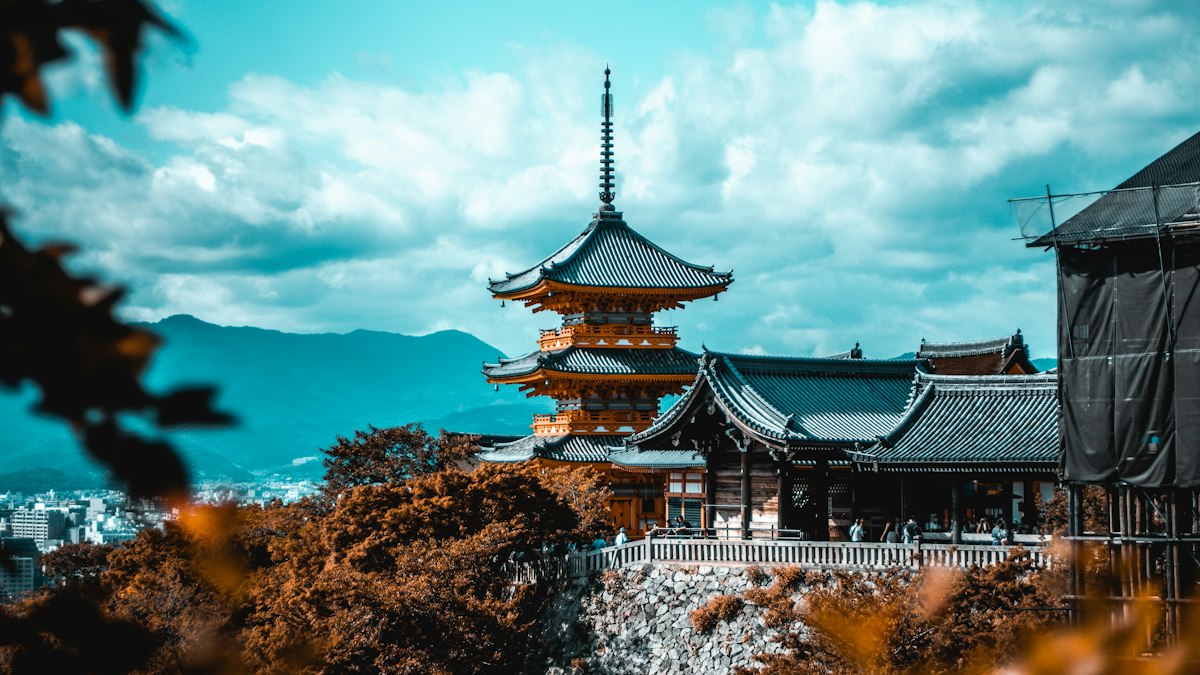
Those are first-bloom dates, not the peak. Full bloom typically arrives a little afterwards, and it changes every year with the weather, so treat any date as a window of a week or two either side. In Kyoto the flowers are generally described as running from late March to mid-April. If your dates are fixed, pick a base in the middle of the country and be ready to move a few hours north or south by train. Check the current forecast a few weeks before you fly.
When are the autumn colours at their best?
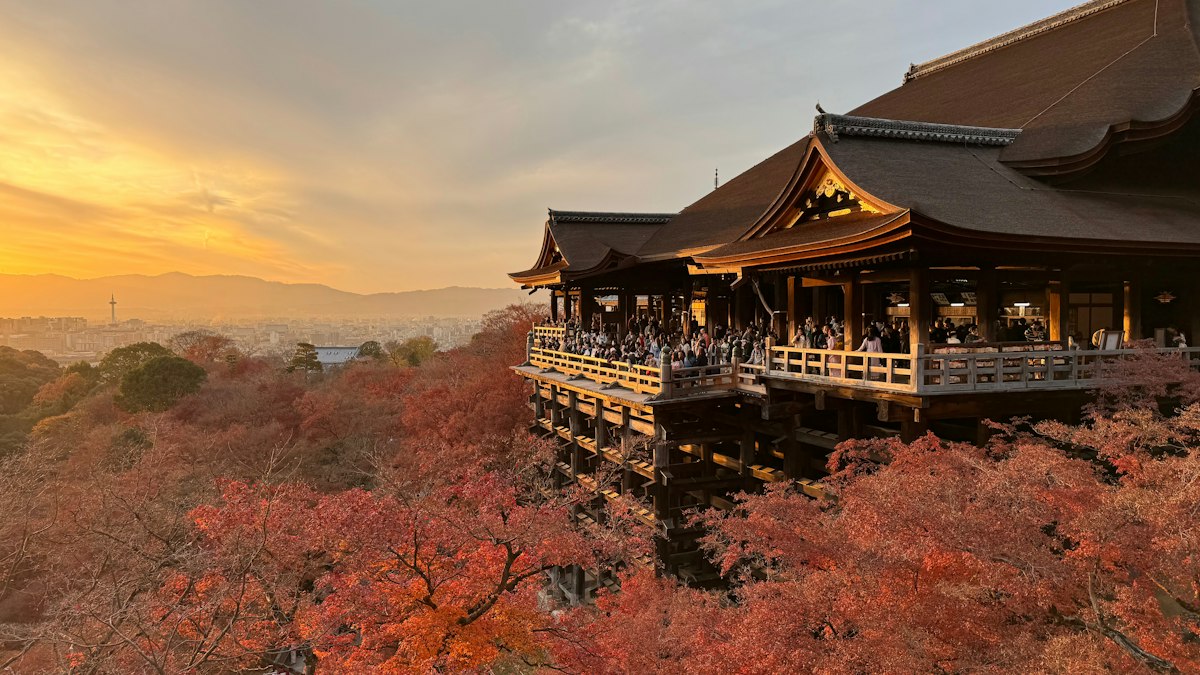
Autumn runs in the opposite direction. Leaves turn first in the north, with Hokkaido typically peaking in early to mid-October, and then work south. Kyoto is usually described as having colour from mid-October through to mid-December, which is a generous window. Tokyo and most of central Japan sit in the middle of that range, so late November is a safe bet for the big cities.
Autumn also has the friendliest weather: humidity drops, days are often warm and sunny, and rain is less likely than in summer. It is the season many people pick if they have no particular attachment to blossom.
What is the rainy season like, and is summer worth it?
The rainy season, known as tsuyu, generally starts at the beginning of June and ends in the first half of July across most of Japan. Okinawa starts earlier, in early May, and finishes by around mid-June. Hokkaido is the one region described as largely untouched. It rarely means rain all day, every day, but expect grey skies and humidity.
Summer itself is hot and sticky, and Tokyo can reach the high 30s Celsius. If you must travel then, Hokkaido is milder and suits hiking and other outdoor plans, while the beaches and watersports of the southern islands are the draw elsewhere.
When do typhoons and the main crowds hit?
Typhoon season peaks in August and September, with some risk stretching into October. Storms most often hit the coasts of Okinawa, Kyushu and Shikoku, and can bring strong wind and rain to wider areas for a couple of days. Build slack into your plans, avoid tight same-day connections, and follow the Japan Meteorological Agency for warnings.
For crowds, three periods stand out: Golden Week, Obon and the New Year break. Obon is centred on 13 to 15 August in many years, and domestic travel peaks around it. Cherry blossom season is busy simply because everyone wants the same fortnight.
What are the Golden Week dates in 2027, and what should I book early?
In 2027 the national holidays are Showa Day on Thursday 29 April, then Constitution Memorial Day, Greenery Day and Children's Day on Monday 3, Tuesday 4 and Wednesday 5 May. Many people take Friday 30 April off to make a long break. Departures from big cities peak around the start of it, and returns peak on 4 and 5 May. If you have to travel in that window, May 2, 3 and 6 are likely to be calmer for moving between cities. Confirm the dates against the official holiday calendar before you commit.
A short booking order that works well:
- Flights, ideally many months ahead for blossom and Golden Week.
- Hotels and ryokan in popular areas, which can be booked out well in advance.
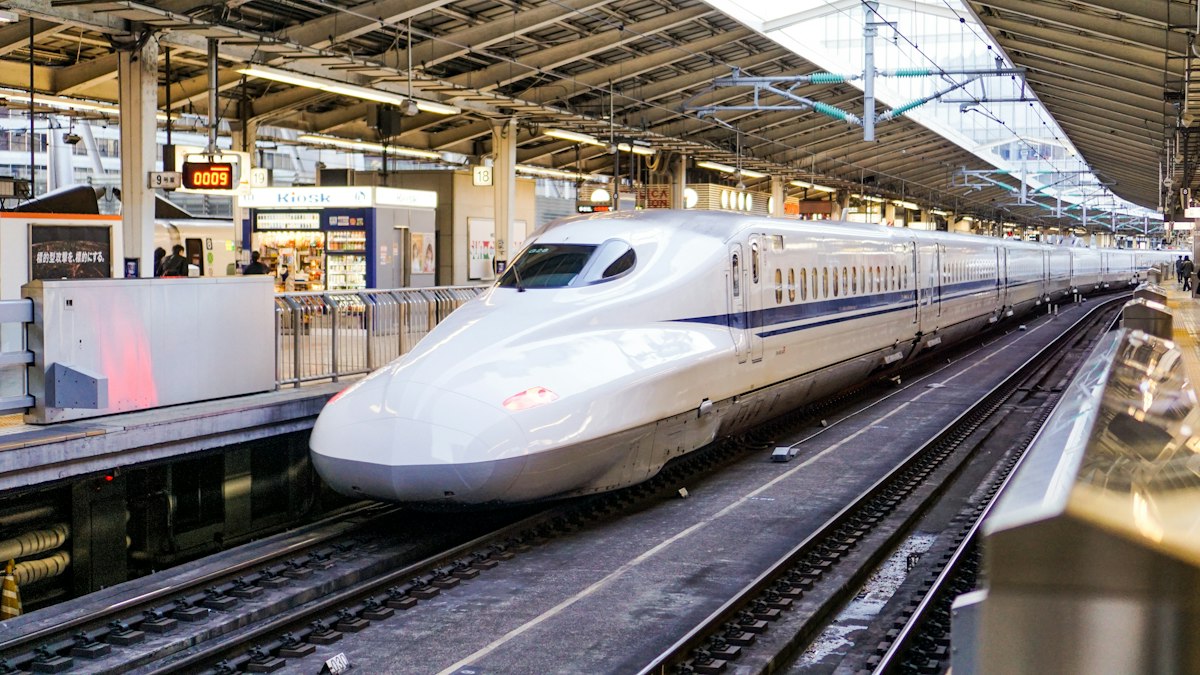
- Reserved shinkansen seats, once sales open with JR.
- Restaurants you really care about.
- A day in hand for your first choice of viewing spot, since weather moves the flowers.
How do I stay connected in Japan with an eSIM?
Before you go, run through a quick phone check:
- Your phone supports eSIM.
- It is unlocked, not tied to a single carrier.
- The software is up to date.
Travelling to Japan?
- 3 GB per day · 1 day€5.90
- 3 GB per day · 3 days€7.90
- 1 GB per day · 7 days€8.10
Install the eSIM at home on Wi-Fi so it is ready when you land, and switch it on as your mobile data line once you arrive. A MochiSim eSIM is data only, with no phone number, calls or SMS, so keep your home SIM active as the second line if you need text codes from your bank or other services. Set the travel eSIM for data and leave data roaming off on the home SIM to avoid surprises. That setup also covers maps, train timetables and forecast checks on the days the weather changes your plans.
Travelling to Japan?
Get an eSIM with instant data and land already connected.
Stay connected wherever you travel
Instant eSIM data plans, wherever you're going. No physical SIM, no roaming surprises.