 MochiSim
August 5, 2026
What Should You Know Before Visiting South Korea?
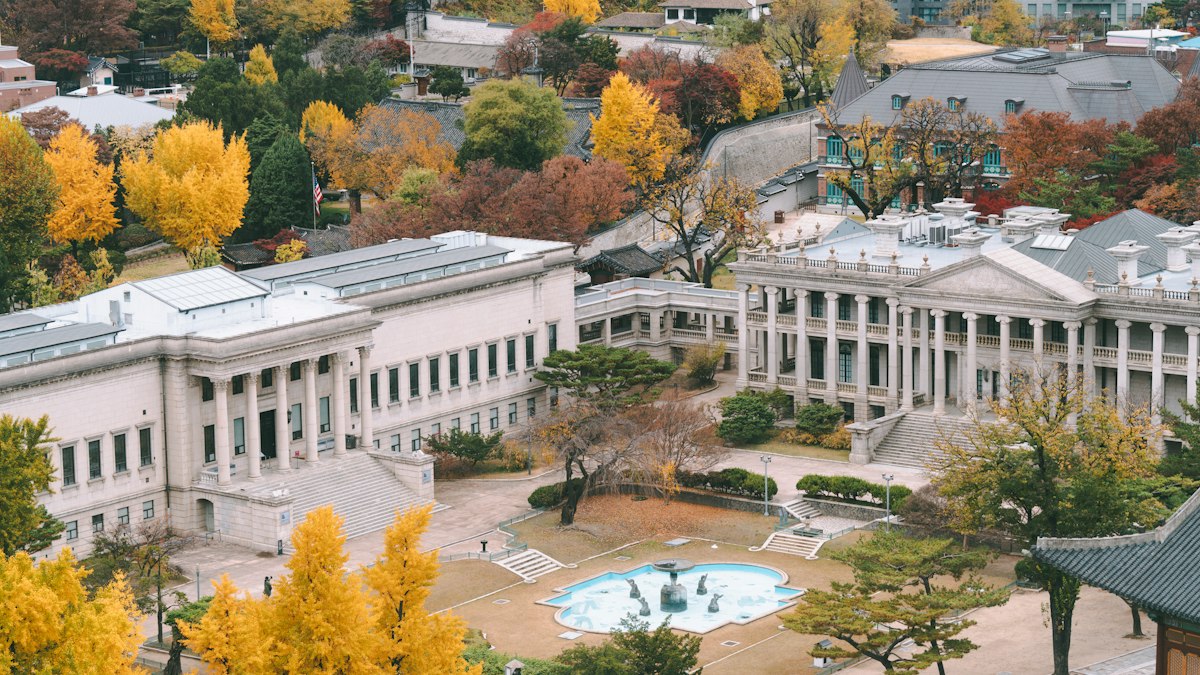
South Korea is straightforward to explore once you have local map apps, a transport card and mobile data sorted. Seoul suits most first visits, Busan adds beaches and seafood, while Jeju offers a slower, outdoors-focused break. Learn a few etiquette basics, book popular transport ahead and leave room for meals you did not plan.
Where should you go on your first trip?
For a first visit, choose Seoul as your base and add Busan or Jeju if you have enough time to enjoy them without living out of a suitcase.
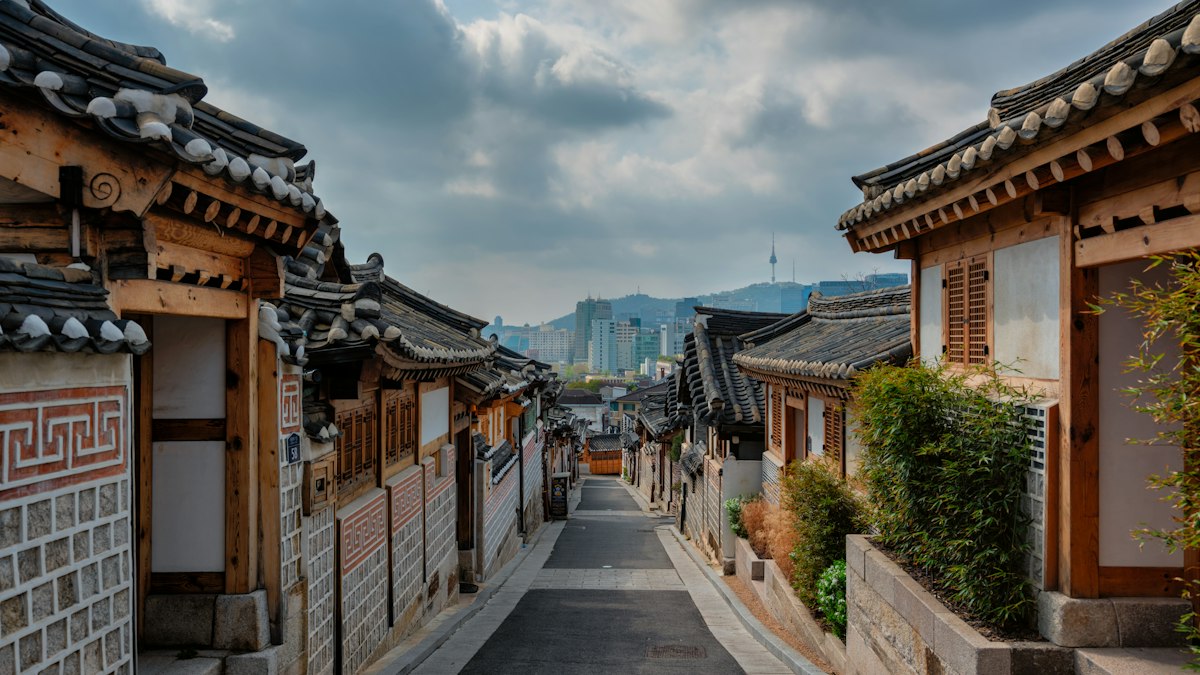
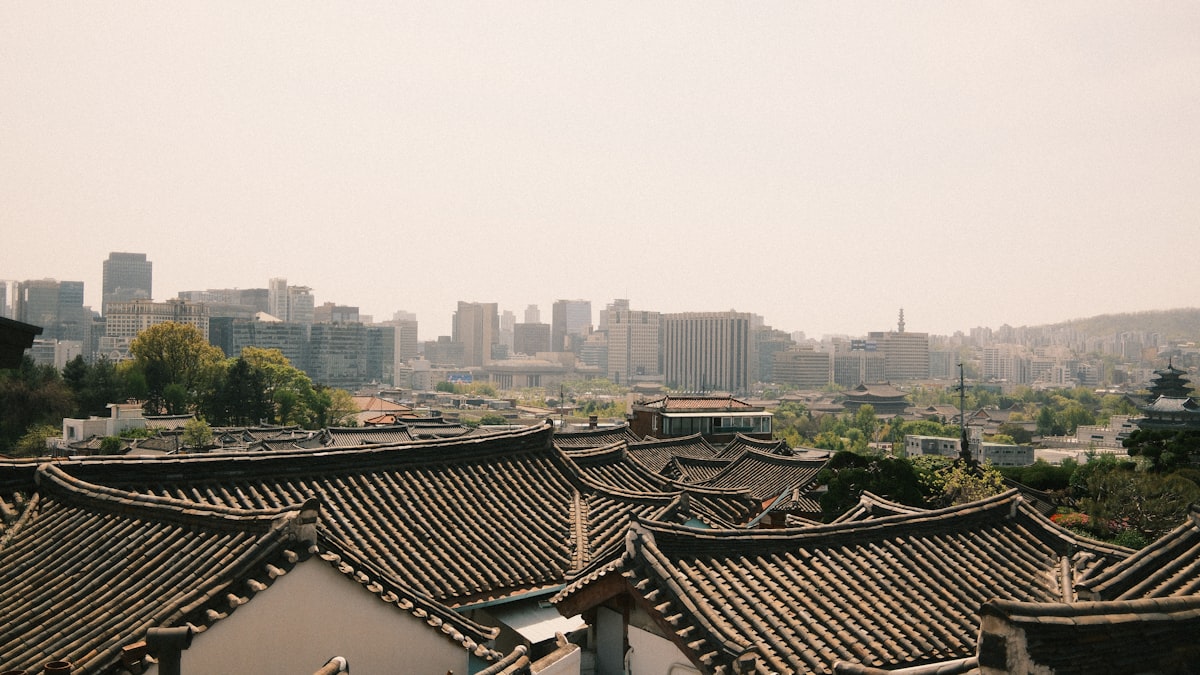
Seoul is the natural starting point. Historic palaces and hanok neighbourhoods sit among shopping districts, galleries and late-night restaurants. The city is enormous, so group each day by area rather than zigzagging across the river because a café looked nice on social media.
Busan feels more relaxed but is still a major city. Come for coastal walks, beaches, hillside neighbourhoods and seafood markets. Its attractions are spread out, which makes a little planning useful even if your preferred travel style is cheerful improvisation.
Jeju is best for volcanic landscapes, coastal scenery and hiking. It is not simply a beach extension of Seoul: weather can change quickly, distances are significant and buses may require patience. Driving can make rural areas easier to reach, but check licence and International Driving Permit requirements before booking a car.
A sensible first itinerary might combine Seoul with one other destination. Add both Busan and Jeju only if you have enough days to absorb the travel between them.
How do you get around South Korea?
Public transport is the easiest way to move through Seoul and Busan, while Jeju requires more forward planning.
In the major cities, metros and buses cover most places visitors want to reach. A rechargeable transport card saves you from arranging a separate ticket for each journey and can usually be obtained at stations or convenience stores. Follow the local instructions for loading it, as the available payment methods can vary.
High-speed and conventional trains connect many mainland cities. Reserve seats early for busy weekends, festivals and national holidays. Intercity buses are also useful, particularly for destinations away from the main rail lines. Flights and ferries connect Jeju with the mainland, though weather can disrupt sea travel.
Install these apps before departure and check that they work on your phone:
- Naver Map or KakaoMap for public transport directions, walking routes and place searches. Google Maps can be less useful for detailed navigation in South Korea.
- Papago for Korean translation, including text and images.
- Kakao T for taxi requests, where account and payment options permit.
- KorailTalk or the official rail website for train information and reservations.
Save your hotel name and address in Korean. Showing a driver a romanised street name after a long flight is a fine way to discover that pronunciation has abandoned you.
Which cultural habits should you know?
You do not need to master every rule of Korean etiquette, but small signs of consideration are noticed.
A slight bow is a common greeting, and using both hands when giving or receiving something is polite, particularly with an older person. Remove your shoes in homes and wherever footwear is clearly left at the entrance. On public transport, keep priority seats available and follow signs about quiet areas or phone use.
English is spoken in some hotels, attractions and central districts, but you should not assume everyone understands it. Learning annyeonghaseyo for hello and gamsahamnida for thank you helps. Translation apps handle the rest surprisingly well, though they occasionally produce sentences with the emotional tone of a legal dispute.
Tipping is not generally expected. If a restaurant or hotel has a specific service arrangement, follow what is stated rather than importing habits from home.
South Korea also has a strong hierarchy around age and seniority. Visitors are given plenty of leeway, so observe the people around you and avoid worrying about every possible mistake.
What should you eat and buy?
Start with everyday Korean dishes rather than building your entire food plan around famous restaurants.
Try bibimbap, grilled meats, mandu dumplings, noodle soups and jjigae stews. Street-food areas may offer tteokbokki, hotteok and savoury pancakes, while Busan is especially associated with seafood. Jeju has its own regional ingredients and dishes, so look beyond whatever appears first in a search result.
Many meals arrive with shared side dishes. Wait to see how your table handles them, use serving utensils when provided and do not stick chopsticks upright into rice. If you have allergies or dietary restrictions, carry a Korean translation that explains them precisely. Broths, sauces and kimchi can contain ingredients that are not obvious from the menu.
For shopping, Seoul ranges from traditional markets to department stores and districts devoted to fashion, beauty products, crafts or electronics. Busan has large markets and local shopping streets, while Jeju is a good place to look for regional food products and souvenirs.
Cards are common, but some small stalls or older machines may work better with cash. Tax-refund eligibility and procedures can change, so check current official guidance and ask participating shops what documents you need before buying.
How should you budget and stay safe?
Budget by category rather than relying on a fixed daily figure, and use the same ordinary precautions you would in any large city.
Plan separately for:
- accommodation;
- intercity trains, flights or ferries;
- local transport;
- meals and cafés;
- attractions and shopping;
- mobile data;
- a reserve for weather changes or missed connections.
Accommodation and long-distance transport deserve attention first, especially around weekends and Korean public holidays. Convenience stores and casual neighbourhood restaurants make flexible meal planning easy, while frequent cafés, shopping stops and taxis are the categories most likely to quietly expand your spending.
South Korea is generally considered a safe destination for travellers, but low risk does not mean no risk. Watch your belongings in crowded nightlife and shopping areas, use marked crossings, and avoid hiking without suitable footwear and water. Summer heat, heavy rain, typhoons, winter ice and poor air quality can all affect plans, so check the Korea Meteorological Administration and local alerts.
For emergencies, call 112 for police and 119 for fire or ambulance assistance. Keep your accommodation address, travel insurance details and emergency contacts available offline.
Do you really need mobile data in South Korea?
Mobile data is worth arranging because maps, translation, transport updates and restaurant searches are woven into everyday travel. You could rely on accommodation and public Wi-Fi, but that becomes inconvenient when your bus route changes or you need to show a taxi driver an address.
An eSIM removes the need to find a physical SIM after landing, provided your phone supports eSIM and is unlocked. Compatibility is never something to guess from the model name alone: check your device settings, the manufacturer’s regional specifications and your mobile operator’s lock status.
Travelling to South Korea?
- 3 GB per day · 1 day€5.50
- 1 GB per day · 3 days€6.10
- 1 GB per day · 7 days€7.20
Set it up in this order:
- Check compatibility and unlocking. Look for an option to add an eSIM or mobile plan in your phone settings, then confirm the device is not network-locked.
- Install the eSIM before departure. Use reliable Wi-Fi and keep the installation details somewhere you can access offline. Do not activate it earlier than the provider instructs.
- Choose the correct data line. Set the travel eSIM as the mobile-data line and turn off data roaming for your home SIM.
- Follow the provider’s roaming instructions. Some travel eSIMs require data roaming on the eSIM line itself.
- Disable automatic data switching. This helps prevent your phone from falling back to your home SIM without warning.
- Test it after arrival. Toggle aeroplane mode, restart the phone if necessary and check the access point settings supplied by the provider.
Network performance varies with location, buildings, congestion and the local partner network. Check the provider’s current coverage information for the places you plan to visit, particularly if you are hiking on Jeju or travelling through rural areas. Also confirm whether your eSIM includes only data or supports calls and texts; messaging and internet-calling apps are often the practical alternative for a data-only setup.
Travelling to South Korea?
Get an eSIM with instant data and land already connected.
Stay connected wherever you travel
Instant eSIM data plans, wherever you're going. No physical SIM, no roaming surprises.