 MochiSim
August 2, 2026
What to Know Before Your First South Korea Trip
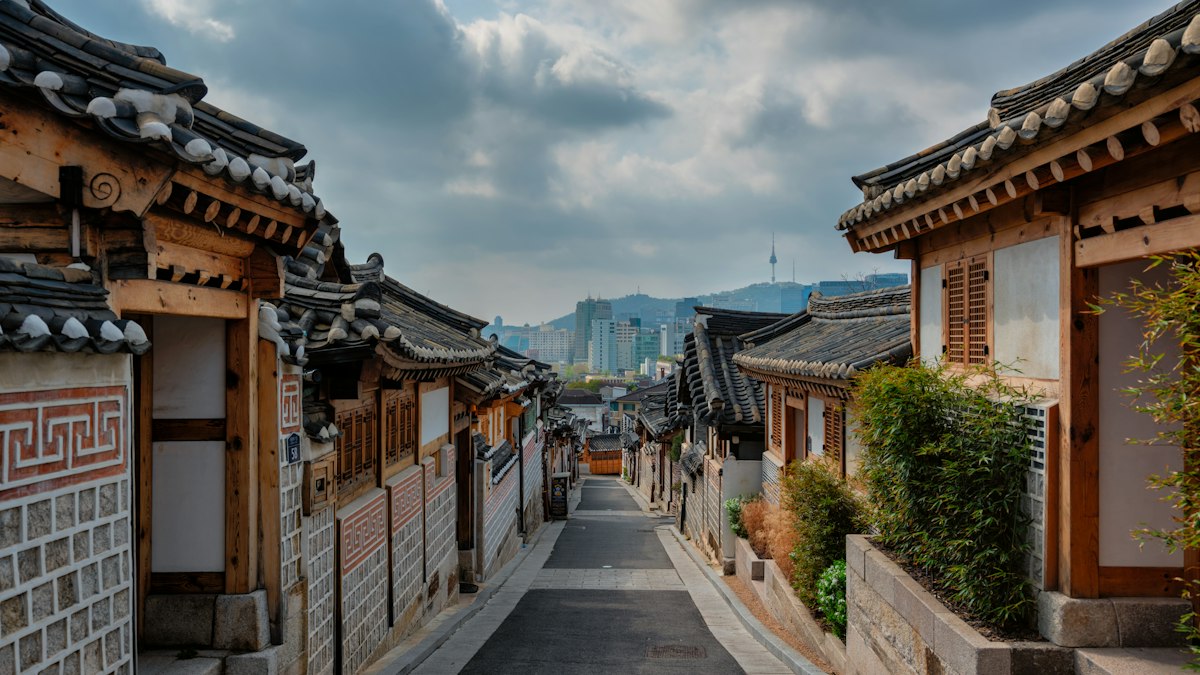
South Korea is straightforward for a first visit once you prepare for a few local quirks: foreign cards do not work everywhere, local navigation apps are particularly useful, and restaurant customs may be unfamiliar. Learn a handful of Korean phrases, carry a payment backup and pack for the actual season rather than relying on a vague idea of East Asian weather.
What should you arrange before flying to South Korea?
Sort out entry documents, mobile data and your first journey from the airport before you leave. Those three jobs prevent most arrival-day faff, particularly when you are tired and trying to decipher a ticket machine with a queue forming behind you.
- Check entry requirements for your passport. Visa and arrival-form rules depend on nationality and can change. Use South Korea’s official immigration or embassy websites rather than an old blog post or social media screenshot.
- Save your accommodation address in Korean. Keep it on your phone and offline. It is useful for taxi drivers, station staff and any form that requests a local address.
- Plan your airport transfer. Look up the rail, airport bus or taxi route to your accommodation and note when your chosen service operates. Your options may be narrower after a late arrival.
- Set up mobile data. If using an eSIM, confirm that your phone supports eSIMs and is unlocked by checking its settings, manufacturer guidance and mobile operator. Install it before departure if instructed, but follow the activation directions because start conditions vary.
- Download essentials. Save a local map, Korean language pack, booking details and travel insurance documents for offline use.
- Check your plug and voltage needs. South Korea generally uses plug types C and F with a 220-volt supply. Read the input label on each device before connecting it, and bring a suitable adapter if required.
Travelling to South Korea?
- 3 GB per day · 1 day€5.50
- 1 GB per day · 3 days€6.10
- 1 GB per day · 7 days€7.20
How should you handle payments in South Korea?
Use a card as your main method in cities, but carry cash and a second card as backups. Foreign cards can fail at unattended kiosks, smaller businesses or online booking pages even when the same card works perfectly elsewhere.
A reusable transport card makes urban travel easier and can usually be obtained or topped up at stations and convenience stores. Some top-up points may require cash, so do not arrive with an entirely card-only plan. Conditions differ by machine and card issuer, so check the instructions displayed where you buy it.
A sensible payment setup includes:
- A physical payment card, not only a phone wallet
- A backup card stored separately
- Some cash for markets, small shops and transport-card top-ups
- A bank app or contact method in case a transaction is blocked
At restaurants, you often pay at the counter rather than waiting for someone to bring a bill. Do not interpret a moment of silence at the table as neglect; everyone may simply assume you know where the card reader lives.
How do you get around South Korean cities?
Public transport is usually the practical choice in major cities, but install a Korean mapping app rather than depending on the app you use at home. International map services may show places correctly while offering less useful walking or public transport directions than local alternatives.
Subways commonly have numbered exits, and choosing the right one matters. A station can cover several blocks underground, so “Exit 7” is much more useful than merely knowing the station name. Screens and announcements often include English in large urban systems, although smaller stops and local buses may provide less assistance.
For smoother journeys:
- Tap your transport card as directed when entering and leaving
- Avoid priority seats unless you need them, even when the carriage is quiet
- Keep phone calls and conversation subdued on public transport
- Check the final service time rather than assuming trains run all night
- Save your destination in Korean before taking a taxi
Intercity trains and buses connect much of the country. Popular departures can fill around weekends and public holidays, so reserve important journeys through the official operator when possible. Confirm the station carefully too: large cities can have several terminals with deceptively similar names.
Will the language barrier be difficult?
You can travel without speaking Korean, especially in major visitor areas, but English will not solve every interaction. Station staff, hotel receptionists and younger city residents may be able to help, while a market stallholder or rural bus driver may not.
Translation apps are genuinely useful here. Download Korean for offline use, and use the camera function for menus, appliance controls and signs. For important requests, show a short translated sentence rather than delivering a long speech into your phone and hoping the robot has grasped the nuance.
A few phrases go a long way:
- 안녕하세요 (annyeonghaseyo): Hello
- 감사합니다 (gamsahamnida): Thank you
- 이거 주세요 (igeo juseyo): This one, please
- 화장실 어디예요? (hwajangsil eodiyeyo?): Where is the toilet?
Learning to recognise Hangul, the Korean alphabet, is also more achievable than it first appears. Even basic letter recognition helps you match a station name or restaurant sign without relying entirely on romanised spellings, which are not always consistent.
Which cultural habits should first-time visitors know?
Politeness in South Korea is shaped by age, status and context, but visitors are not expected to master every social rule. Basic consideration matters more than performing an elaborate imitation of local etiquette.
A small nod or slight bow works as a greeting. When giving or receiving something in a polite setting, particularly a card, gift or drink, using both hands is a respectful habit. In homes, guesthouses and some traditional restaurants, remove your shoes when you see footwear left at the entrance or a raised floor beyond it.
You should also bear in mind that:
- Public transport is generally quieter than in many countries
- Priority areas may be left open for older passengers, pregnant travellers or people with disabilities
- Rubbish bins can be unexpectedly difficult to find, so keep a small bag for wrappers
- Photographing strangers closely without asking is intrusive everywhere, including here
- Temples and memorial sites call for quieter behaviour and modest clothing
South Koreans do not all follow one rigid code, of course. Seoul on a Friday evening and a formal family gathering are different worlds. Watch what people around you are doing, and do not panic over minor mistakes.
What should you expect in South Korean restaurants?
Expect shared side dishes, table-specific ordering systems and a meal that may move more quickly than you are used to. Staff might take your order at the table, respond to a call button or expect you to order at a counter or screen.
Water, cutlery and extra side dishes may be self-service. Chopsticks and spoons are sometimes kept in a drawer beneath the tabletop, which can leave first-time diners conducting a needlessly thorough search of the room. Look under the table edge before admitting defeat.
Useful dining habits include:
- Wait for the oldest person to begin at a formal group meal
- Use serving utensils when they are provided for shared food
- Do not leave chopsticks standing upright in a bowl of rice
- Ask before assuming every side dish can be refilled
- Check whether you should pay at the table or front counter
Tipping is not generally expected in ordinary local restaurants, though you should follow the policy of the particular venue or service.
If you have allergies or dietary restrictions, carry a written Korean explanation that states exactly what you cannot eat. “No meat” may not exclude stock, fish sauce or small pieces used as seasoning, and staff may interpret vegetarian, vegan and allergy requests differently. Clear ingredients are more useful than labels.
What weather should you pack for?
Pack according to the month and region because South Korea has distinct seasons rather than one reliably mild climate. Summers can be hot, humid and wet, while winters can be cold and dry; spring and autumn often bring comfortable days but noticeable temperature changes.
For warmer months, take breathable clothing, sun protection and something that handles sudden heavy rain. For winter, bring proper insulating layers, gloves and footwear suited to cold pavements. During spring and autumn, layers are the safer choice because a pleasant afternoon can follow a chilly morning.
Air quality also varies from day to day. If you are sensitive to pollution or have a respiratory condition, check a reputable local air-quality service and follow medical advice about masks or medication. Before any outdoor day trip, check the current forecast rather than trusting what the weather usually does that month.
Travelling to South Korea?
Get an eSIM with instant data and land already connected.
Stay connected wherever you travel
Instant eSIM data plans, wherever you're going. No physical SIM, no roaming surprises.