 MochiSim
August 4, 2026
What Are the Best Things to Do in Seoul?
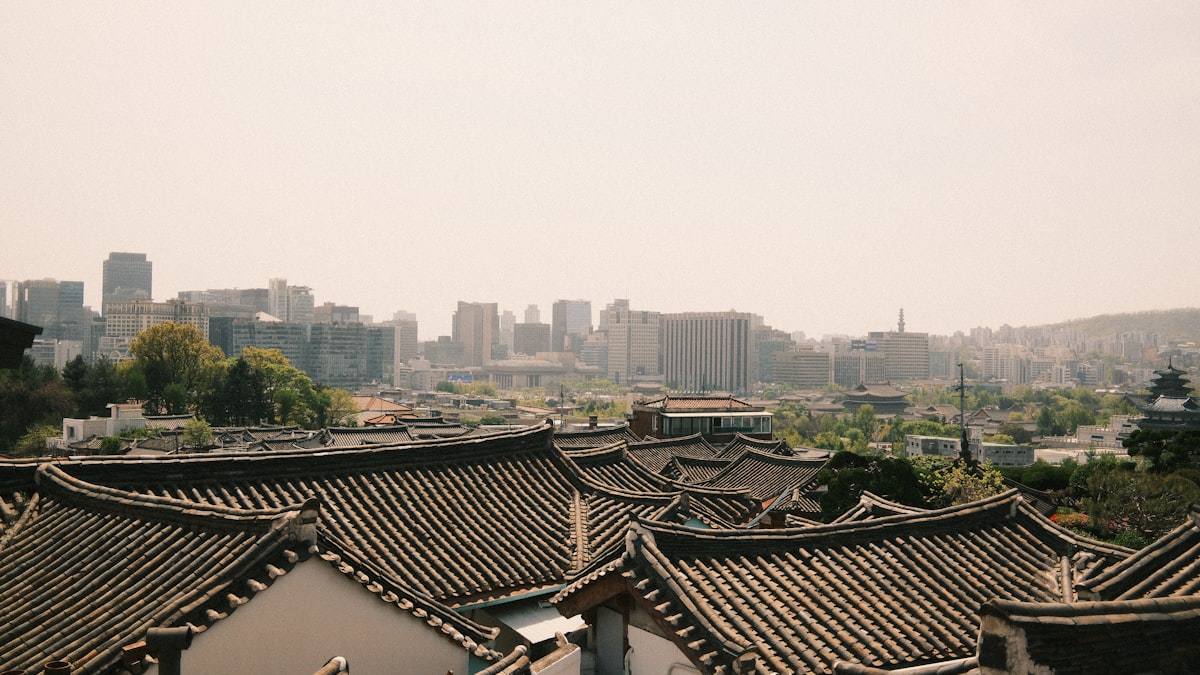
The best things to do in Seoul are to explore its historic centre, spend time in a few distinct neighbourhoods, eat widely and leave room for cafés, shopping and nightlife. A good first visit combines palaces and markets around Jongno with areas such as Hongdae, Seongsu, Itaewon or Gangnam, rather than racing between landmarks all day. Use the subway, install Korean navigation apps and keep mobile data available, because Seoul becomes much easier when you can check the correct station exit.
Which Seoul neighbourhoods should you explore?
Jongno, Hongdae, Seongsu and Itaewon make a useful starting mix, but the right neighbourhoods depend on whether you want history, shopping, nightlife or café-hopping.
Jongno and Insadong put you close to major palaces, traditional lanes, museums and craft shops. Walk towards Ikseon-dong for compact alleys filled with restaurants and cafés, though expect the prettiest corners to attract plenty of cameras.
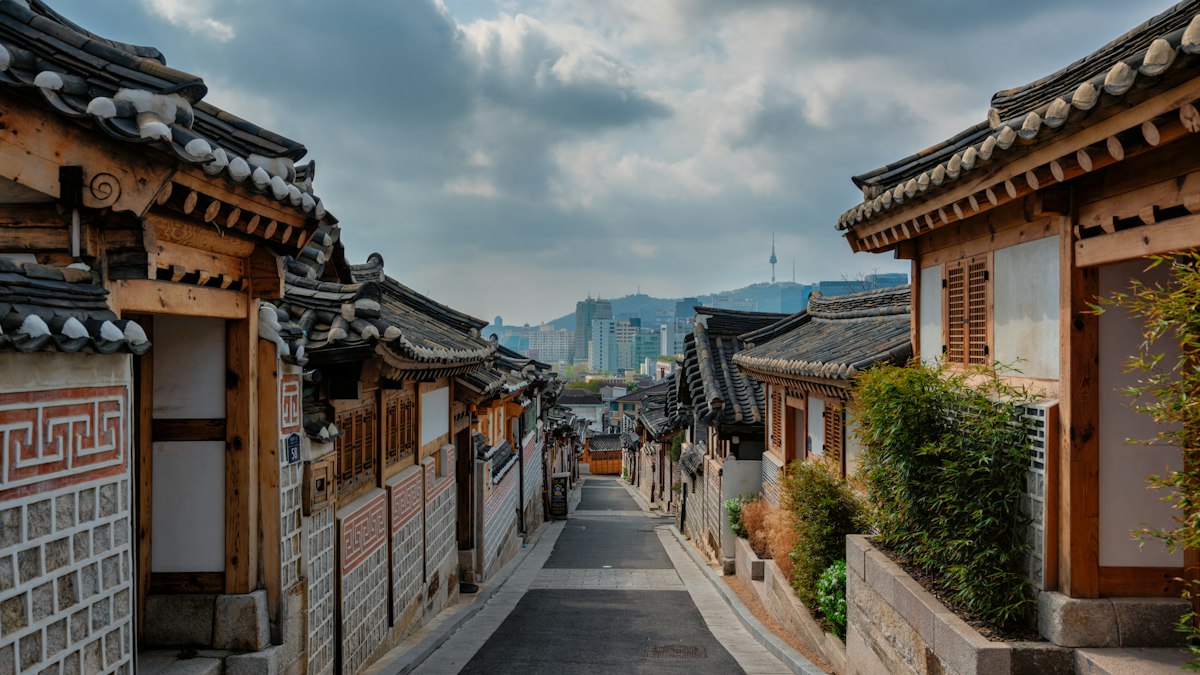
Bukchon sits between palace grounds and has handsome hanok-lined streets. It is also residential, so follow local signs, keep your voice down and avoid treating doorsteps as photo props. Nearby Samcheong-dong feels calmer and is good for galleries and a slow lunch.
Hongdae and Yeonnam-dong suit evenings, casual food and independent shops. Hongdae has the louder nightlife, while Yeonnam-dong offers leafy side streets and cafés around the former railway corridor.
Seongsu is known for converted industrial buildings, design shops, cafés and temporary pop-ups. Individual venues change quickly, so check current listings rather than crossing the city for a post you saw months ago.
Itaewon, Hannam and Haebangchon bring together international restaurants, bars, galleries and steep hillside streets. Gangnam, south of the river, has department stores, nightlife and large commercial districts; allow more travel time than the map’s neat grid might suggest.
Which Seoul attractions are genuinely worth your time?
The royal palaces, a traditional neighbourhood and either Namsan or the Han River give a first visit a strong sense of Seoul without turning it into a checklist.
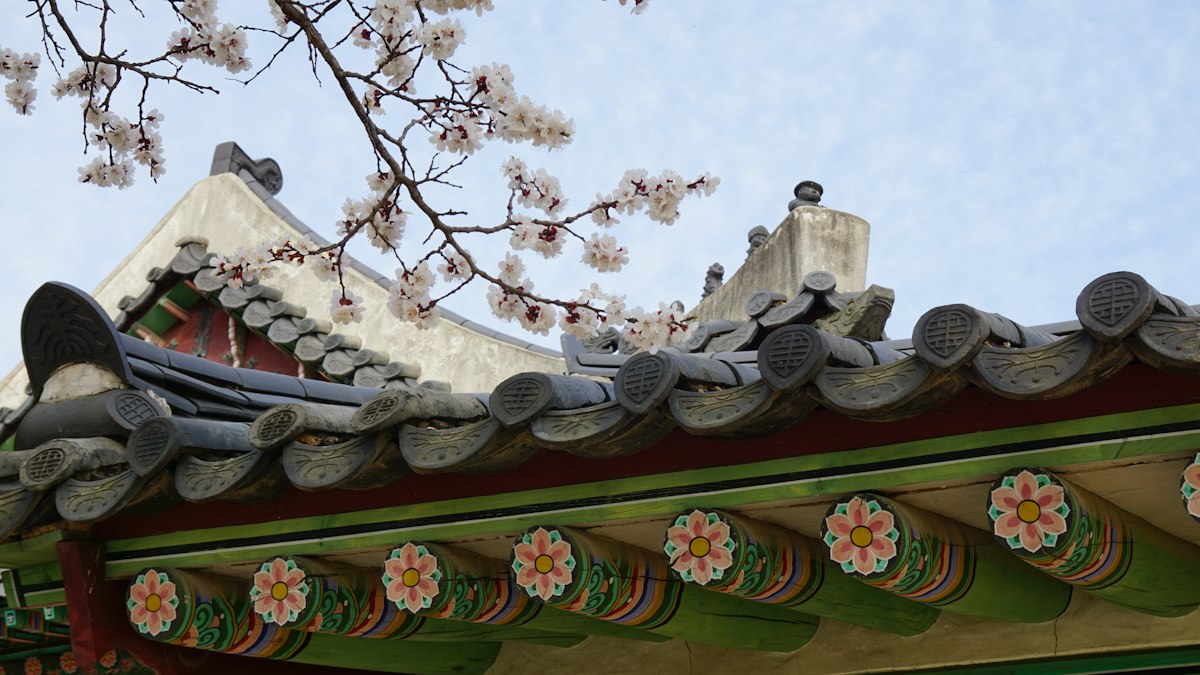
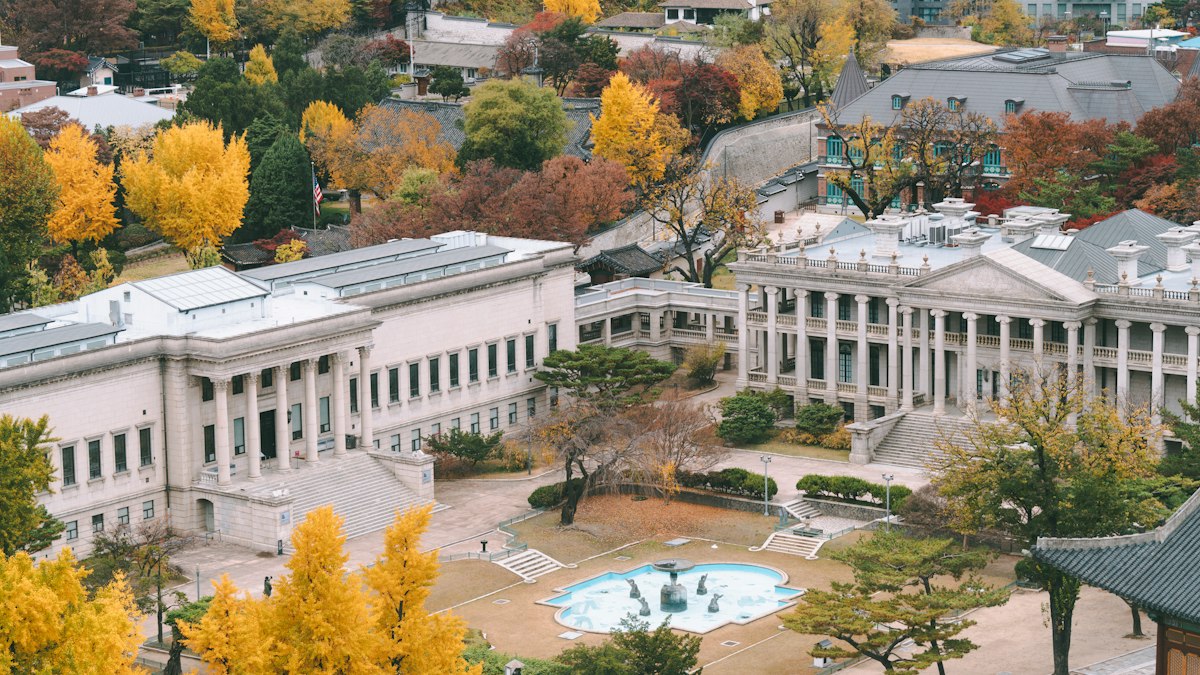
Gyeongbokgung is the grandest palace choice for many visitors and pairs naturally with Bukchon, Insadong or the National Folk Museum area. Changdeokgung feels more intimate, particularly around its landscaped rear garden; access arrangements can vary, so check the official palace information before going. Deoksugung is convenient if you are already near City Hall and works well in a shorter itinerary.
For a broad city view, head up Namsan by walking, bus or cable car, depending on current operations and your enthusiasm for hills. The summit area around N Seoul Tower can be busy, but the view helps explain the city’s geography: mountains pressing in, the river cutting across it and dense neighbourhoods filling nearly every gap.
The Han River offers a different Seoul. Choose a riverside park, pick up food nearby and watch cyclists, runners and picnicking groups pass. It is particularly pleasant near sunset, although weather and seasonal conditions matter more here than any carefully optimised schedule.
Museums are useful when rain, heat or cold disrupts your plans. The National Museum of Korea covers a vast sweep of Korean art and history, while smaller museums around Jongno are easier to combine with palace visits. Always check the official website for closing days, reservations and exhibition changes.
Where should you go for cafés, food and shopping?
Choose cafés and shops by neighbourhood rather than chasing a long list of famous venues, because Seoul’s fashionable addresses change quickly.
Seongsu is the obvious choice for dramatic café interiors, brand showrooms and pop-ups. Yeonnam-dong has smaller spaces tucked into side streets, while Ikseon-dong places cafés inside and around renovated hanok buildings. Café rules differ: some have time limits, minimum ordering policies or restrictions on laptops, so glance at the counter signs before settling in for the afternoon.
For food, markets are an easy introduction but not the only answer. Gwangjang Market is convenient for sampling several familiar dishes in one place, though it can become crowded. Mangwon Market feels more closely tied to its surrounding neighbourhood. Elsewhere, look for busy specialist restaurants serving a short menu rather than assuming every meal needs to be a viral discovery.
Shopping areas have distinct strengths:
- Myeongdong for cosmetics, fashion chains and a busy central-city atmosphere.
- Insadong for crafts, tea, stationery and traditional-style gifts.
- Namdaemun Market for a dense, old-fashioned market experience.
- Dongdaemun for fashion complexes and nearby design landmarks, with business hours varying by building.
- Seongsu and Hannam for boutiques, showrooms and temporary retail events.
- Gangnam and Jamsil for large malls and department stores.
Carry your passport only when you genuinely need it and ask individual shops about current visitor tax-refund procedures rather than assuming every purchase qualifies.
Where is Seoul nightlife best?
Hongdae, Euljiro, Itaewon and Gangnam offer the broadest range of nightlife, from live music and casual beer halls to cocktail bars and clubs.
Hongdae draws a younger crowd and is easy to combine with dinner in Yeonnam-dong. Itaewon has a varied mix of international restaurants, pubs, clubs and smaller bars spread across steep streets. Euljiro hides drinking spots among printing shops and older commercial buildings; finding the correct doorway can be half the evening’s challenge. Gangnam has polished bars and clubs, but venues may enforce their own entry, identification and dress rules.
Bring accepted identification if a venue requires age verification, and check the last subway connection before ordering another round. Night buses and taxis may be alternatives, but routes, availability and pickup points vary. Setting a precise map pin is far more useful than telling a driver the English name of a bar buried on an upper floor.
How do you use public transport and navigation in Seoul?
The subway is usually the simplest way to cover long distances, while buses and taxis help with hills, awkward transfers and places far from a station.
Station signs and announcements commonly include English, but Seoul’s enormous stations can have many exits. The difference between the right exit and the wrong one may be a large road, an underground shopping arcade and several mildly resentful minutes of backtracking.
Set yourself up in this order:
- Get a rechargeable transport card at a station or participating shop, then check the current top-up methods where you buy it.
- Install Naver Map or KakaoMap and download any language resources you want before leaving reliable Wi-Fi.
- Search using the Korean address or place listing when an English name produces several results.
- Note the station exit number before you arrive, especially around major interchanges.
- Tap correctly on buses and trains, following the instructions on the reader and local signs.
- Check the final service shown in your route app if you expect to return late.
Google Maps can still help with saved places and general orientation, but its Korean walking and driving directions may be less complete than those in local mapping apps. Compare results if a route looks odd. Kakao T is commonly used for taxis, although registration and payment options can depend on your account and phone setup.
Can you manage Seoul without speaking Korean?
Yes, you can manage Seoul without speaking Korean, particularly in major visitor areas, but translation and navigation apps remove a great deal of friction.
Papago is useful for Korean text, menus and short conversations. Camera translation helps, but stylised fonts and handwritten signs can confuse it, so keep expectations modest. Save your accommodation’s name and address in Korean for taxi rides or when asking for directions.
Mobile data matters because route changes, restaurant queues and translation needs tend to appear when public Wi-Fi is nowhere useful. An eSIM can remove the need to find a physical SIM after landing, provided your phone supports eSIM, is network-unlocked and works with the relevant network bands. Check the device manufacturer’s specifications and your handset settings rather than relying on the model name alone, as regional versions can differ.
Travelling to South Korea?
- 3 GB per day · 1 day€5.50
- 1 GB per day · 3 days€6.10
- 1 GB per day · 7 days€7.20
Install the eSIM before departure if the instructions permit, but confirm when activation or validity begins. Keep your primary line disabled for mobile data if you want to avoid accidental roaming, retain it only if needed for messages or account verification, and take screenshots of the installation details before flying. Some Korean apps may still require a local number or account for particular functions, so keep a browser-based alternative and the Korean address of your destination handy.
Travelling to South Korea?
Get an eSIM with instant data and land already connected.
Stay connected wherever you travel
Instant eSIM data plans, wherever you're going. No physical SIM, no roaming surprises.