 MochiSim
August 16, 2026
What Should You Know Before Visiting Tokyo?
Tokyo is easier than its size suggests: choose a well-connected base, organise each day by neighbourhood, and rely on trains plus a mobile map. You do not need to master Japanese, but mobile internet, a translation app and a little planning will make everything from ordering noodles to finding the correct station exit much smoother.
Which Tokyo neighbourhood should you stay in?
Stay somewhere near a useful railway or metro station, then choose the neighbourhood that suits how you like to spend your evenings. Tokyo has no single centre, so the best base is usually the one that reduces travel to the places you care about.
- Shinjuku: Convenient for major rail connections, department stores, restaurants and late-night streets. It is energetic and can feel overwhelming after a long flight.
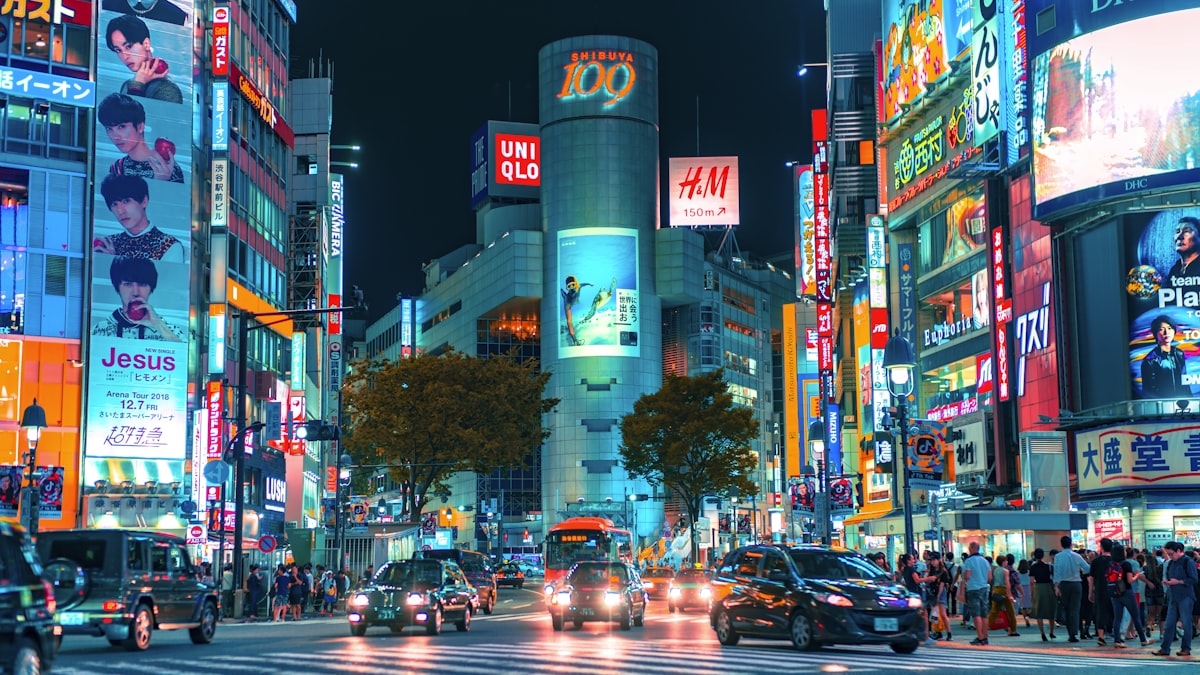
- Shibuya: Good for fashion, cafés, nightlife and easy access to Harajuku and Omotesando. Expect crowds around the main station.
- Asakusa: A calmer choice with traditional streets, Sensō-ji and straightforward access to eastern Tokyo.
- Ueno: Handy for museums, park walks, markets and transport links. It often feels more relaxed than Shinjuku or Shibuya.
- Ginza and Tokyo Station: Useful for polished shopping, restaurants, business districts and onward rail journeys.
- Kichijoji or Shimokitazawa: Better if you prefer smaller venues, local shopping streets and evenings away from the busiest visitor zones, though you will spend longer travelling to some headline sights.
Check the walking route between your accommodation and the station rather than trusting the distance alone. A station complex can be enormous, and “five minutes away” feels rather different when you have luggage and picked the wrong exit.
Which Tokyo attractions deserve your time?
Tokyo is best when you mix one or two famous sights with time to wander a specific district. Racing between landmarks across the city wastes energy and leaves you with an impressive knowledge of train interiors.
For a first visit, consider these combinations:
- Asakusa and Tokyo Skytree: Visit Sensō-ji, explore the surrounding lanes and continue towards the Sumida River. Check current admission arrangements before visiting observation decks.
- Ueno and Yanaka: Pair museums and the park with older residential streets, temples and small shops.
- Meiji Shrine, Harajuku and Omotesando: A wooded shrine approach followed by youth fashion, architecture and cafés.
- Shibuya and Daikanyama: See the crossing, browse the surrounding shops and then walk towards quieter streets.
- Tsukiji and Ginza: Go for seafood and market lanes before continuing to galleries, shops and department-store food halls.
- Shinjuku: Combine gardens or city views with restaurant alleys and neon-lit streets after dark.
Popular museums, themed attractions and observation decks may use timed entry. Check official websites before fixing your day around them, especially during Japanese holidays or seasonal events. Also keep a wet-weather alternative. Tokyo’s museums, arcades, covered shopping streets and department stores can rescue a rainy afternoon without making it feel like a consolation prize.
How do you get around Tokyo without getting lost?
Use trains and metros for most journeys, Google Maps or another live journey planner for routing, and station signs for the final approach. English signage is common on major routes, but large stations can contain several operators, underground passages and a frankly ambitious number of exits.
A reliable routine is:
- Enter the exact destination in your map app, not merely the neighbourhood.
- Check the railway operator, line name, platform and suggested carriage if shown.
- Follow signs for that operator before looking for your line.
- At the destination, note the recommended exit before leaving the platform area.
- If the route looks oddly complicated, compare it with a simpler option involving fewer changes.
A reloadable IC transit card can make routine journeys easier because you tap in and out rather than buying a separate ticket each time. Availability and phone-based versions depend on the card, device and account settings, so check current official guidance. Keep the physical card separate from other contactless cards to avoid tapping the wrong one.
Trains do not generally run throughout the night. Check the final service in your journey app before settling into a tiny bar, and confirm the route rather than assuming every line finishes at the same time. Taxis are useful when trains are inconvenient, but road journeys can take longer than expected in busy periods.
What should you eat in Tokyo?
Eat beyond the famous sushi counters: Tokyo is excellent for ramen, soba, udon, tempura, yakitori, curry, tonkatsu, sweets and carefully made convenience-store snacks. Small specialist restaurants often focus on one dish, which makes choosing pleasantly simple.
Ticket machines are common at casual noodle and rice shops. Select the dish, pay at the machine and hand the ticket to staff; newer machines may offer language options. Elsewhere, photos, display models and translation apps help. Pointing politely remains one of travel’s more durable technologies.
If you have allergies, vegetarian requirements or religious dietary restrictions, prepare a translated card that states exactly what you cannot eat. Ingredients such as fish stock may appear in dishes that do not visibly contain fish, and staff may understand “no meat” differently from you. Translation tools help, but a clearly written card is safer than improvising during the dinner rush.
Food halls beneath department stores are excellent for browsing prepared dishes and regional specialities. Markets are good places to sample food, but follow posted rules about where to eat and dispose of rubbish. Public bins can be scarce, so carry a small bag for wrappers until you find one.
Do you really need mobile internet in Tokyo?
You can visit without constant internet, but reliable mobile data removes several recurring annoyances. It lets you reroute around service changes, identify the correct station exit, translate a menu and message your accommodation when the entrance is hiding down an unmarked side street.
Before departure, download an offline map of central Tokyo and save your hotel address in both English and Japanese. Install Japanese for offline use in your preferred translation app, and take screenshots of bookings or entry codes. These backups matter when a basement restaurant or crowded station briefly leaves your phone without a usable signal.
An eSIM can be convenient because you can install it before flying and switch on its data line after arrival. Your phone must support eSIM, be unlocked and have the correct settings. Check the device manufacturer’s specifications and your mobile provider’s lock status rather than assuming compatibility. Network experience can vary by location, building and local conditions.
Travelling to Japan?
- 3 GB per day · 1 day€5.90
- 3 GB per day · 3 days€7.90
- 1 GB per day · 7 days€8.10
To avoid accidental roaming, confirm which SIM is assigned to mobile data and whether data roaming is enabled on the travel line as instructed. Keep your usual number active only if you need incoming messages, and review your home provider’s roaming rules first.
Where should you shop and go out at night?
Shop in Shibuya and Harajuku for fashion, Ginza and Omotesando for polished retail, Akihabara for electronics and hobby goods, and neighbourhood shopping streets for everyday finds. Department stores are particularly useful when your group wants completely different things but would still like to meet again before sunset.
For vintage clothing and smaller independent shops, explore Shimokitazawa and Koenji. Kappabashi is known for kitchenware, while stationery enthusiasts can lose an entirely respectable afternoon in specialist shops across the city. When buying electronics, check voltage, plugs, language settings and warranty coverage before paying.
Nightlife varies sharply by district. Shinjuku and Shibuya offer dense clusters of bars, clubs and late-night food; Ebisu and Nakameguro tend to feel more restrained; Koenji and Shimokitazawa have smaller music venues. Some bars have cover charges or seating rules, so look for posted information before entering. Avoid street touts promising a particular venue, and use places you can verify independently.
How can you manage your budget and avoid practical mistakes?
Control spending by limiting cross-city detours, mixing formal meals with casual counters, and deciding which ticketed attractions genuinely matter to you. Tokyo accommodates many travel styles, but unplanned transport, shopping and late-night decisions can quietly swell the day’s total.
Keep these practical habits in mind:
- Carry some cash even though card and contactless acceptance is widespread; smaller businesses and older machines may have limited options.
- Use convenience stores and post-office cash machines where your card network is supported, and check your bank’s overseas-use rules.
- Pack comfortable shoes. You will walk more than the railway map implies, especially inside stations.
- Follow local cues: queue neatly, keep calls quiet on trains and avoid blocking doors with luggage.
- Check rubbish-sorting signs at your accommodation rather than guessing.
- Carry your passport as required and keep a secure copy of its identification page.
- Confirm current weather and disruption information before day trips, particularly during periods of extreme heat, heavy rain or severe storms.
Leave one half-day unplanned. Tokyo rewards the moment when you abandon a complicated itinerary because you found a tiny garden, a record shop or a lunch queue that seems worth joining.
Travelling to Japan?
Get an eSIM with instant data and land already connected.
Stay connected wherever you travel
Instant eSIM data plans, wherever you're going. No physical SIM, no roaming surprises.