 MochiSim
August 6, 2026
How Can You Make Your First Manila Trip Easier?
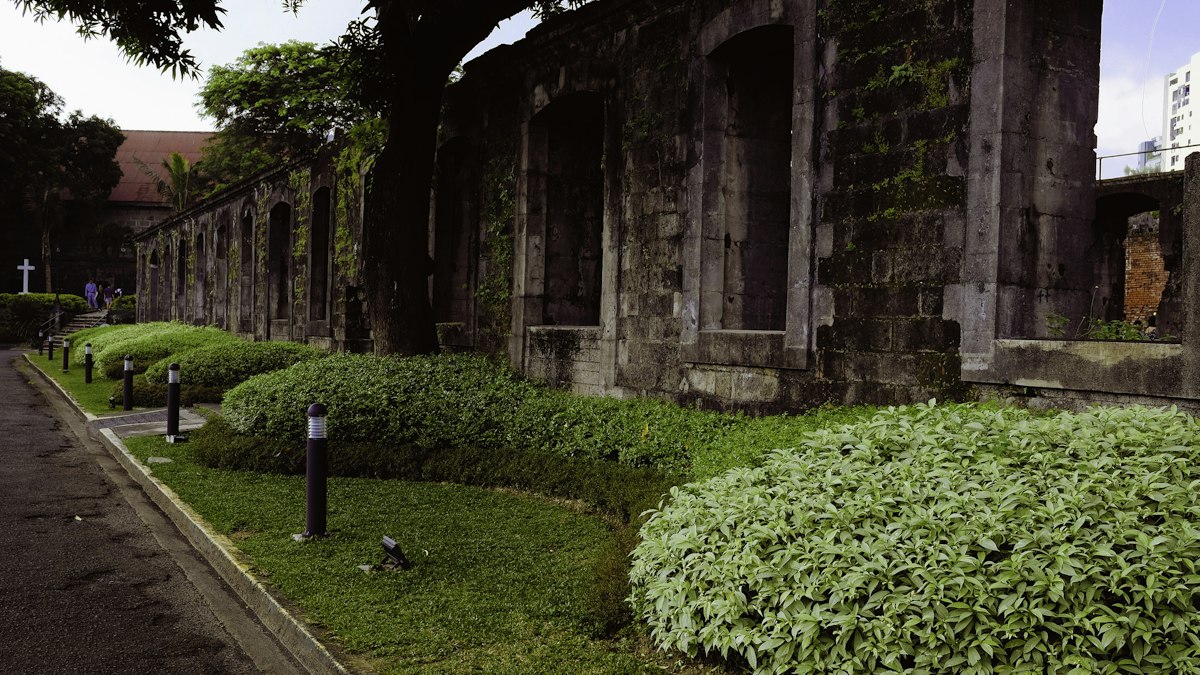
Manila is easiest on a first visit when you choose a convenient base, explore one district at a time and treat traffic as part of the planning rather than a nasty surprise. Arrange your airport transfer and mobile connection before you land, then leave generous gaps between plans. This is a sprawling, energetic capital, not a city to conquer in one heroic afternoon.
Where should you stay in Manila?
Stay near the places you expect to visit most, because a short distance on the map can become a long journey at busy times. “Manila” may refer to the City of Manila itself or the much larger Metro Manila area, which includes several cities with distinct centres.
For a first trip, these are the most useful bases to consider:
- Makati: A practical choice for restaurants, shopping centres and a polished business-district feel. It works well if you want plenty of services nearby and easy evenings without another cross-city journey.
- Bonifacio Global City: Modern, orderly and relatively comfortable for walking within the district. It is convenient for contemporary restaurants and shops, though less atmospheric if your priority is historic Manila.
- Ermita or Malate: Close to Rizal Park, museums and Manila Bay, with easier access to Intramuros than the eastern business districts. Choose your exact street carefully and read recent accommodation reviews.
- Quezon City: Useful if your plans focus on its universities, entertainment areas or northern Metro Manila. It is less convenient for a sightseeing list centred on Intramuros and Makati.
- Pasay: Handy for some airport journeys and major event venues, but the experience varies considerably from one pocket to another.
Check the accommodation’s recent reviews for noise, street access and the reliability of its Wi-Fi. A hotel that looks central to everything often turns out to be central to nothing in particular.
What should you see on a first visit?
Start with Intramuros, then pair it with one or two nearby sights rather than zigzagging across Metro Manila. The old walled district gives you essential historical context and is best explored before the heat and traffic wear down your curiosity.
Within Intramuros, you can walk between fortifications, churches, plazas and colonial-era buildings. Fort Santiago is a natural focal point, while the surrounding streets reward slower wandering. Check current entry arrangements and opening information directly with each site before setting out.
Nearby, Rizal Park offers open space and a major national landmark. The National Museum complex is another strong choice, particularly when the weather makes an air-conditioned gallery unusually appealing. Confirm which buildings and collections are open on your chosen day.
Binondo deserves a separate visit rather than a rushed add-on. Its streets, temples, shops and food counters reveal another layer of the city’s history. If you want a modern contrast, spend an evening in Makati or Bonifacio Global City instead of attempting another long sightseeing loop.
Manila Bay is known for sunset views, but weather and haze decide whether the sky performs. It does not take requests.
How do you get around without losing the day to traffic?
Use a mixture of rail, ride-hailing services, taxis and short walks, while grouping stops by area. No single option is best for every journey.
Metro Manila’s MRT and LRT lines can bypass road congestion on useful corridors, although stations may still be some distance from your final destination. Check the current route map and service notices before travelling, and keep bags close when platforms and carriages are crowded.
Jeepneys are part of everyday Manila and can be useful once you understand the route. The destination signs and stopping conventions are not always obvious to newcomers, so ask your accommodation staff which jeepney to take and where to get off. City buses and modern minibuses cover many other routes, but routes can change.
For taxis or ride-hailing pickups, confirm the vehicle and driver details in the app before getting in. At busy buildings, make sure you and the driver have agreed on the correct entrance; large shopping centres can have several pickup points, all apparently designed to make you question your sense of direction.
Plan around these habits:
- Keep each day focused on one side of the city.
- Allow extra time for airport trips and fixed reservations.
- Save destinations in your map app before leaving Wi-Fi.
- Avoid assuming that a short road distance means a quick journey.
- Use pedestrian crossings and footbridges where available, as some major roads are difficult to cross at street level.
What should you do after landing at Manila airport?
After landing, connect your phone, confirm your terminal and use an authorised transport option from the designated area. Ninoy Aquino International Airport has multiple terminals, and your arrival and departure terminals may not be the same.
A simple arrival routine prevents most avoidable faffing:
- Connect to mobile data or airport Wi-Fi. Message your accommodation or travel companions before leaving the terminal.
- Check your terminal location. Do not rely solely on an old itinerary or a previous traveller’s advice; airlines and terminal arrangements can change.
- Confirm the full address of your accommodation. Include the district or city, not just the hotel name, because similar names can appear in different parts of Metro Manila.
- Choose an authorised taxi, transfer or ride-hailing pickup. Follow airport signs and staff instructions to the appropriate queue or meeting point.
- Check the route before setting off. This helps you follow progress and spot a misunderstanding early.
- Keep your first evening light. Delays, queues and traffic can turn an ambitious dinner booking into an unwanted sprint with luggage.
If you must transfer between terminals, ask airport staff about the current transfer procedure and allow substantial time. Do not assume the terminals are connected by a quick indoor walk.
Is Manila safe for visitors?
Most visitors explore Manila without serious trouble, but you should use ordinary big-city caution, especially in crowds, transport hubs and unfamiliar streets after dark. Conditions vary block by block, so recent local advice matters more than sweeping claims that the whole city is either dangerous or perfectly safe.
Keep your phone secure near roads and open vehicle windows, and avoid displaying more cash or equipment than you need. Use a zipped or front-facing bag in crowded markets and on public transport. If an area feels deserted or uncomfortable, step into a hotel, shopping centre or busy business and arrange a ride rather than pressing on to prove a point.
Other sensible precautions include:
- Share your live location or journey details with someone you trust.
- Use well-lit pickup points at night.
- Keep a copy of your passport details separate from the original.
- Ask accommodation staff about streets to avoid nearby.
- Follow official weather and local authority advice, particularly during severe rain or storms.
Traffic is also a safety issue. Pavements can be uneven or interrupted, and motorcycles may appear where you were not expecting them. Look both ways even on one-way streets and avoid walking while absorbed in your map.
What should you eat in Manila?
Try Filipino food in several settings, from a neighbourhood bakery or food court to a sit-down restaurant, because no single meal captures it. Good starting points include adobo, sinigang, pancit, lumpia and sisig, while halo-halo is a welcome answer to a hot afternoon.
Binondo is particularly rewarding for noodles, dumplings, pastries and Filipino-Chinese cooking. Go with a short list of places but remain flexible: queues, closing days and sold-out dishes are normal parts of food hunting. Recent local reviews are more useful than an old “definitive” list.
If you have allergies, write them clearly in English and consider carrying a translated note. Ask about sauces, broths and garnishes rather than judging only by the main ingredients. Choose busy stalls where food is cooked fresh, drink safe water and be cautious with anything that appears to have been sitting in the heat.
How can you stay connected and comfortable?
An eSIM can give you mobile data without hunting for a physical SIM after your flight, provided your phone supports eSIM and is unlocked. Check your device settings and manufacturer specifications before buying, as model names alone do not always settle compatibility.
Travelling to Philippines?
- 3 GB per day · 1 day€6.60
- 1 GB per day · 3 days€6.60
- 3 GB per day · 3 days€7.70
Install the eSIM before departure while you have reliable Wi-Fi, but follow the activation instructions carefully so you do not start it earlier than intended. On arrival, select it for mobile data and enable data roaming if the provider’s instructions require it. Network availability and performance vary by location, building and local conditions, so save essential details offline as a backup.
Download your accommodation address, airport terminal information and key map areas before travelling. Carry a power bank, as navigation and ride-hailing can drain a battery surprisingly quickly. Light clothing suits the heat and humidity, while a compact umbrella is useful for both sun and sudden rain; bring a layer for aggressively air-conditioned interiors too.
Keep some flexibility in your schedule. A museum closure, downpour or stubborn patch of traffic is less irritating when you have only crossed one district to discover it.
Travelling to Philippines?
Get an eSIM with instant data and land already connected.
Stay connected wherever you travel
Instant eSIM data plans, wherever you're going. No physical SIM, no roaming surprises.