 MochiSim
August 9, 2026
How Do You Plan a Philippines Island Adventure?
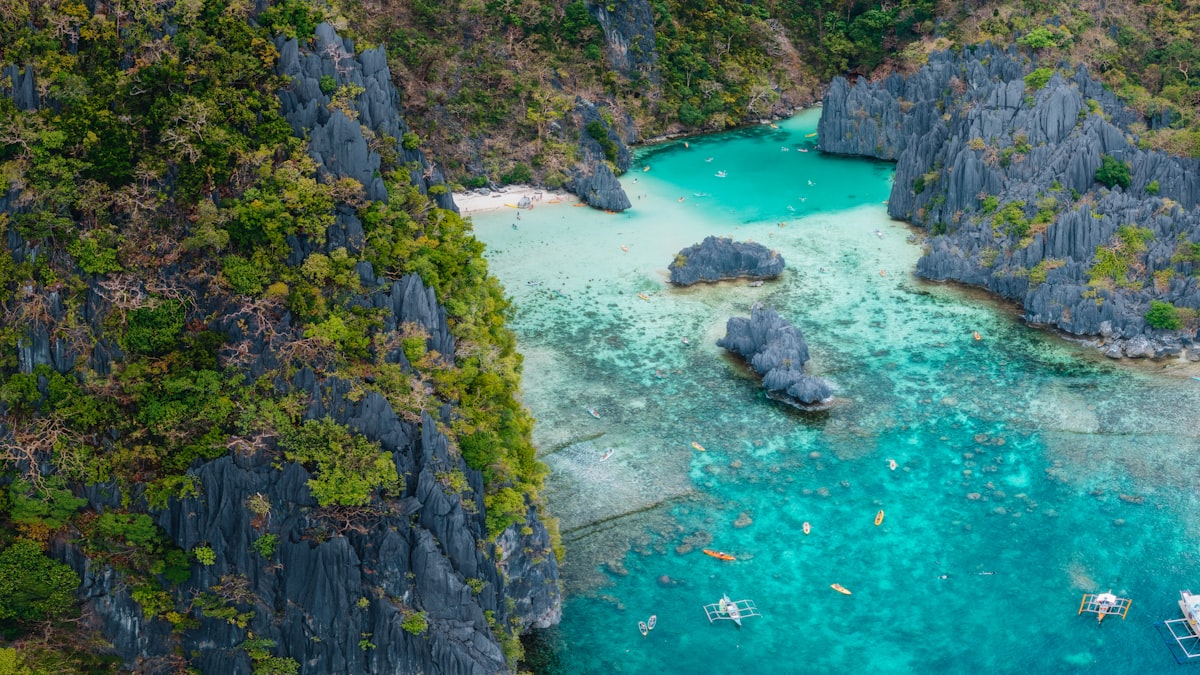
The best way to travel around the Philippines is to choose a few island bases rather than trying to collect the whole archipelago in one heroic sprint. Combine a city stop with beaches or outdoor adventures, leave room for weather delays, and sort out transport and mobile data before each transfer.
Manila, Palawan, Cebu, Boracay and Siargao all offer very different trips. They also sit far enough apart that the route between them matters just as much as your list of beaches.
Which places should you include in your itinerary?
Choose destinations that match what you actually want to do, then build a route with as little backtracking as possible. The Philippines is not one continuous sightseeing trail, and a map can make island-hopping look far simpler than it is.
Manila is the main international gateway and worth more than an airport dash if you enjoy history, galleries and energetic food neighbourhoods. Intramuros is the obvious starting point for colonial-era landmarks, while the wider metropolitan area gives you an immediate lesson in Philippine scale and traffic. Stay near the airport before an early flight rather than trusting a short distance on the map.
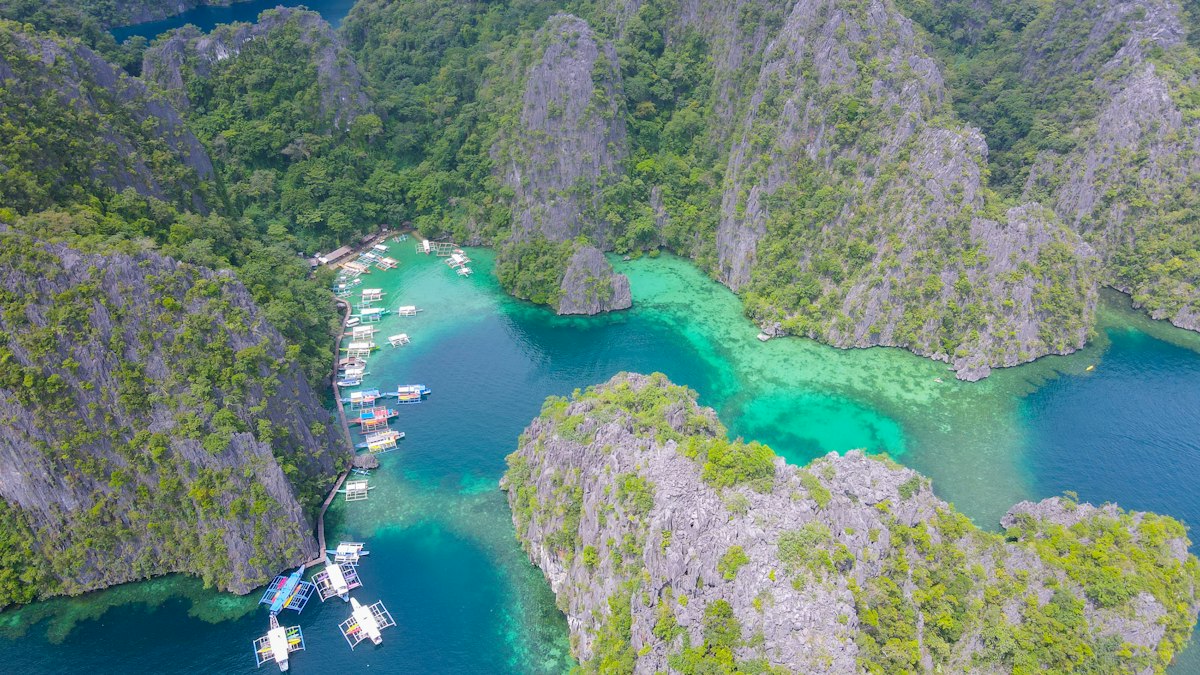
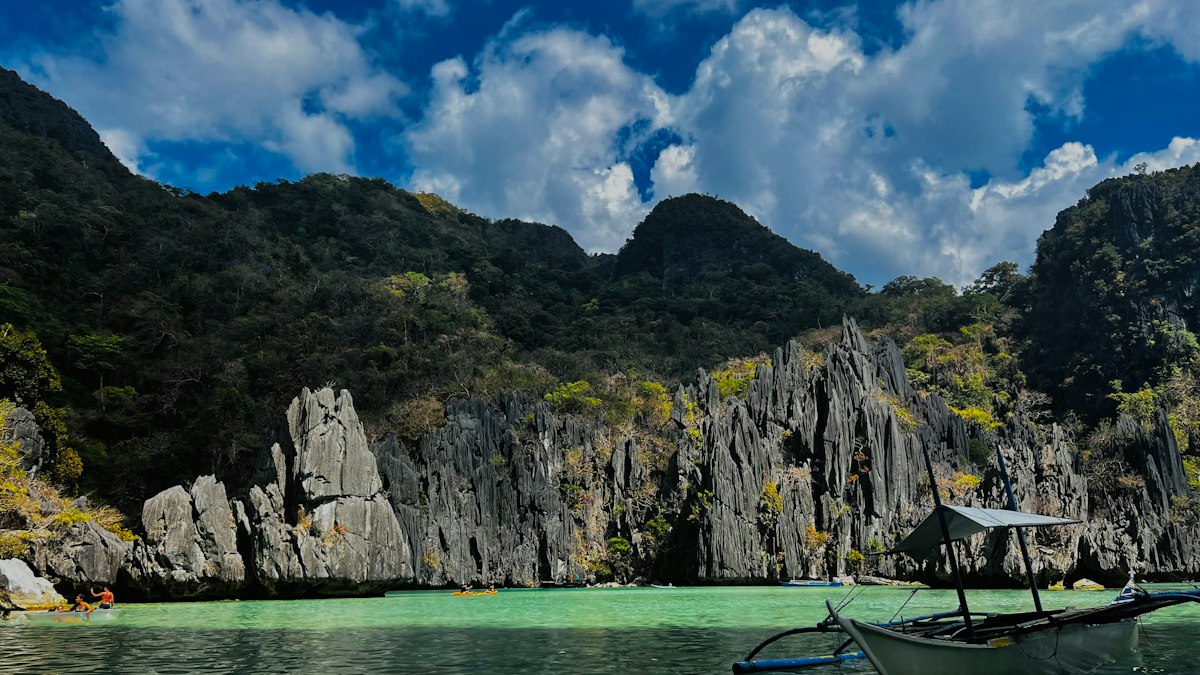
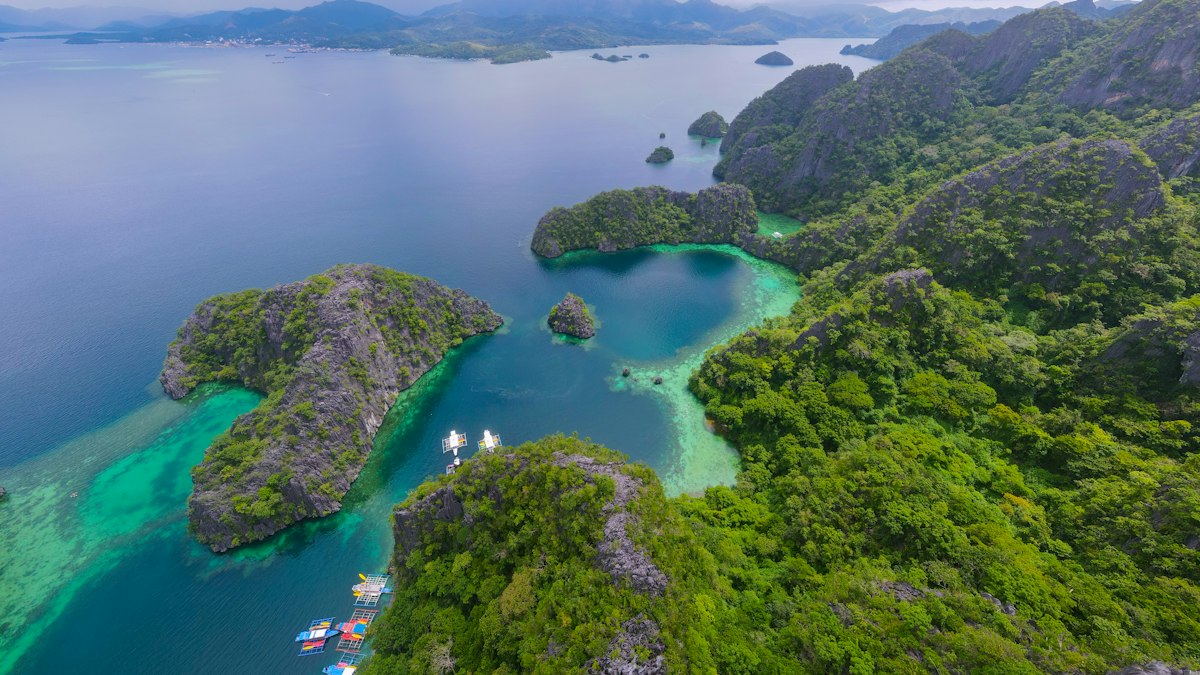
Palawan suits travellers looking for limestone cliffs, lagoons, snorkelling and boat trips. El Nido and Coron are separate bases with different excursion areas, so check transfer times before casually adding both. Puerto Princesa is another arrival point and the gateway for trips elsewhere on the island.
Cebu works well as a transport hub and a destination in its own right. Cebu City has historic sights and excellent access to regional food, while the wider province offers diving, waterfalls and coastal stays. Some popular outdoor activities involve long road transfers, so ask where a tour actually begins.
Boracay is the straightforward choice for a polished beach break. White Beach is the headline, but different sections of the island vary in atmosphere. It is compact and popular, making it better for travellers who want restaurants and organised activities close at hand than those seeking a remote castaway fantasy.
Siargao is associated with surfing, but you do not need to surf to enjoy it. Island trips, lagoons, palm-lined roads and an easy-going social scene fill the days quite effectively. Conditions for surfing and boat outings vary, so choose dates according to your priority rather than assuming every activity peaks together.
How do you travel between the islands?
You will usually combine domestic flights, ferries and local road transport. The neatest itinerary follows available connections rather than forcing every destination into a fixed order.
Use this process when planning each move:
- Check the actual departure point. A destination may be served by several airports or ports, and the closest-sounding option is not always the most practical.
- Compare the full journey. Include airport transfers, ferry terminals, check-in requirements and the final van, bus or tricycle ride.
- Read baggage rules directly. Domestic airlines and small aircraft may have different cabin and checked-baggage limits.
- Confirm ferry conditions near departure. Schedules can change because of weather, sea conditions or operational decisions.
- Build in a buffer before an international flight. A tight island connection is exciting only until the ferry stops running.
- Keep booking details offline. Save screenshots of tickets, accommodation addresses and terminal instructions.
Flights cover the larger jumps. Ferries make sense between islands with established sea routes, while buses and shared vans connect ports, towns and beach areas. Tricycles are common for short local journeys, though luggage can turn a charming little ride into an advanced packing exercise.
Avoid assuming that every boat advertised locally is a scheduled passenger ferry. Ask about life jackets, weather policy, passenger capacity and where the trip ends before boarding.
When is the best time to visit the Philippines?
The best time depends on the island, because weather patterns vary across the country. Many areas have a broadly drier period and a wetter period, but Siargao does not necessarily follow the same pattern as Palawan or Boracay.
Typhoons can disrupt flights, ferries and tours, particularly during the wetter part of the year, although storms do not observe tidy tourism calendars. Before and during your trip, check forecasts and advisories from PAGASA, the Philippine national weather service, alongside messages from your airline, ferry operator and accommodation.
For beach plans, look beyond the rain symbol:
- Wind and sea conditions affect boat tours, diving and ferry crossings.
- Heavy rain inland can affect roads, waterfalls and river activities.
- Strong sun remains possible on cloudy days, so carry sun protection.
- Air-conditioning can be surprisingly enthusiastic; a light layer earns its place.
- Dry bags or waterproof pouches are useful on small boats and sudden downpours.
If a particular boat trip is the centrepiece of your holiday, schedule it early in your stay. You then have another chance if conditions cancel the first attempt.
How should you plan beaches and adventure activities?
Book reputable operators and match the activity to your swimming ability, fitness and comfort with the sea. A beautiful social-media clip rarely includes the slippery approach, the current or the early start.
For island-hopping, ask what the trip includes, how large the group may be and whether snorkelling equipment and safety gear are available. Do not touch coral or stand on it, and keep your distance from wildlife even when a guide is keen to produce a photograph.
Diving conditions and operator standards vary. Check current credentials, equipment condition, emergency procedures and whether the proposed site suits your certification and recent experience. If you have not dived for a while, say so. Pride is not especially buoyant.
For surfing in Siargao, choose a break suited to your level and seek local instruction rather than copying experienced surfers. Reef, tide and crowd conditions can change throughout the day.
Waterfalls and canyon activities around Cebu can involve wet rocks, jumps and strong flows. Use protective equipment where supplied, follow local closure notices and skip any jump you dislike. There is no medal ceremony at the bottom.
Is the Philippines safe for independent travellers?
Most visitors travel without serious trouble, but sensible planning matters and conditions are not identical across the country. Check your government’s current travel advice for regional warnings, including any areas where non-essential travel is discouraged.
In cities and crowded terminals, keep phones and wallets secure and use transport arranged through recognised operators, official desks or your accommodation. At night, know how you are getting back before you leave, particularly in places where local transport becomes limited.
Other useful precautions include:
- Share your route and accommodation details with someone you trust.
- Use registered guides for remote hikes, caves and water activities.
- Carry copies of important documents separately from the originals.
- Drink treated or sealed water if you are unsure of the local supply.
- Use mosquito repellent and seek current medical advice before travel.
- Follow evacuation orders and local instructions during severe weather.
Travel insurance should reflect what you plan to do. Read the exclusions for diving, surfing, motorbike use and other adventure activities rather than discovering them after an accident. If hiring a scooter, confirm licence requirements, wear a helmet and inspect the vehicle first.
How can you keep the trip within your budget?
Control your budget by reducing rushed transfers and checking the full details of each booking. Frequent flights, private boats and last-minute changes can consume more of your travel fund than ordinary meals or local rides.
Compare current listings directly because rates and inclusions change. Check whether accommodation includes airport or port transfers, whether tours include environmental or terminal charges, and whether baggage must be added separately. A room farther from the beach may also require repeated transport, so the headline figure never tells the whole story.
Cards are widely useful in larger cities and established resorts, but smaller businesses, drivers and rural areas may rely on cash. Keep a modest reserve in separate places, ask your bank about overseas and cash-machine fees, and decline unrecognised payment links sent through informal messages.
The easiest saving is also the least glamorous: stay longer in fewer places. You spend less time in terminals and more time swimming, eating or doing absolutely nothing under a palm tree, which was presumably part of the plan.
Will your phone and eSIM work in the Philippines?
An eSIM can provide convenient mobile data in the Philippines, but performance depends on your device, location and the local network available there. Coverage is usually easier to find in cities and established tourism areas than on remote roads, offshore islands or secluded beaches, so check current network maps for your route.
Before leaving home:
- Confirm that your phone supports eSIM through the manufacturer’s specifications.
- Check that the handset is unlocked by contacting your mobile provider.
- Install the eSIM while you have reliable Wi-Fi, following the supplied instructions.
- Label your home SIM and travel eSIM clearly in the phone settings.
- Select the travel eSIM for mobile data after arrival.
- Turn on data roaming for the travel eSIM if its instructions require it.
- Disable mobile data switching if you do not want your home SIM used unexpectedly.
Travelling to Philippines?
- 3 GB per day · 1 day€6.60
- 1 GB per day · 3 days€6.60
- 3 GB per day · 3 days€7.70
Mobile data is useful for map pins, ride arrangements, ferry updates and messages from accommodation. Download offline maps and save essential documents anyway. On a small island, losing signal should be a mild inconvenience rather than the moment your entire itinerary disappears into the cloud.
If the eSIM does not connect, restart the phone, confirm the correct data line is selected and check the access point settings against the provider’s instructions. Network availability can differ even between nearby beaches, so ask your accommodation what travellers commonly experience at that specific location rather than relying on a country-wide coverage claim.
Travelling to Philippines?
Get an eSIM with instant data and land already connected.
Stay connected wherever you travel
Instant eSIM data plans, wherever you're going. No physical SIM, no roaming surprises.