 MochiSim
August 18, 2026
Where Should You Visit in Japan?
For a first trip to Japan, start with Tokyo, Kyoto and Osaka, then add one or two quieter places that match your interests. Matsumoto and the Kiso Valley suit walkers, Onomichi rewards slow exploration, and the Iya Valley offers rural scenery far from the main city corridor.
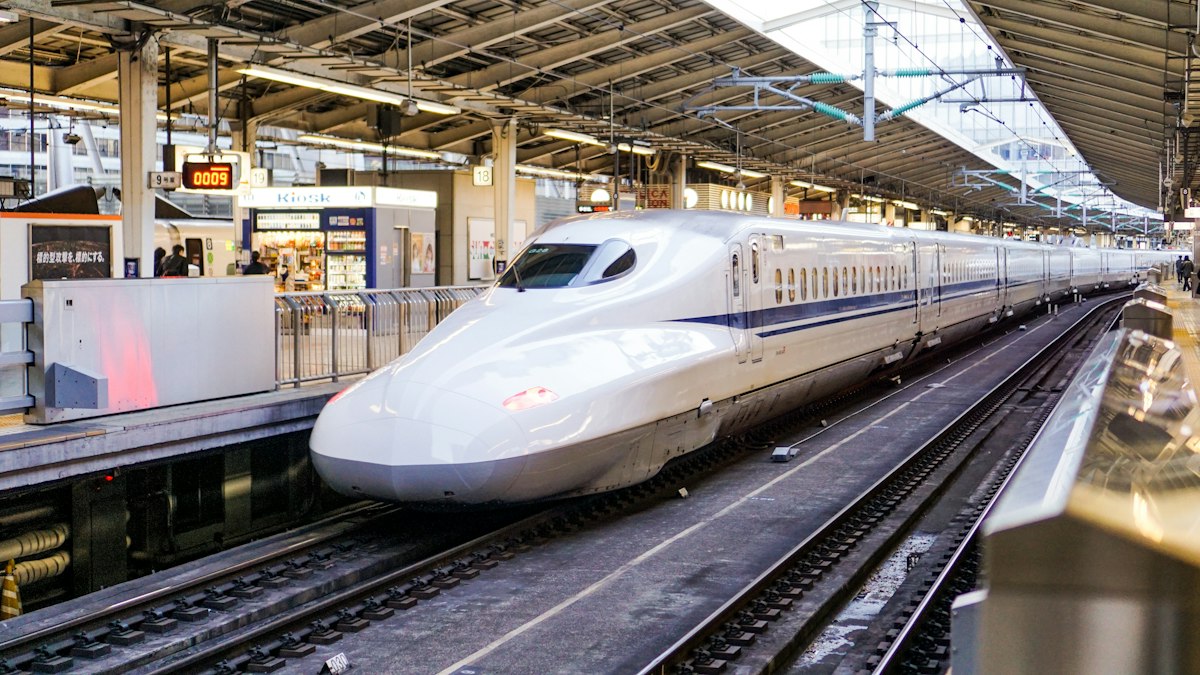
The trick is not to collect destinations like station stamps. Japan looks compact on a map, but crossing Tokyo, changing trains with luggage and finding a rural bus stop can consume more of a day than expected. Choose fewer bases and use day trips where they make sense.
Which famous Japanese cities belong on a first itinerary?
Tokyo, Kyoto and Osaka form the most practical introduction, while Hiroshima adds important history and easy access to the Seto Inland Sea.
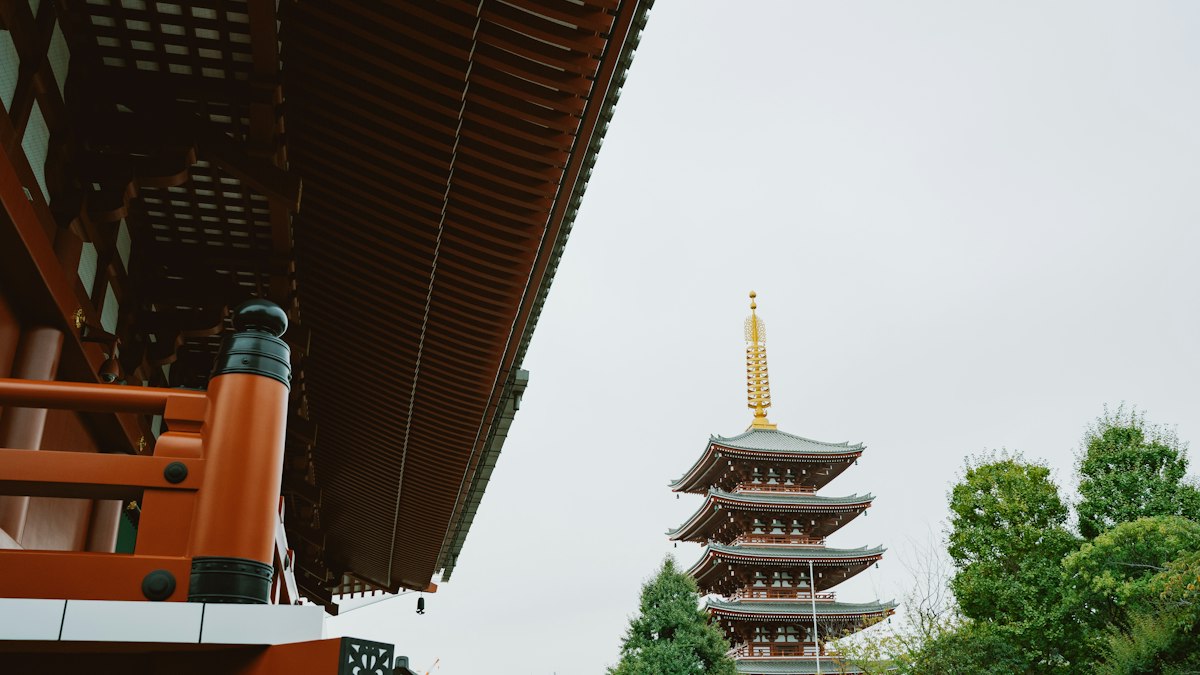
- Tokyo is less a single city experience than a collection of distinct neighbourhoods. Visit Asakusa for older streets and Sensō-ji, Ueno for museums and parkland, Shibuya and Shinjuku for modern Tokyo, and smaller areas such as Yanaka or Kiyosumi-Shirakawa when the crowds become tiring. Spring and autumn are comfortable for long days on foot, although Tokyo works in any season if you dress for the weather.
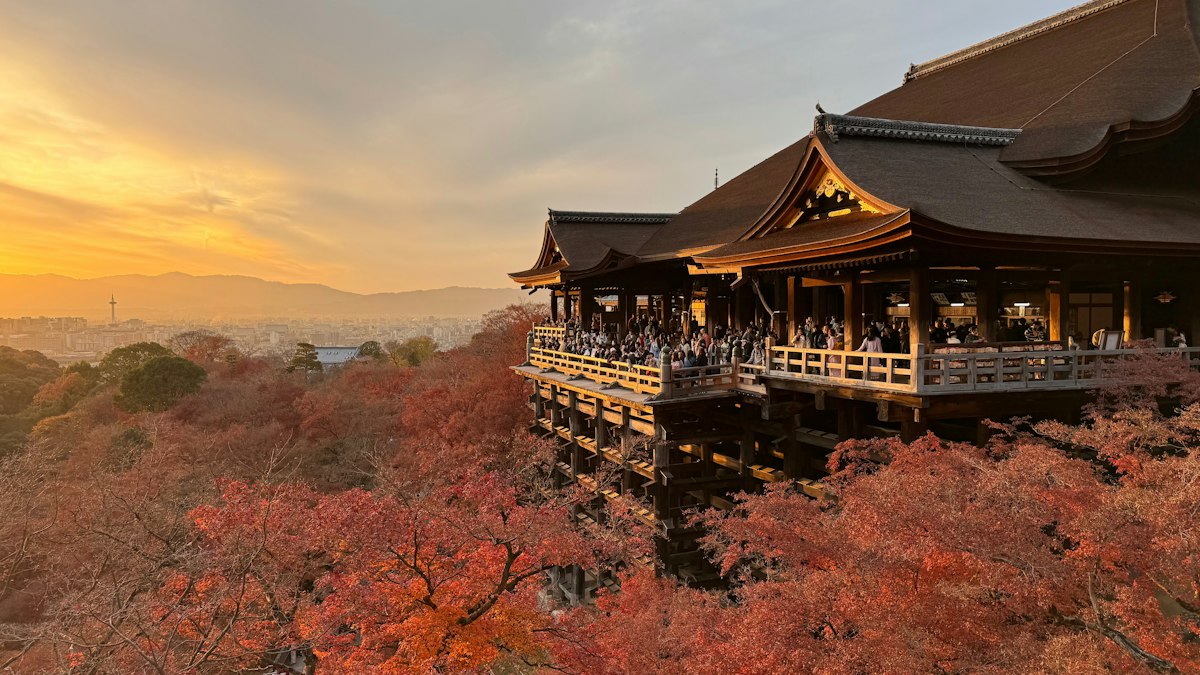
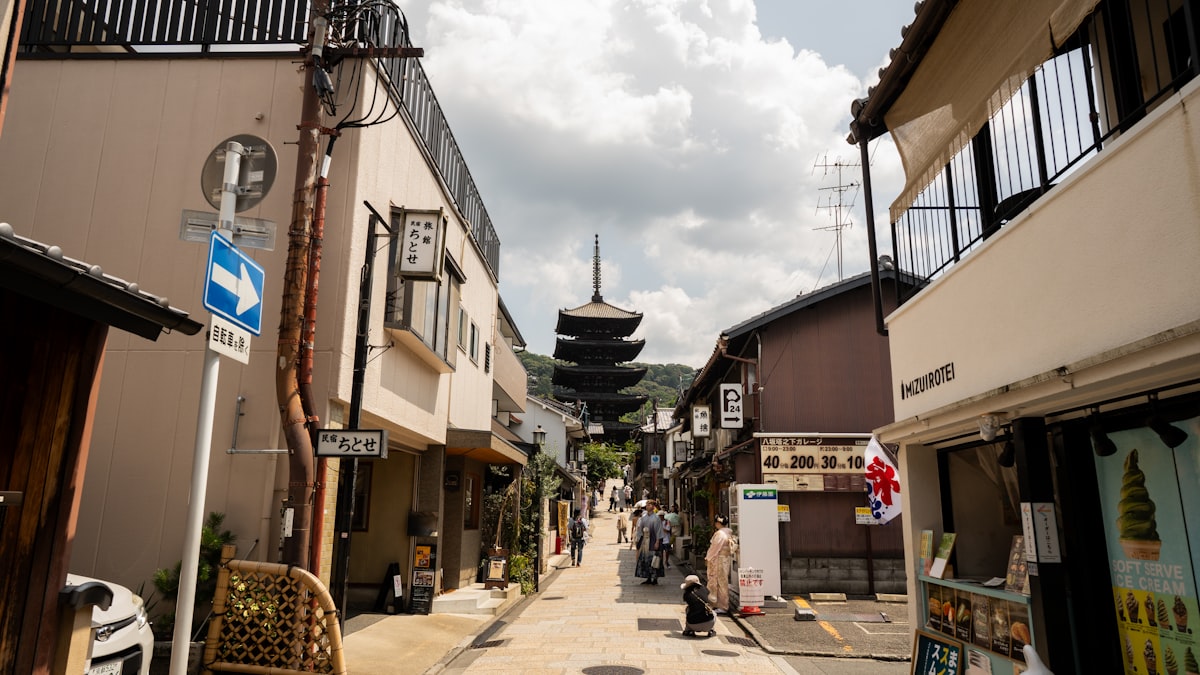
- Kyoto offers temples, gardens, traditional streets and wooded hills. Fushimi Inari, Kiyomizu-dera and the Arashiyama area are famous for good reason, but they are rarely peaceful in the middle of the day. Go early, then spend the afternoon exploring a less celebrated garden or walking beside the Kamo River. Autumn foliage and spring blossom draw heavy demand, while winter can feel calmer.
- Osaka is the lively counterpoint to Kyoto. Come for casual food, bright streets, Osaka Castle grounds and evenings around Namba. It is also a useful base for day trips to Nara, Kobe or Himeji. Summers are often hot and humid, so plan indoor breaks rather than attempting heroic sightseeing until your shirt gives up.
- Hiroshima combines the Peace Memorial Park and museum with a friendly, manageable city centre. Nearby Miyajima is known for Itsukushima Shrine, forest paths and views from Mount Misen. Spring and autumn are particularly good for walking, but check local conditions before setting out on longer trails.
Which lesser-known places are worth the detour?
Japan’s best quieter stops are places with a clear reason to visit, not merely somewhere absent from everyone else’s itinerary.
- Matsumoto and the Kiso Valley: Matsumoto has a striking original castle, mountain views and a compact centre. From there, continue towards the preserved post towns of the Kiso Valley, where sections of the old Nakasendō route can be walked between villages. Late spring and autumn are pleasant hiking periods; winter brings cold conditions and possible disruption, so check forecasts and trail information.
- Onomichi: This hillside port faces islands in the Seto Inland Sea. Its appeal lies in temple paths, steep lanes, small cafés and waterfront wandering rather than a packed attractions list. It is also a gateway to the Shimanami Kaido cycling route. Spring and autumn usually offer better conditions for cycling than the hottest part of summer.
- Morioka and Kakunodate: Morioka makes a relaxed base in northern Honshu, with local noodles, historic buildings and access to the wider Tohoku region. Kakunodate is known for its preserved samurai district and weeping cherry trees. Blossom timing varies every year, so follow current forecasts rather than planning around a fixed date.
- The Iya Valley: Deep in Shikoku, the Iya Valley has forested slopes, old vine bridges and scattered mountain settlements. It suits travellers comfortable with slower transport and winding roads. A hire car can simplify the visit, but check licence requirements, road conditions and parking before committing.
- Kagoshima: This southern city looks across the water towards volcanic Sakurajima. Take the ferry, visit gardens around the city and use Kagoshima as a starting point for southern Kyushu or Yakushima. Volcanic activity and island weather can affect plans, so consult official local updates.
When is the best season to visit Japan?
Spring and autumn suit the widest range of itineraries, but the best season depends on where you are going and what you want to do.
Spring brings mild weather in many cities and the possibility of cherry blossom. It also brings crowds, and blossom dates shift with the weather. Build the trip around places you want to see even if the flowers arrive early or late.
Summer can be hot, humid and rainy across much of the country. It is also a season of festivals, green mountain landscapes and long daylight hours. Hokkaido and higher elevations are often more comfortable than Tokyo, Kyoto and Osaka, though conditions still vary.
Autumn is excellent for walking and city sightseeing, with foliage progressing from cooler northern and mountain regions towards warmer areas. Popular viewing spots become busy, especially at weekends.
Winter is ideal for snow scenery, skiing regions, hot-spring towns and clearer days in some Pacific-facing cities. Rural transport may be less frequent, and heavy snow can change plans. Leave room for delays.
How should you plan a route through Japan?
Plan around two or three regional bases, then add day trips instead of changing hotels every night.
A balanced first route might look like this:
- Begin in Tokyo for three or four days. Give yourself time to recover from the flight, learn the railway system and explore neighbourhoods rather than racing between landmarks.
- Travel to Matsumoto or the Kiso Valley. Stay for one or two nights if you want castles, mountain scenery or a section of the Nakasendō trail.
- Continue to Kyoto for three days. Group sights by area, such as eastern Kyoto, Arashiyama and the northern temples, to avoid spending the day crossing the city.
- Use Osaka as a separate stop or day trip. Stay overnight if food and nightlife matter to you; otherwise, visit from Kyoto and avoid another hotel move.
- Finish in Hiroshima and Onomichi. Hiroshima needs at least a thoughtful full day, while Onomichi works well as a slower stop before continuing towards another region or returning east.
If you have less time, drop the mountain detour or Hiroshima rather than compressing everything. For a longer trip, extend into Tohoku, Kyushu or Shikoku. Check individual train and bus timetables, especially in rural areas, and confirm whether your preferred transport pass actually covers the services you intend to use.
Are hidden gems really worth the extra travel?
Quieter destinations are worth the detour when you genuinely enjoy what they offer, but not when you are visiting purely to avoid other tourists.
Rural Japan can involve infrequent buses, early last connections and restaurants that close or fill without much warning. English signage may be limited. None of this is disastrous, but it rewards preparation and punishes the confident assumption that another train will appear in five minutes.
Before adding a remote stop, ask yourself:
- Is there an activity, landscape or local speciality you specifically want to experience?
- Can you stay overnight rather than squeeze it into a rushed day trip?
- Have you checked current transport schedules in both directions?
- Do you have a backup plan for poor weather?
- Can your accommodation help with luggage forwarding or local reservations?
A famous place at a quiet hour can feel more rewarding than a supposedly secret village reached after three anxious connections. Kyoto at dawn still has a few tricks left.
How do you stay connected while travelling around Japan?
An eSIM can make navigation and translation easier, provided your phone supports eSIM, is unlocked and can connect to the available Japanese partner networks.
Travelling to Japan?
- 3 GB per day · 1 day€5.90
- 3 GB per day · 3 days€7.90
- 1 GB per day · 7 days€8.10
Install the eSIM before departure while you have reliable Wi-Fi, but follow the activation instructions carefully because setup timing can vary. On arrival, select the eSIM for mobile data and enable data roaming if the provider instructs you to do so. Keep your usual SIM disabled for data if you want to avoid accidental roaming through your home network.
Coverage and performance vary by network, terrain, building and device. Mountain valleys, hiking routes and remote islands may have weaker service, so download essential information in advance:
- Offline map areas for your route
- Hotel names and addresses in Japanese
- Train or bus details for rural connections
- Translation language packs
- Copies of booking confirmations
- Emergency and travel insurance contacts
Before travelling, check your phone manufacturer’s specifications for eSIM support, confirm that the handset is carrier-unlocked and review current coverage maps. A screenshot of the final bus home is not glamorous, but neither is spending the night beside a vending machine.
Travelling to Japan?
Get an eSIM with instant data and land already connected.
Stay connected wherever you travel
Instant eSIM data plans, wherever you're going. No physical SIM, no roaming surprises.