 MochiSim
July 29, 2026
What Should You Know Before Visiting Thailand?
Thailand is straightforward to visit if you avoid cramming the whole country into one trip. Choose a region that suits the weather, allow proper time for transfers, check your entry documents and keep mobile data available for maps, bookings and translation.
Bangkok, Chiang Mai and the southern beaches offer very different versions of Thailand. That variety is the appeal, but it also means your route needs more thought than simply adding pins to a map.
Where should you go in Thailand?
For a first visit, combine Bangkok with either northern Thailand or a southern beach region rather than racing between all three.
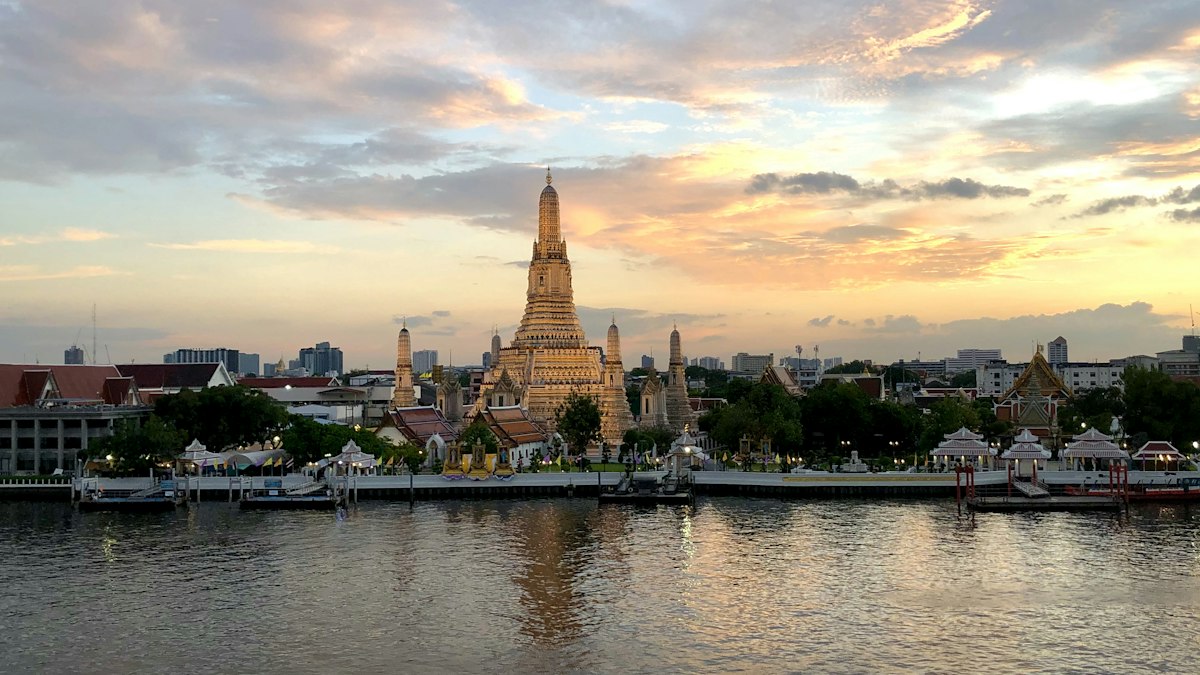
- Bangkok is the place for temples, markets, neighbourhood food, rooftop views and big-city energy. Stay near a rail station or river transport if possible; crossing the city can take longer than the map suggests.
- Chiang Mai has historic temples, cafés, markets and easy access to the mountains of northern Thailand. It generally suits travellers who want a slower pace, though the centre can still be busy.
- Phuket is a large, developed island with several distinct beach areas. It works well if you want plenty of accommodation, restaurants and organised excursions, but check the location carefully because getting between beaches takes time.
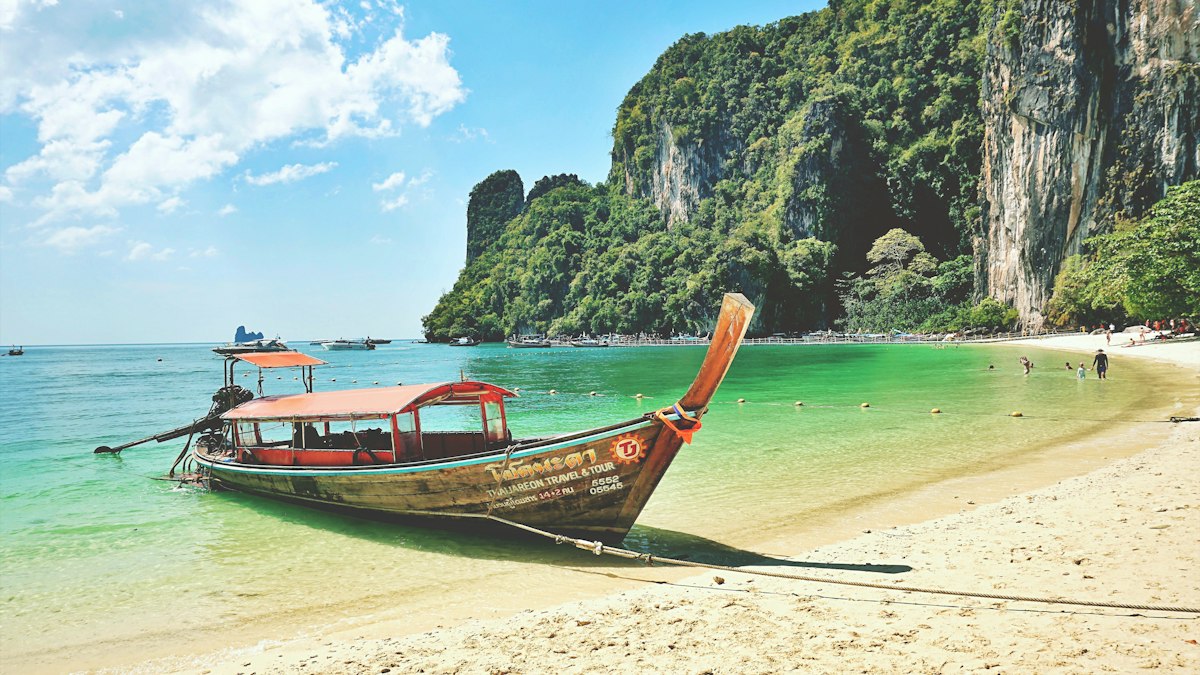
- Krabi is known for limestone scenery and boat access to beaches and islands. Krabi Town, Ao Nang and Railay offer noticeably different experiences, so do not treat “Krabi” as a single resort.
- The islands range from lively social hubs to quieter places with limited transport. Gulf islands such as Koh Samui and Andaman islands such as Koh Lanta have different weather patterns, ferry links and atmospheres.
Look at transfer time as well as distance. An island journey may involve a flight, a road transfer, a ferry and some optimistic waiting beside a pier.
When is the best time to visit Thailand?
There is no single best month for every part of Thailand because rainfall patterns differ between regions and coasts. The country is generally warm and humid, while northern evenings can feel cooler at certain times of year.
The Andaman coast, including Phuket and Krabi, does not always share the same conditions as the Gulf islands. Rain can arrive in short bursts or settle in for longer, and rough seas may disrupt boats even when the forecast looks reasonable on land.
Before choosing dates:
- Compare seasonal patterns for the specific coast or island you plan to visit.
- Check recent weather and marine forecasts close to departure.
- Monitor air quality if travelling in northern Thailand during periods of agricultural burning.
- Build flexibility into island transfers, particularly before an international flight.
A rainy forecast does not necessarily mean a ruined holiday. It does mean you should bring light waterproof clothing and avoid scheduling every boat trip for the final possible day.
What should you arrange before flying?
Check entry rules with an official Thai government or embassy source because requirements depend on your passport and can change. Confirm passport validity, visa conditions and any arrival forms shortly before you travel rather than relying on an old blog post.
Keep digital and offline copies of your passport details, insurance documents, accommodation address and onward booking. Your airline may ask for relevant travel documents before boarding.
You should also check that your phone is unlocked and supports eSIM installation. Device model names alone are not enough because regional versions can differ; look in the phone settings for an eSIM or “Add eSIM” option and confirm with the manufacturer or network provider.
Travelling to Thailand?
- 15 GB for the whole plan · 7 days€9.70
- 50 GB for the whole plan · 10 days€10.60
If you install an eSIM before departure, leave it switched off until you need it unless its activation instructions say otherwise. Save the installation details somewhere other than the phone receiving the eSIM. A screenshot trapped on an offline device is a surprisingly traditional travel problem.
How do you get around Thailand?
Use flights, trains or long-distance buses between regions, then local rail, boats, taxis or app-based rides within each destination. The best choice depends on the route, weather and how much holiday time you want to spend in transit.
Google Maps is useful for orientation and estimated journey times, but local transport information may be incomplete. Grab operates in many tourist areas and can make destinations and ride records clearer, although availability varies. Check the app where you are rather than assuming a car will appear on a quiet island road.
For each travel day:
- Confirm the exact terminal or pier. Cities and islands may have several with similar names.
- Check the full journey. Include hotel transfers, check-in time and the final ride after arrival.
- Book essential legs through a reputable operator. Ask your accommodation if you are unsure which departure point is current.
- Download the route offline. Save the destination in Thai script for a driver or ticket desk.
- Leave a buffer. Road traffic, weather and ferry changes can unravel a tight connection.
Thailand drives on the left. If you are considering a scooter, check licence and insurance requirements, wear a proper helmet and be honest about your experience. A tropical island is not a gentler place to learn road awareness.
What should you eat, and how do you handle local etiquette?
Eat beyond familiar takeaway staples, but communicate allergies and dietary restrictions clearly. Thai food varies by region, with northern dishes, southern curries, grilled meats, noodles and seafood all offering something different.
Busy stalls with food cooked freshly in front of you are often easier to assess than trays that have been sitting around. If you have a serious allergy, carry a professionally translated card and remember that sauces, stocks and cooking surfaces may contain ingredients that are not visible.
At temples, dress modestly, follow posted rules and remove your shoes where requested. Avoid climbing on religious objects or posing disrespectfully with Buddha images. Polite, calm communication goes a long way; public anger rarely improves a misunderstanding.
A few practical habits help:
- Learn simple greetings and how to say thank you.
- Use a spoon and fork as locals do when they are provided.
- Ask before photographing monks, ceremonies or people working.
- Treat the monarchy and religious traditions respectfully.
You do not need to perform every local gesture perfectly. Paying attention and taking cues from the people around you is usually enough.
How should you budget for Thailand?
Build your budget around location and travel style, because islands, private transfers and frequent domestic flights can change overall spending considerably. Accommodation near beaches or major attractions may also require more planning than a simple room search suggests.
Account for:
- International and domestic transport
- Accommodation and deposits
- Meals, drinks and dietary needs
- Ferries, taxis and hotel transfers
- National parks, temples and activities
- Travel insurance and medical needs
- Laundry, mobile data and small daily purchases
- A reserve for disrupted journeys
Cards are accepted in many established businesses, but smaller vendors and local transport may require cash. Use secure cash machines, decline unsolicited help and check any displayed fees or conversion choices before confirming a transaction.
Is Thailand safe for travellers?
Thailand is widely visited, but normal precautions still matter, especially around roads, nightlife, water activities and tourist scams. The greatest nuisance may be persistent salesmanship; the greater physical risks often come from traffic, heat, alcohol and poor decisions around the sea.
Be cautious if someone insists an attraction is closed and redirects you to a different shop, tour or transport service. Verify the claim through the venue, your accommodation or a current official listing. Agree on how a taxi journey will be charged before setting off if you are not booking through an app.
For boats and outdoor activities, check weather conditions, look at safety equipment and walk away if an operator seems careless. Travel insurance exclusions matter here, particularly for scooters, diving and other higher-risk activities.
Keep your main bank card, backup card and passport copies in separate places. Download offline maps, save your accommodation address in Thai and share important journey details with someone you trust. If local conditions change, your accommodation is often the best source for current advice on closed roads, disrupted boats or areas to avoid.
Travelling to Thailand?
Get an eSIM with instant data and land already connected.
Stay connected wherever you travel
Instant eSIM data plans, wherever you're going. No physical SIM, no roaming surprises.