 MochiSim
July 26, 2026
How Should You Spend 10 Days in Thailand?

Spend three days in Bangkok, three in Chiang Mai and four on the Krabi coast. That gives you temples, markets, northern landscapes and proper beach time without turning every morning into a race for the next departure gate.
This route works best as an open-jaw journey: arrive in Bangkok, travel north, fly south, then return to Bangkok only when your international itinerary requires it. Domestic timetables change, so confirm the exact connections before locking in accommodation.
How does the 10-day route fit together?
The cleanest route is Bangkok to Chiang Mai to Krabi, with domestic flights saving the most time between regions.
- Days 1–3: Bangkok for temples, neighbourhood food and the Chao Phraya River.
- Days 4–6: Chiang Mai for the Old City, northern cooking and an outdoor day trip.
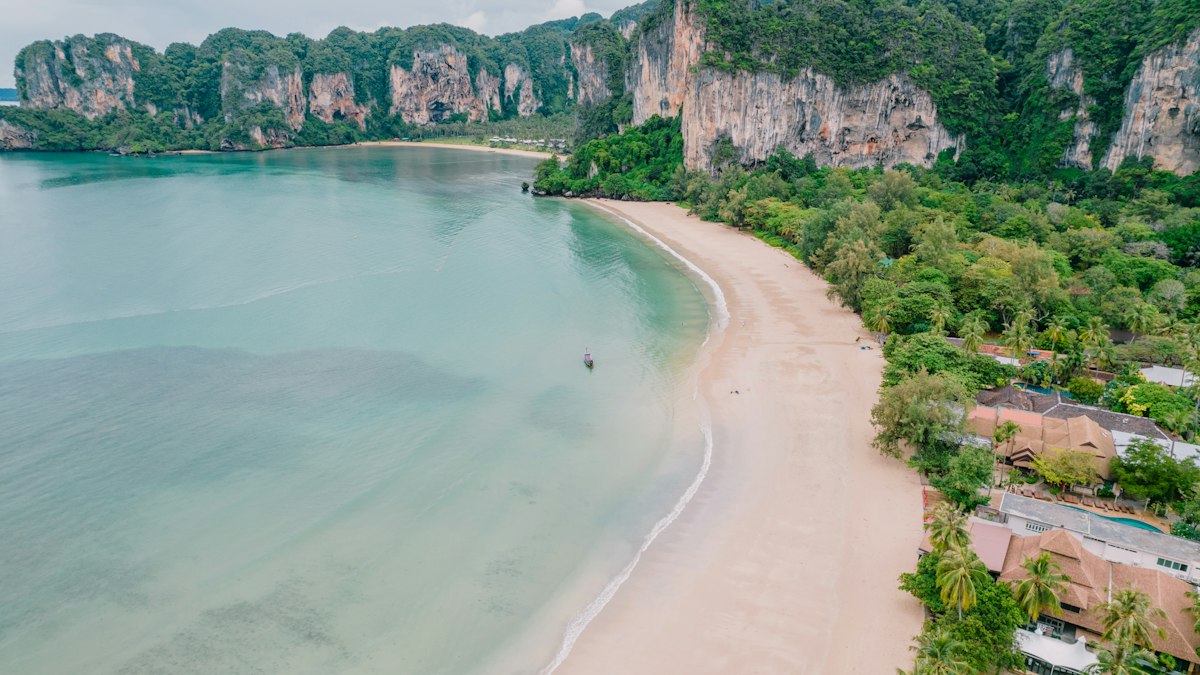
- Days 7–10: Krabi coast for limestone scenery, islands and a slower finish.
Fly or take an overnight train from Bangkok to Chiang Mai. The train adds atmosphere and saves a hotel night, but it also uses more of your limited schedule and can leave you tired on arrival. Flying is less romantic but more practical for this particular itinerary.
From Chiang Mai, flying south is usually the sensible choice. Depending on current schedules, you may find a direct service or need to connect through Bangkok. Check both the total journey time and the airport used for any connection; Bangkok has two main airports, and changing between them is not the sort of adventure this itinerary needs.
For the beach section, Krabi is a useful base because you can combine mainland accommodation with boat trips. Phuket is a workable alternative if its flight schedule suits you better, but swapping destinations halfway through planning tends to create needless transfers.
What should you do in Bangkok on days 1 to 3?
Use Bangkok’s first three days to recover from the flight, see its historic centre and explore at least one neighbourhood beyond the major sights.
Day 1: Arrive and stay local. Check in, get cash if needed and take a gentle walk near your hotel. A river ride or an early dinner is enough. Jet lag has defeated more ambitious plans than Bangkok traffic ever could.
Day 2: See the historic centre. Visit the Grand Palace area and Wat Pho, then cross or follow the river to another temple or neighbourhood. Dress rules apply at many religious sites, so cover your shoulders and knees and check current visitor requirements before setting out. Go early if you prefer cooler conditions, but verify opening information on the official site.
Day 3: Choose your version of Bangkok. You could explore Chinatown and Talat Noi, browse a market, join a food walk or visit one of the city’s contemporary art spaces. Avoid cramming distant attractions into one day. Bangkok journeys that look short on a map can expand mysteriously once traffic gets involved.
For accommodation, choose according to how you want to move around:
- Riverside: atmospheric and convenient for river boats, though less direct for some rail journeys.
- Old Town: close to major temples, with fewer rapid-transit options in some streets.
- Sukhumvit or Silom: practical for urban rail, restaurants and an easy first visit.
Use public rail and river boats where they suit the route, then metered taxis or reputable ride-hailing services for awkward gaps. Check the vehicle and driver details before getting in.
How should you spend days 4 to 6 in Chiang Mai?
Give Chiang Mai one city day and one full day for the surrounding countryside, with your arrival day kept deliberately light.
Day 4: Travel north. After checking in, wander through the Old City, stop at a temple and find dinner at a market or northern Thai restaurant. If you arrive by overnight train, resist scheduling a major excursion immediately.
Day 5: Explore the city. Visit a small selection of Old City temples rather than trying to collect them all. Add a cooking class, craft workshop or food tour in the afternoon. Markets vary by day and season, so check what is actually operating during your stay.
Day 6: Head outdoors. Options include hiking, cycling, rafting in suitable conditions or visiting Doi Suthep and the surrounding highlands. Choose a licensed operator, read recent reviews and ask what happens if weather makes the activity unsafe.
Elephant experiences require particular care. Avoid venues offering rides, performances or forced close contact. Look for transparent welfare policies, limited visitor interaction and independent recent reporting rather than relying on the word “sanctuary” in a name.
Stay in the Old City for walkability and historic atmosphere, Nimman for cafés and a more contemporary neighbourhood, or near the riverside for a quieter base. Chiang Mai is spread out beyond the centre, so confirm whether your tour includes hotel collection or names a meeting point.
Which beaches work best for days 7 to 10?
Base yourself around Ao Nang or Railay for the final four days, using one day for an island trip and keeping another flexible for weather.
Day 7: Fly south and settle in. Transfer to your chosen base, check in and watch the light change over the limestone cliffs. This is not the evening to book three separate boat excursions.
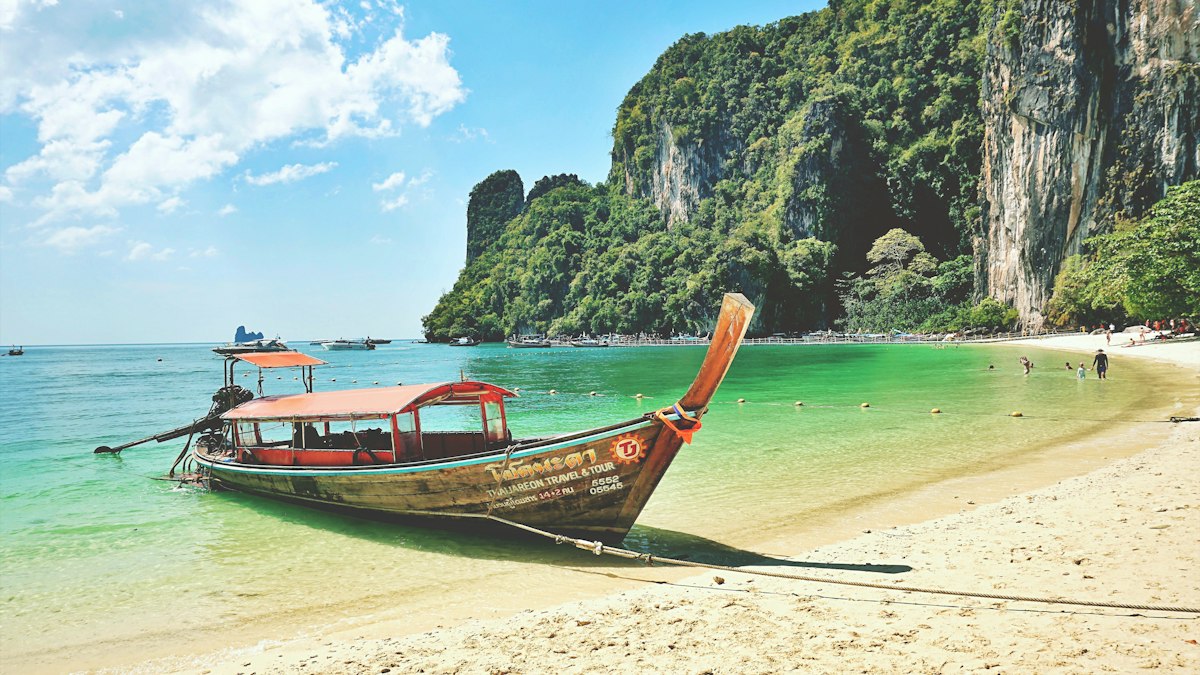
Day 8: Take an island or coastal boat trip. Routes may include swimming, snorkelling and beach stops, but the exact experience depends on sea conditions, season and the operator. Ask about group size, safety equipment, environmental rules and what is included before booking.
Day 9: Pick an adventure or do very little. Railay is known for dramatic cliffs and has climbing options for different experience levels through local operators. Kayaking and mainland nature trips may also be available. If the weather is poor, switch to a spa, cooking class or unhurried lunch rather than treating the forecast as a personal insult.
Day 10: Depart. Travel to Krabi Airport for a domestic connection or onward flight. If your international journey leaves from Bangkok, build a generous buffer and consider spending the previous night there when the tickets are separate. Airlines are not obliged to rescue an itinerary they did not issue together.
Choose Ao Nang for the broadest selection of restaurants, transfers and tour departures. Pick Railay for a more scenic, beach-focused stay reached by boat. Krabi Town suits travellers who prefer a local urban base and do not need to step directly onto sand each morning.
Is covering Bangkok, Chiang Mai and the islands too rushed?
It is busy but manageable if you limit the trip to three bases and accept that transfer days are part of the itinerary.
The route becomes exhausting when you add extra overnight stops: Ayutthaya, Pai, Chiang Rai and multiple islands may all look close enough on a screen, but every hotel change means packing, checking out, waiting and finding another transfer. Ten days rewards editing.
If you dislike flying or want more depth, cut one region. Bangkok plus Chiang Mai makes a strong culture-and-food trip, while Bangkok plus Krabi gives you an easier city-and-beach holiday. During periods of unsettled coastal weather, you might also prefer extra time in the north. Conditions differ between Thailand’s coasts, so check seasonal guidance for your exact destination rather than relying on a single “best time for Thailand” claim.
What should you arrange before travelling?
Book the journeys that hold the route together first, then leave smaller activities flexible enough to respond to weather and energy levels.
- Check entry requirements using official Thai government or embassy sources for your passport and travel dates.
- Confirm domestic transport before reserving non-refundable stays, especially the Chiang Mai-to-Krabi leg.
- Choose accommodation areas based on transport, not just photographs of the pool.
- Review travel insurance for medical care, cancellations and any planned adventure activities.
- Check your phone is unlocked and supports eSIM installation. Compatibility varies by device model and sales region, so use the manufacturer’s settings or support pages rather than assuming.
- Install your eSIM before departure while you have reliable Wi-Fi, but follow its activation instructions so the plan does not begin earlier than intended.
- Download essentials offline: booking confirmations, maps, insurance details and your accommodation address in Thai.
Travelling to Thailand?
- 15 GB for the whole plan · 7 days€9.70
- 50 GB for the whole plan · 10 days€10.60
On arrival, select the eSIM for mobile data and enable data roaming for that line if its instructions require it. Keep your home SIM switched off for data unless you understand your provider’s roaming terms. Network availability varies by place, terrain and local conditions, so save the details of your first hotel before leaving the airport.
Travelling to Thailand?
Get an eSIM with instant data and land already connected.
Stay connected wherever you travel
Instant eSIM data plans, wherever you're going. No physical SIM, no roaming surprises.