 MochiSim
July 27, 2026
Phuket, Krabi, Koh Samui or Koh Tao?
Choose Phuket for the widest range of beaches, activities and nightlife; Krabi for limestone scenery and day trips; Koh Samui for a polished resort holiday; or Koh Tao for diving and a compact island atmosphere. Phuket and Krabi sit on Thailand’s Andaman coast, while Koh Samui and Koh Tao are in the Gulf of Thailand, so weather and transfer plans may settle the argument for you.
One useful correction before we begin: Krabi is a province, not an island. Most visitors base themselves around Ao Nang, Railay or Krabi Town and explore the coast and nearby islands from there.
Which destination suits you at a glance?
Each destination has a fairly distinct personality, despite the shared ingredients of beaches, boats and someone trying to sell you a coconut.
- Phuket: Best when you want plenty of choice. It has developed beach towns, restaurants, shopping, nightlife, family attractions and access to boat trips. The island is large, so your choice of neighbourhood matters.
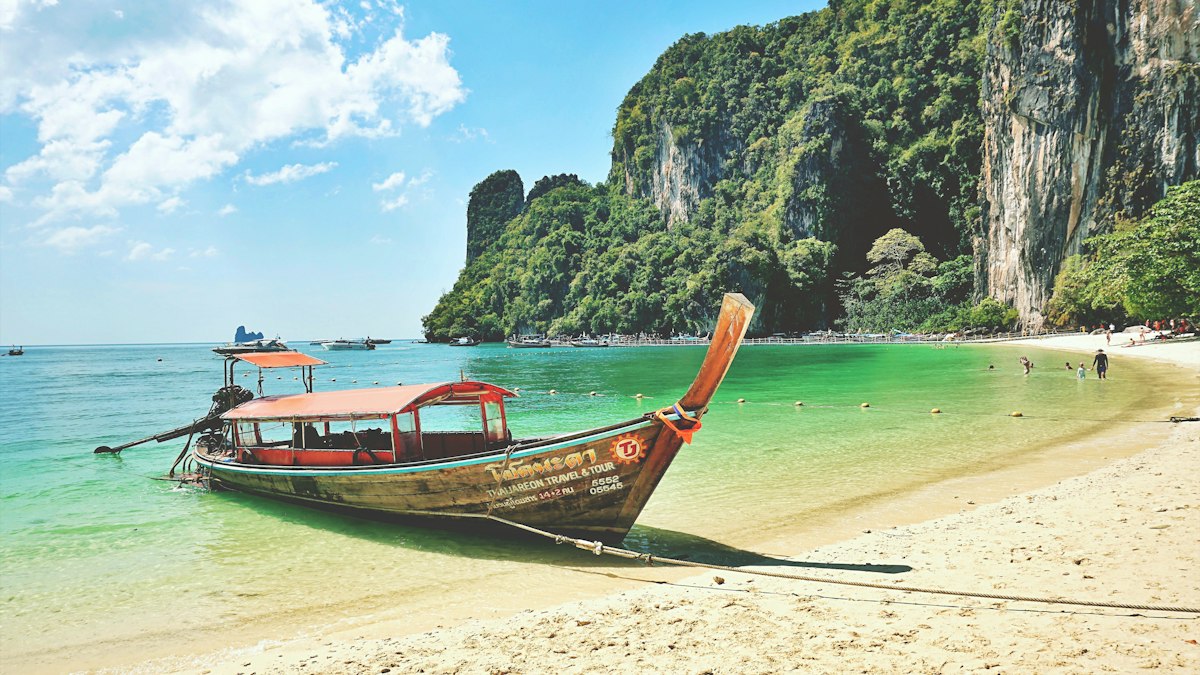
- Krabi: Best for dramatic scenery and an active trip. Think limestone cliffs, long-tail boats, kayaking, climbing and island excursions, with Ao Nang acting as the practical base for many travellers.
- Koh Samui: Best for an easy resort break. You get an airport, a broad range of accommodation, established beach areas and enough restaurants and activities to avoid feeling marooned.
- Koh Tao: Best for diving, snorkelling and a smaller-island rhythm. It attracts learners, experienced divers and travellers who do not mind arriving by ferry.
Families and first-time visitors often appreciate the convenience of Phuket or Koh Samui. Couples drawn to scenery may prefer Krabi, while solo travellers and divers often find Koh Tao easy to settle into.
Where will you find the best beaches and scenery?
Krabi has the most immediately theatrical scenery, but the best beach for you depends on whether you want facilities, quiet water or a dramatic backdrop.
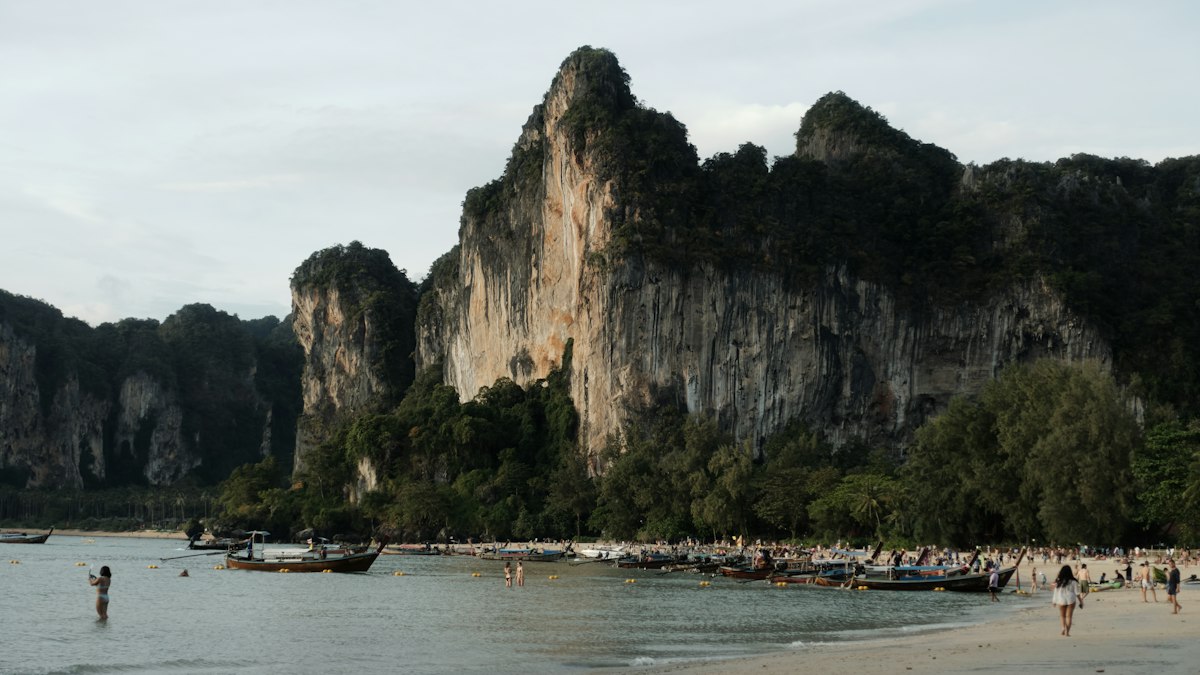
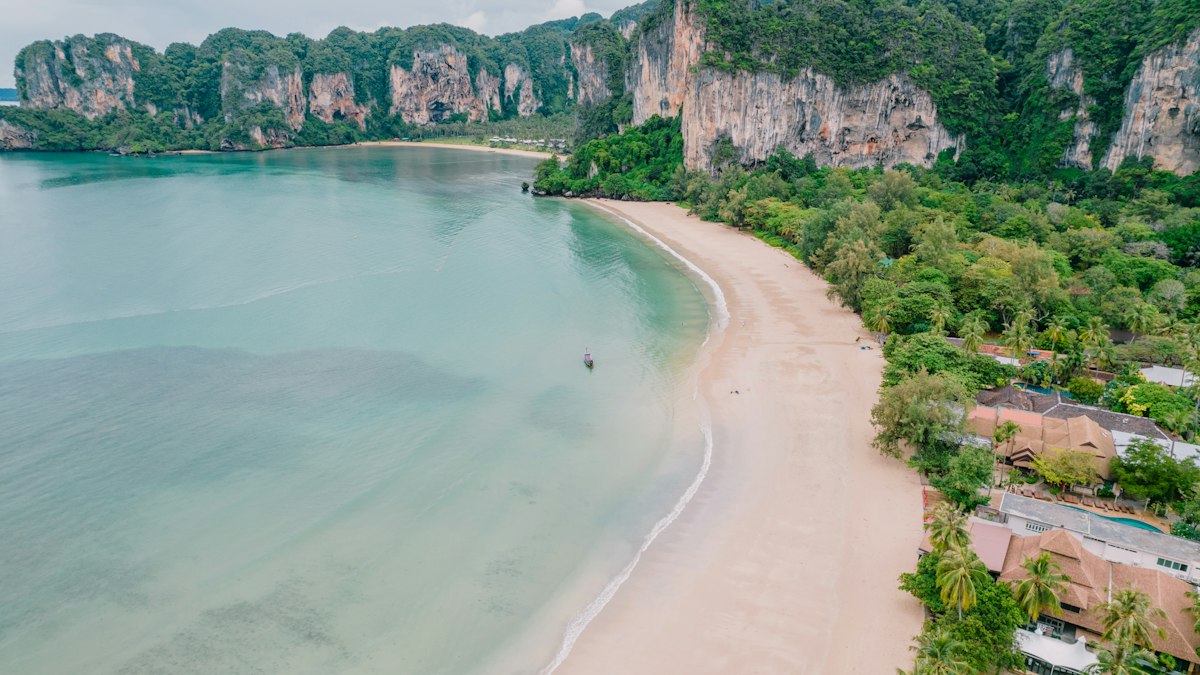
Around Krabi, Railay is framed by sheer limestone cliffs and reached by boat, despite being attached to the mainland. Ao Nang is more useful as a base than as a castaway fantasy, with boats leaving for nearby beaches and islands. Conditions and crowd levels vary, so an early start helps on popular day trips.
Phuket offers the greatest variety. Patong is busy and built-up, Kata and Karon balance beach time with restaurants and services, and Nai Harn has a more relaxed setting. Quieter stretches exist, but Phuket’s size means you should check the map rather than assuming every beach is a short stroll away.
Koh Samui’s best-known beach areas include Chaweng, Lamai and Bophut. Chaweng has the most going on, while other parts of the island feel calmer and more residential. The less-developed south and west can suit travellers who are happy with fewer places within walking distance.
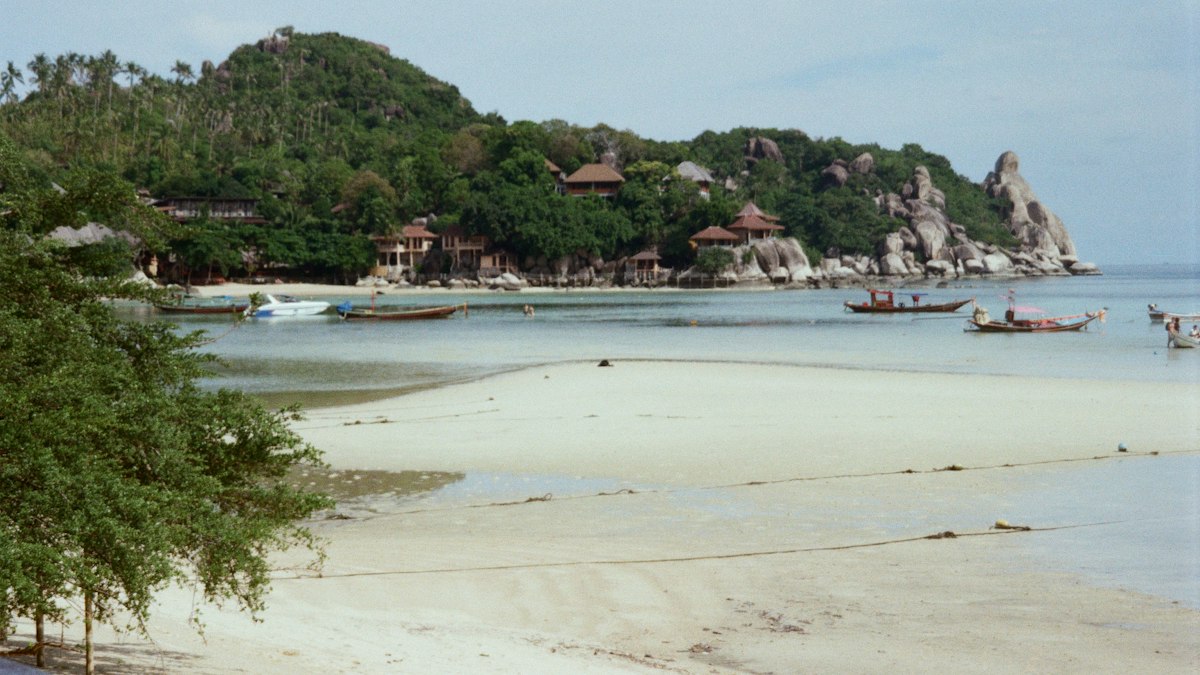
Koh Tao has smaller bays rather than endless sweeps of sand. Sairee is the social hub, while coves elsewhere around the island are popular for snorkelling. Access can involve steep roads, boats or a determined walk, and sea conditions sometimes make one side of the island more appealing than another.
Which is best for activities, diving and nightlife?
Koh Tao is the obvious diving choice, while Phuket has the broadest mix of nightlife and non-beach activities.
Koh Tao has numerous dive operators offering training and guided trips. Do not choose solely on convenience: ask about instructor credentials, group sizes, equipment checks, insurance requirements and how the operator responds when conditions are poor. Snorkelling is also a major draw, although visibility and access are never guaranteed.
Krabi is particularly good for active days. Railay is known for rock climbing, while kayaking, boat trips and walking trails provide alternatives for anyone whose holiday ambitions do not involve hanging from a cliff. Check local conditions and use established guides for technical activities.
Phuket combines water sports and excursions with Old Town streets, markets, viewpoints and trips towards Phang Nga Bay. Patong has the loudest nightlife of these destinations, but staying there is not compulsory. Base yourself elsewhere and visit when the mood takes you.
Koh Samui sits between Phuket’s variety and Koh Tao’s specialist appeal. You can visit temples, waterfalls and viewpoints, book boat trips towards Ang Thong Marine Park, or spend the day doing very little beside the sea. Chaweng has the main nightlife scene, while Bophut and other beach areas are generally more restrained.
How does the weather differ between the two coasts?
Phuket and Krabi usually share one seasonal pattern, while Koh Samui and Koh Tao follow another, so one coast may suit your dates better than the other.
The Andaman coast around Phuket and Krabi is generally drier from late in the year into the first part of the next, with wetter and rougher conditions more likely during the middle and later months. The Gulf islands often have useful beach weather when the Andaman side is unsettled, but Koh Samui and Koh Tao tend to experience their wetter spell later in the year.
These are patterns, not appointments. Tropical rain can arrive during a supposedly favourable week, and a wet-season day can still contain hours of sunshine. Rough seas matter more than a shower because they can disrupt ferries, diving and small-boat trips.
Before travelling, check:
- The short-range forecast for the specific island, not Thailand as a whole
- Marine conditions if you are taking a ferry or boat excursion
- Messages from your accommodation or transport operator
- Whether your booking can be adjusted if conditions deteriorate
Which destination is easiest on your budget?
Krabi is often the simplest place to keep daily spending under control, but where you stay and how often you take boat trips matter more than the destination name.
Phuket has accommodation and food for many travel styles, yet its size can make transport a significant part of the trip. Staying near the beach and restaurants you actually want reduces repeated cross-island journeys.
Ao Nang is relatively straightforward to navigate, and Krabi Town can suit travellers who care more about local food and transport links than waking beside the sand. Boat excursions, climbing and island tours can quickly become the main drain on your budget, so choose the outings you genuinely want rather than collecting them like loyalty stamps.
Koh Samui also offers plenty of choice, but resort areas and private transport can increase daily outgoings. A scooter may look like an easy solution, though it is a poor economy if you are inexperienced, unlicensed or uninsured.
Koh Tao can work well when diving is the main purpose of your trip because accommodation, dive shops and social life are concentrated in a small area. Remember to account for the ferry connection and any onward travel. Island logistics also mean everyday items may not stretch your budget as far as they do on the mainland.
Should you try to visit all four in one trip?
Usually not, unless you have plenty of time and actively enjoy transfer days. Phuket and Krabi pair naturally on the Andaman side, while Koh Samui and Koh Tao make the more logical Gulf combination.
Crossing from one coast to the other can involve a flight or a chain of road and ferry connections. That is manageable, but it consumes time that could otherwise be spent swimming, diving or staring nobly at a sunset.
For a shorter holiday, choose one base or one coastal pair:
- Phuket and Krabi: Good for varied beaches, scenery and a mix of lively and active days
- Koh Samui and Koh Tao: Good for combining resort comfort with diving or snorkelling
- Phuket alone: Good when a group has competing interests
- Krabi alone: Good when scenery and excursions are the priority
- Koh Samui alone: Good when you want an uncomplicated beach base
- Koh Tao alone: Good when most of the trip revolves around the water
How should you choose and get connected before you go?
Choose your coast first, then check the transfer, forecast and phone setup before you commit.
- Name your main priority. Pick diving, nightlife, scenery, resort time or family convenience. If everything is equally important, Phuket has the broadest range.
- Check the season for each coast. Compare recent forecasts and marine conditions rather than relying only on a generic monthly chart.
- Map the full transfer. Include the journey from the airport or station to your accommodation, especially when a ferry is involved.
- Choose the neighbourhood before the hotel. A lovely room is less useful when every meal requires a long ride.
- Confirm essential activities directly. Dive trips, ferries and boat tours can change with weather and demand.
- Prepare your phone before departure. Check that it is unlocked and supports eSIM in the manufacturer’s settings or documentation. Installation is usually easiest on reliable Wi-Fi.
Travelling to Thailand?
- 15 GB for the whole plan · 7 days€9.70
- 50 GB for the whole plan · 10 days€10.60
Mobile service is usually easiest in established towns and beach areas, but coverage can weaken in secluded coves, on boat journeys and around steep terrain. Keep offline copies of your accommodation address, ferry details and important bookings; the sea is not obliged to provide signal simply because your boarding pass lives in an app.
Travelling to Thailand?
Get an eSIM with instant data and land already connected.
Stay connected wherever you travel
Instant eSIM data plans, wherever you're going. No physical SIM, no roaming surprises.