 MochiSim
August 13, 2026
What Should You Know Before Visiting Malaysia?

Malaysia is straightforward to visit when you plan around its distances, tropical weather and mix of cities, islands and rainforest. Check current entry requirements, build some flexibility into your route, and sort out mobile data before arrival. The hardest part may be accepting that you cannot eat everything in Penang in one afternoon.
How should I plan a first trip to Malaysia?
Start by choosing one region rather than treating Malaysia as a compact country. Kuala Lumpur, Penang and Langkawi are on the peninsula, while Sabah and Sarawak lie across the South China Sea on the island of Borneo. Travelling between them usually involves a flight, and Borneo itself is large enough to punish an overambitious itinerary.
Before departure, check Malaysia’s official immigration website and your government’s travel advice. Entry rules, passport validity requirements and digital arrival procedures can change. Do not rely on a screenshot from an old blog post, however confidently it uses bold type.
Malaysia is warm and humid throughout the year, with rain possible in any month. Monsoon patterns differ between the west coast, east coast and Borneo, so there is no single weather rule for the whole country. Look up the seasonal conditions for your exact destinations, particularly if ferries, diving, hiking or small coastal roads matter to your plans.
Pack light clothing, a thin layer for heavily air-conditioned interiors, sun protection and something genuinely useful in a downpour. A folding umbrella often earns its luggage space. Mosquito repellent is sensible, especially around forests, mangroves and at dusk.
Where should I go in Malaysia?
Choose Kuala Lumpur for a busy city introduction, Penang for food and heritage streets, Langkawi for an island break, and Malaysian Borneo for wildlife and landscapes. Each suits a different sort of trip, and combining all four requires more time than the map appears to suggest.
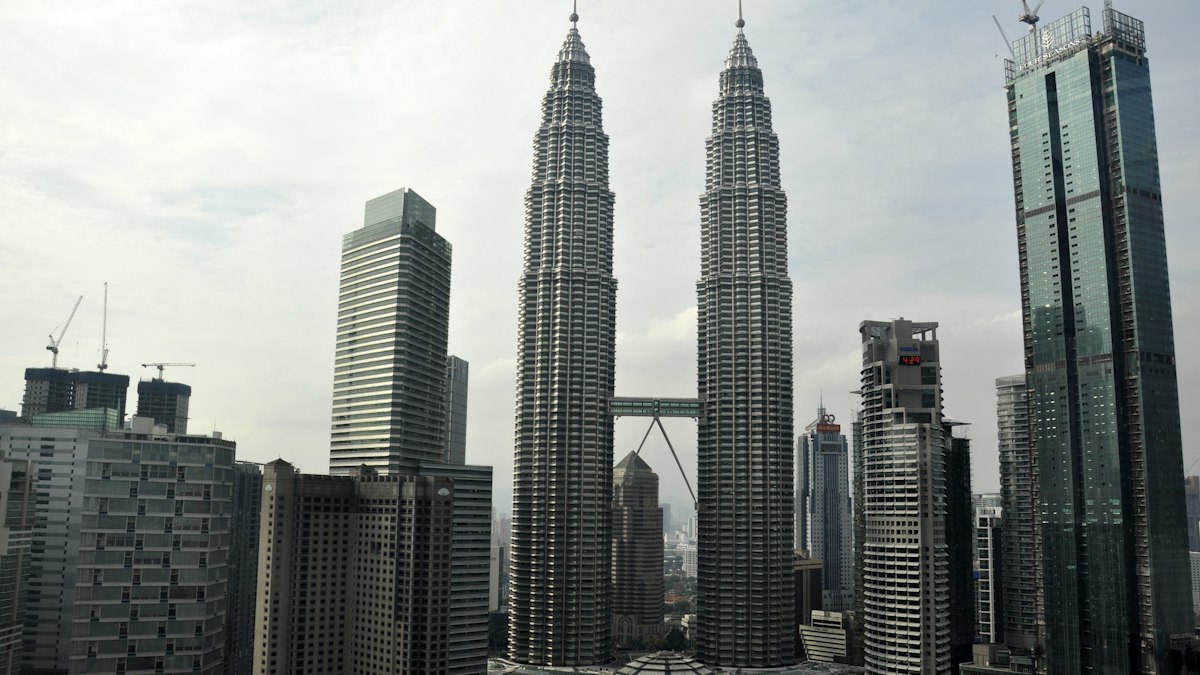
- Kuala Lumpur: A practical arrival point with rail connections, major shopping areas, museums, mosques, temples and food from across the country. Allow time beyond the central skyline; some of the best meals are in ordinary neighbourhoods.
- Penang: George Town brings together historic architecture, street art, clan buildings and an unusually deep food culture. The island also has hills, beaches and residential areas, though traffic can make short distances slower than expected.
- Langkawi: Best for beaches, mangroves and a gentler pace. Weather and sea conditions can affect boat activities, so avoid building an island itinerary around one immovable excursion.
- Sabah: A strong choice for mountains, islands and wildlife experiences. Distances are substantial, and some nature trips require guides, permits or organised transfers.
- Sarawak: Known for Kuching, national parks, caves and Indigenous cultures. As in Sabah, allow time for flights, river journeys and roads that are not designed around your hurried spreadsheet.
Sabah and Sarawak have their own immigration controls. Keep your passport accessible when arriving from Peninsular Malaysia or moving between Malaysian regions, and check the conditions attached to your entry permission.
How do I get around Malaysia?
Use a mix of urban rail, buses, ride-hailing, flights and local transfers rather than expecting one transport system to cover the whole trip. Kuala Lumpur has useful rail networks, although stations are not always beside the place you actually want to visit. Walking conditions also vary, with heat, sudden rain and uneven pavements adding their opinions.
In George Town, walking works well within the historic centre, while buses and ride-hailing help with longer journeys. Langkawi is more spread out; travellers often use taxis, ride-hailing or rental vehicles. If you drive or hire a scooter, confirm that your licence is valid, check the insurance carefully and wear the proper safety equipment. Traffic travels on the left.
For Borneo, flights can save long days on the road. National parks, remote lodges and trailheads may require boats, four-wheel-drive vehicles or pre-arranged transfers. Ask your accommodation or tour operator what the journey actually involves rather than assuming a pin on a map marks a normal road.
A simple transport routine prevents many arrival-day headaches:
- Save your accommodation address in both English and the locally used map listing.
- Download an offline map before leaving reliable Wi-Fi.
- Check the final connection, not merely the main flight or bus.
- Keep your passport and booking details available for domestic flights and regional immigration checks.
- Add spare time when weather, ferries or rural roads are involved.
What should I eat, and what local customs matter?
Eat widely, because Malaysia’s Malay, Chinese, Indian and Indigenous traditions make food one of the main reasons to travel here. Nasi lemak, roti canai, satay, char kway teow and the many regional versions of laksa are useful starting points, not a checklist to complete by Tuesday.
Hawker centres and food courts are good places to try several dishes in one sitting. Ordering systems vary: you may order at individual stalls, remember your table number and pay each vendor separately. Watch what other diners do, and ask if you are unsure. Busy stalls may involve a little purposeful confusion.
Malaysia is culturally and religiously diverse, with Islam playing a prominent public role alongside Buddhist, Hindu, Christian and other communities. Dress modestly when visiting places of worship, remove shoes where requested and ask before photographing people or ceremonies. Some mosques provide covering garments for visitors, but bringing clothing that covers shoulders and knees makes life easier.
Halal food is widely available, while pork and alcohol are absent from many Muslim-run establishments. During Ramadan, be considerate around people who are fasting and check whether opening patterns have changed. Standards and customs vary by venue, so a polite question works better than an assumption.
How can I stay connected and use mobile apps?
An eSIM can provide mobile data in Malaysia without replacing your physical SIM, provided your phone is unlocked, supports eSIM and is compatible with the selected service. Check those points in your device settings and with the manufacturer or mobile provider before buying anything.
Travelling to Malaysia?
- 3 GB per day · 1 day€5.90
- 1 GB per day · 3 days€6
- 3 GB per day · 3 days€7.10
Install the eSIM while you still have dependable Wi-Fi, then label it clearly so you do not confuse it with your home line. Travel eSIMs are often data-only, but inclusions vary, so read the plan details rather than assuming calls or text messages are included.
To set it up:
- Install the eSIM using the supplied instructions.
- Select it as the line for mobile data.
- Enable data roaming for the travel eSIM if the instructions require it.
- Turn off data roaming on your home SIM to avoid accidental use.
- Keep your home line active only if you need incoming messages and understand your provider’s roaming terms.
Coverage and performance depend on the local network, your device, congestion and location. Cities and established tourist areas usually offer more options than mountain interiors, offshore waters or remote rainforest. Download maps, booking confirmations, translation files and tickets before heading somewhere isolated.
Navigation, ride-hailing, airline, weather and messaging apps are particularly useful. Register important accounts before departure if they require a verification message, and keep a payment card plus some cash available in case an app or terminal refuses to cooperate.
Is Malaysia safe, and how can I control my budget?
Malaysia is generally manageable for independent travellers, but you should still take ordinary precautions and check official advice for the regions on your route. Petty theft can occur in busy areas, traffic may be the more immediate hazard, and outdoor plans bring weather, wildlife and terrain into the equation.
Keep bags closed in markets and transport hubs, use reputable transport providers, and avoid displaying valuables near the roadside. On hikes, island trips and wildlife excursions, choose operators with appropriate safety practices and follow local instructions. Check current travel advisories when considering remote border areas or parts of eastern Sabah, as guidance can change.
To keep spending under control without turning the trip into an accounting exercise:
- Group destinations geographically instead of repeatedly flying across the country.
- Use urban public transport where it suits the route, then compare other options for the final stretch.
- Eat at food courts and local restaurants as well as tourist-oriented venues.
- Decide which island, wildlife or guided activities matter most before booking the rest.
- Leave room for weather-related changes rather than locking every day into non-refundable arrangements.
Cards are common in many urban businesses, but cash remains useful at smaller eateries, markets and rural stops. Tell your bank you are travelling if needed, use ATMs in sensible locations, and carry more than one payment method. Travel insurance should match your actual plans, particularly if they include trekking, diving, scooter riding or travel to remote areas.
Travelling to Malaysia?
Get an eSIM with instant data and land already connected.
Stay connected wherever you travel
Instant eSIM data plans, wherever you're going. No physical SIM, no roaming surprises.