 MochiSim
August 12, 2026
Where Should You Visit in Malaysia?
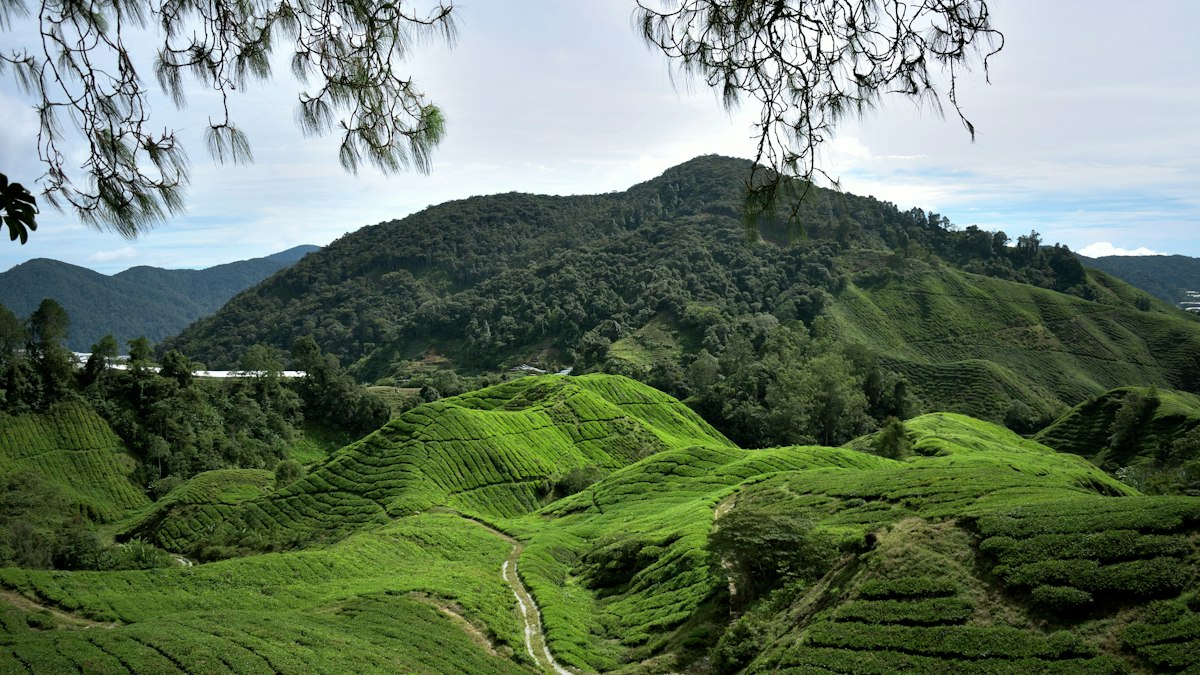
Malaysia’s best places to visit are Kuala Lumpur, Penang, Langkawi, Melaka, Sabah and Sarawak. For a first trip, combine Kuala Lumpur with either Penang or Langkawi; add Malaysian Borneo when wildlife, rainforest and outdoor adventures matter more than fitting everything into one neat route.
You could spend anything from a long weekend in one city to several weeks crossing the country. The trick is not to treat Malaysia as a checklist: the peninsula and Borneo are separated by sea, and both Sabah and Sarawak deserve more than a hurried stop.
Which Malaysian destination will suit you best?
The right destination depends on whether you want food, beaches, history or serious time outdoors. Here is the short version:
- Kuala Lumpur: Best for first-time visitors, short stays, shopping and big-city food. Allow two to four days.
- Penang: Best for street food, heritage architecture and travellers who like exploring on foot. Allow three to five days.
- Langkawi: Best for beaches, relaxed couples’ trips and families wanting a slower pace. Allow three to five days.
- Melaka (Malacca): Best for history, museums and a compact weekend break. Allow one or two days.
- Sabah: Best for wildlife, mountains, diving and active travellers. Allow at least five days, and preferably longer if visiting several regions.
- Sarawak: Best for rainforest, caves, Indigenous cultures and travellers who prefer a less hurried route. Allow five to ten days.
Those ranges are recommendations rather than rules. A food-focused traveller can happily linger in Penang, while someone indifferent to cities may be ready to leave Kuala Lumpur after seeing its main neighbourhoods and skyline.
How long should you spend in Kuala Lumpur and Melaka?
Give Kuala Lumpur two to four days and Melaka one or two, combining them if you want an easy introduction to Peninsular Malaysia. They offer very different versions of urban life.
In Kuala Lumpur, start around the historic centre before exploring neighbourhoods such as Brickfields, Kampung Baru and Bukit Bintang. The Petronas Towers provide the familiar skyline photo, but the city becomes more interesting at ground level: breakfast in a kopitiam, lunch at a banana-leaf restaurant, then an evening market or food court when the heat eases.
Kuala Lumpur suits first-time visitors, food lovers and anyone using the city as an arrival hub. Public transport reaches many central sights, though some journeys still involve a short walk in weather that may feel like a warm bath.
Melaka, also written Malacca, is more compact. Its trading history appears in temples, churches, mosques, shophouses and Peranakan homes clustered around the old centre. Walk by the river, visit a museum that matches your interests and explore early in the day before popular streets become busier.
Melaka works especially well for history-minded travellers, photographers and families who prefer short distances between sights. One night lets you see the city after day visitors have left; two gives you time to move beyond the central lanes.
Should you choose Penang or Langkawi?
Choose Penang for food and culture, or Langkawi for beaches and a gentler schedule. They can be combined, but neither benefits from being squeezed into a single rushed day.
On Penang, most visitors base themselves in George Town. Its appeal lies in the mixture: clan houses, temples, mosques, colonial-era buildings, contemporary cafés and hawker stalls all sit within a relatively small area. Try regional dishes gradually rather than attempting a heroic food crawl on your first evening. Your stomach has also travelled.
Beyond central George Town, you can visit Penang Hill, walk through green spaces or explore quieter parts of the island. Three days covers the essentials; four or five allows for slower meals and trips beyond the heritage area. Penang is best for food-driven travellers, couples and anyone who enjoys cities with visible layers of history.
Langkawi is an archipelago where the main island offers beaches, forested hills, boat excursions and viewpoints. Spend three to five days if you want time for both activities and doing very little. Weather and sea conditions can affect boat trips, so avoid assigning every hour in advance.
Langkawi suits families, couples and travellers who want a comfortable pause between busier destinations. It is less suitable if your ideal day involves walking from one historic sight to another; distances are spread out, and you will need to consider local transport.
Is Sabah worth adding to a first Malaysia trip?
Sabah is worth adding when wildlife or outdoor adventure is one of your main reasons for travelling. It lies in northern Malaysian Borneo, so allow enough time for flights, transfers and the occasional early start.
Kota Kinabalu is the usual gateway for nearby islands, markets and trips towards Kinabalu Park. Climbing Mount Kinabalu requires advance planning, suitable fitness and the relevant booking arrangements; check current park rules rather than assuming you can arrive and start walking.
For wildlife, many travellers head east towards Sepilok and the Kinabatangan River. Rehabilitation centres and guided river trips may offer chances to see orangutans, proboscis monkeys and other animals, but sightings are never guaranteed. That uncertainty is part of visiting a living forest rather than a theme park.
Divers often look towards islands off Sabah’s east coast. Access, permits and conditions vary, so confirm arrangements with a reputable operator and check official travel advice for the specific area.
Allow five to ten days for Sabah, depending on whether you focus on the west coast, the wildlife-rich east or both. It best suits active travellers, wildlife enthusiasts and people who do not mind swapping polished city logistics for muddy shoes.
What should you see in Sarawak?
Sarawak rewards travellers who want rainforest and culture without racing between headline attractions. Kuching makes a friendly base, while national parks and interior journeys add the sense of adventure.
In and around Kuching, stroll along the waterfront, visit museums and use the city as a starting point for nearby nature trips. Bako National Park is known for coastal landscapes, forest trails and wildlife, although access and trail conditions depend on weather. At orangutan rehabilitation sites, follow staff instructions and remember that the animals may choose not to appear.
Farther inland, Gunung Mulu National Park is the major draw for caves, limestone formations and guided forest activities. Getting there usually requires extra planning, and some experiences need advance arrangements. Sarawak also offers longhouse visits, but choose community-led or respectful local experiences rather than treating someone’s home as a human exhibit.
Five days gives you a taste of Kuching and its surroundings. Seven to ten days is better if you want to include Mulu or travel farther inland. Sarawak fits nature lovers, curious repeat visitors and anyone comfortable leaving blank space in the itinerary.
How should you build a Malaysia itinerary?
Build your route around one region first, then add a second only if you have enough full days on the ground. A sensible planning process looks like this:
- Choose your priority. Pick food and heritage, beaches, or Borneo wildlife as the trip’s main theme.
- Select one gateway city. Kuala Lumpur works well for the peninsula, while Kota Kinabalu and Kuching serve different parts of Borneo.
- Count transfer days honestly. A short flight can still consume much of a day once airport travel, check-in and delays are included.
- Keep one flexible day. Tropical rain, rough seas or simple tiredness can disrupt outdoor plans.
- Check entry and park requirements. Use official sources for current immigration rules, permits, closures and safety guidance.
- Book limited-access activities ahead. Mountain climbs, specialist nature trips and some park stays may require prior arrangements.
For roughly one week, Kuala Lumpur plus Penang or Langkawi is manageable. With around two weeks, you can combine those peninsula stops with one focused region of Sabah or Sarawak. Trying to cover Kuala Lumpur, both islands and both Bornean states in the same short holiday mostly produces an excellent tour of Malaysian airports.
How do you stay connected while travelling around Malaysia?
An eSIM can keep maps, ride-booking apps and messages working without requiring a physical SIM swap. Coverage and performance still depend on the local network, your exact location and your phone, particularly in parks, mountain areas and remote parts of Borneo.
Before leaving, check that your phone:
- supports eSIM installation;
- is unlocked from its home network;
- has the latest software updates;
- can use the network bands listed by the provider.
Travelling to Malaysia?
- 3 GB per day · 1 day€5.90
- 1 GB per day · 3 days€6
- 3 GB per day · 3 days€7.10
Install the eSIM while you have reliable Wi-Fi, but follow its activation instructions carefully because some plans begin when installed and others when they first connect. Save offline maps, booking details and park documents before travelling into rural areas. If your phone supports dual SIM use, you can usually keep your regular number active for messages while using the travel eSIM for data; check your settings and disable unwanted data roaming on your home line.
Travelling to Malaysia?
Get an eSIM with instant data and land already connected.
Stay connected wherever you travel
Instant eSIM data plans, wherever you're going. No physical SIM, no roaming surprises.