 MochiSim
July 31, 2026
What Should You Do, Eat and Explore in Taipei?
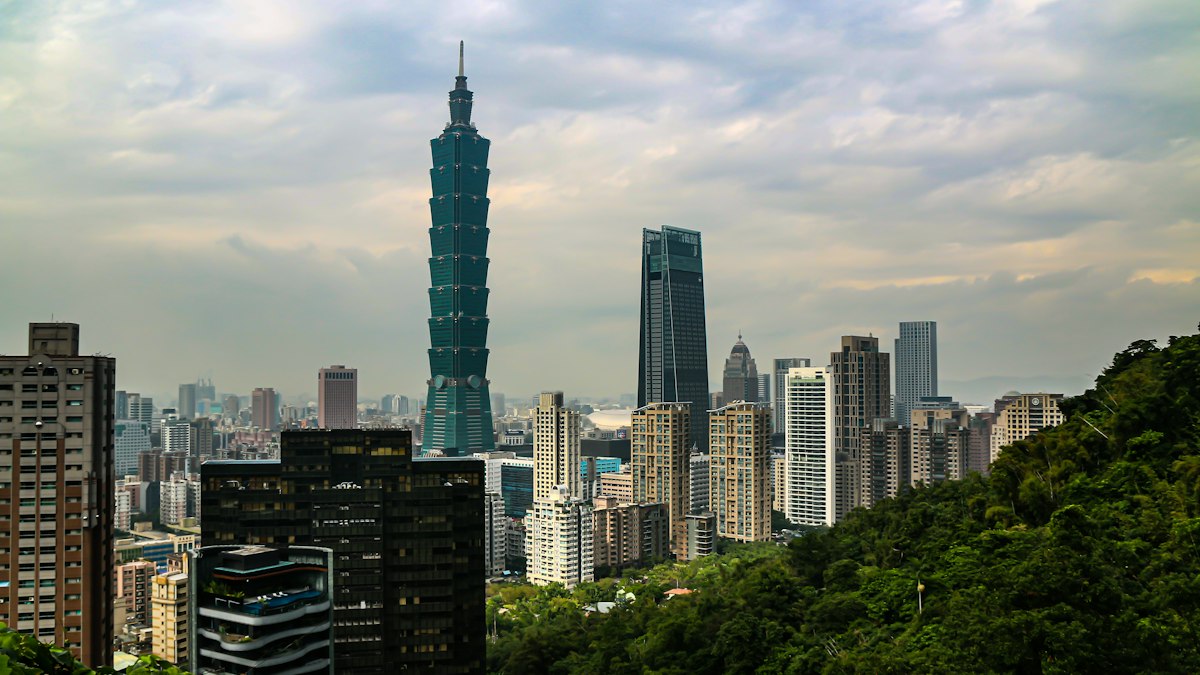
Taipei is best explored as a mix of big sights and small discoveries: visit Taipei 101, eat your way through a night market, step inside a working temple and leave time to wander older neighbourhoods. The MRT makes the city straightforward to navigate, while nearby hills and hot springs offer an easy change of pace.
What should you see on a first visit to Taipei?
Start with Taipei 101, a temple and one of the city’s older commercial districts to get a useful cross-section of Taipei. The skyline may appear futuristic, but much of the city’s character lives at street level among incense-filled courtyards, family-run food stalls and arcades crowded with scooters.
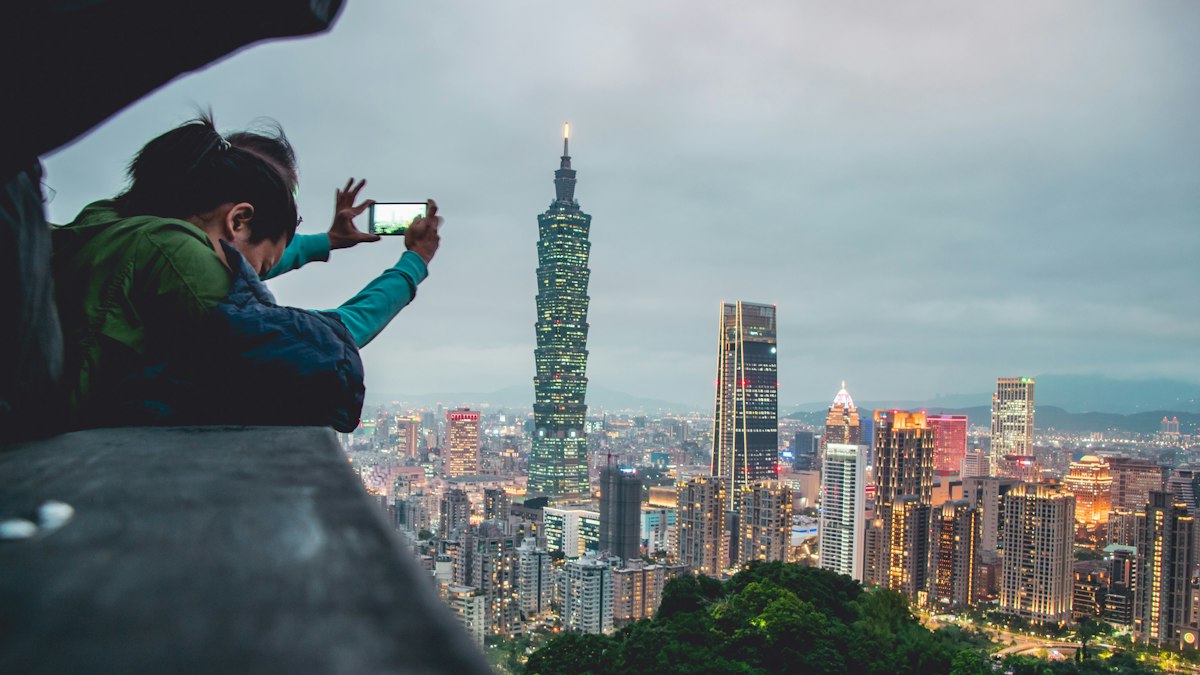
Taipei 101 is the obvious landmark. You can visit the observation floors when visibility is good, explore the surrounding Xinyi district or see the tower from a distance. For the classic skyline view, follow the marked trail up Xiangshan, also called Elephant Mountain. The climb is steep and humid weather makes it feel steeper, so take water and avoid treating it as an innocent little stroll in unsuitable shoes.
Longshan Temple is a good introduction to Taipei’s religious life. It is an active place of worship rather than a museum, so enter quietly, keep out of worshippers’ way and follow signs about photography. The surrounding Wanhua area is among the oldest parts of the city and rewards a slow walk through its lanes and traditional shopfronts.
For art and history, look at the current programmes at the National Palace Museum, Taipei Fine Arts Museum and the city’s converted cultural parks. Exhibitions and access arrangements change, so check official websites before crossing town.
Which Taipei neighbourhoods are worth exploring?
Dadaocheng, Ximending, Zhongshan and Xinyi each show a different side of Taipei, and all are easy to combine with nearby sights. Pick two rather than racing through all four in one afternoon.
- Dadaocheng: Walk along Dihua Street for historic façades, tea shops, fabric merchants and businesses selling dried ingredients. Continue towards the riverside around sunset if the weather cooperates.
- Ximending: This pedestrian shopping district is bright, busy and especially lively in the evening. Come for people-watching, cinemas, street snacks and the lanes around the Red House.
- Zhongshan: A comfortable area for cafés, independent shops and gallery browsing, with leafy side streets that make a pleasant break from major attractions.
- Xinyi: The modern face of Taipei, centred on Taipei 101, department stores and broad public spaces. It is polished rather than intimate, but the architecture and skyline are worth seeing.
- Yongkang Street: A compact food-focused area that works well around lunch, though queues can form at the best-known restaurants. The smaller lanes nearby are often more enjoyable than standing in the longest line on principle.
- Beitou: Head north for hot-spring history, green spaces and a slower atmosphere. Check individual bathing facilities in advance because rules, opening times and access policies vary.
Where should you eat in Taipei?
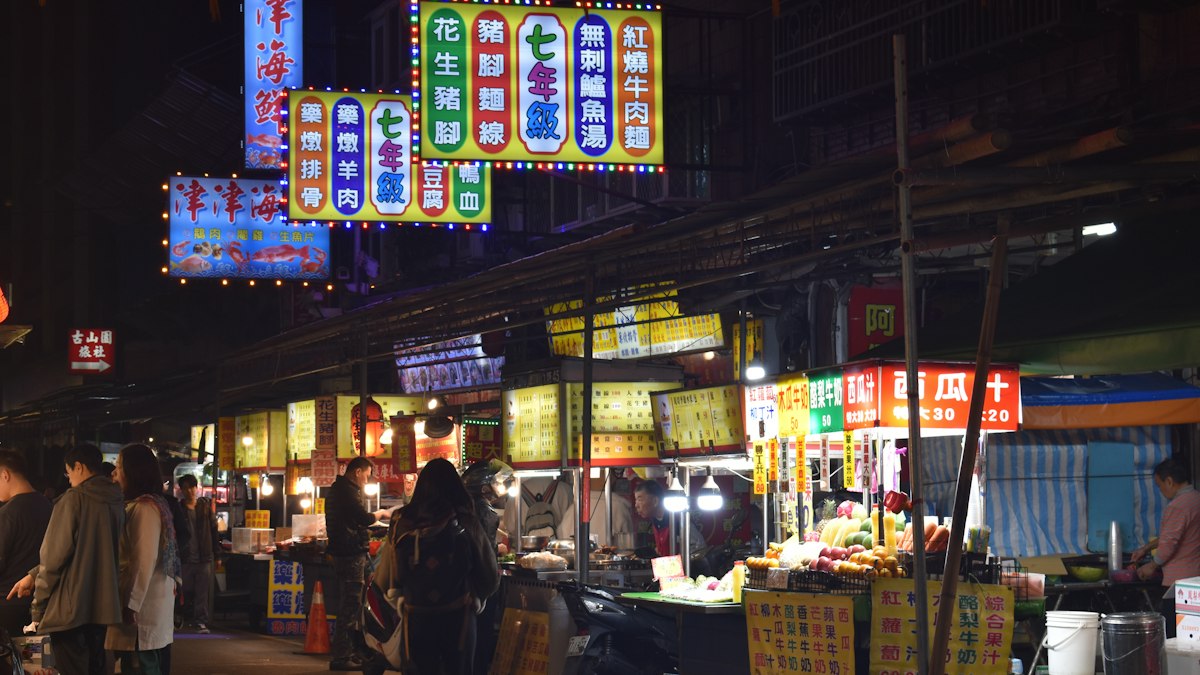
Eat at night markets, neighbourhood restaurants, breakfast shops and food courts rather than expecting one district to provide the definitive Taipei meal. The city is excellent for grazing, so sharing dishes gives you more room to try the next thing that smells tempting.
Look for beef noodle soup, braised pork rice, soup dumplings, scallion pancakes and Taiwanese breakfast combinations such as warm soy milk with savoury pastries. Night-market possibilities may include pepper buns, oyster omelettes, grilled meats, sweet potato balls and stinky tofu. The last one announces itself well before you reach the stall; liking it is optional, recognising it is not.
Raohe is a convenient linear market with food stalls and Ciyou Temple at one end. Ningxia is more compact and strongly food-focused, while Shilin is larger and spreads through several streets. Layouts and stall rosters evolve, so arrive ready to browse rather than clutching a rigid list assembled from old videos.
A few habits make eating easier:
- Carry tissues and use bins provided by vendors or stations rather than expecting public bins on every corner.
- Pointing is acceptable when language fails, but a translation app helps with ingredients and dietary restrictions.
- Ask before photographing stallholders or their food preparation.
- If you have a serious allergy, prepare a Traditional Chinese message explaining exactly what you must avoid; spoken reassurance can be lost in a crowded market.
- Visit popular markets earlier in the evening if you dislike dense crowds, while remembering that some stalls may not yet be operating.
How can you plan a good first day?
A practical first day links older Taipei with the modern skyline and leaves enough slack for snacks, rain or jet lag. Try this sequence rather than zigzagging across the map:
- Begin at Longshan Temple. Spend time observing the carvings, offerings and rituals without blocking entrances or worshippers.
- Walk through Wanhua. Explore the historic streets nearby, then stop for an early lunch where the menu and queue look manageable.
- Take the MRT towards Dadaocheng. Wander Dihua Street, browse tea and dry-goods shops, and pause in a café if the afternoon heat becomes tiresome.
- Continue to Xinyi before dusk. Visit Taipei 101 or travel to Xiangshan for a skyline view, allowing extra time for the uphill walk.
- Finish at a night market. Raohe fits neatly with the eastern side of the city, but choose whichever market involves the least backtracking from your accommodation.
In wet weather, replace the hike with an observatory, museum or long lunch. Taipei rewards flexible plans, particularly when a sudden downpour is making the decisions for you.
Is public transport easy to use in Taipei?
Yes, Taipei’s MRT is generally the simplest way for visitors to move between major neighbourhoods, with buses filling many of the gaps. Station signs and announcements commonly include English, but exits matter: choosing the wrong one can place you across a large junction with several unnecessary crossings ahead.
A reloadable transport card such as an EasyCard is useful for MRT journeys, buses and some other services. Check current purchase, refund and usage conditions through official transport information, as accepted services can change. Single-journey tickets are also available if you prefer not to use a stored-value card.
For a smooth journey:
- Use an official MRT map or a reliable navigation app to confirm routes and station exits.
- Queue where the platform markings indicate and let passengers leave first.
- Follow posted rules about eating and drinking inside the system.
- On buses, watch the onboard display and use your map to track the stop.
- Check the last service before a late evening out rather than assuming trains run all night.
- Use designated crossings when walking; scooters can approach quickly when traffic starts moving.
Taxis and app-based car services can help with luggage or places awkward to reach by rail, though availability and payment methods vary. From the airport, rail, bus and taxi options connect with the city; choose according to your arrival time, luggage and accommodation location after checking current operating information.
Do you need an eSIM and what else should you prepare?
An eSIM is useful for maps, translation, transport planning and messaging as soon as you arrive, but you should confirm that your phone supports eSIMs and is unlocked before travelling. Coverage and network performance vary by location, building and local network conditions, so no mobile connection should be treated as guaranteed.
Before departure, check your device manufacturer’s specifications and your mobile operator’s lock status. Install the eSIM while you have dependable Wi-Fi, keep the activation details somewhere accessible offline and follow the provider’s instructions about when to switch it on. If your phone uses dual SIMs, label each line clearly and check which one is selected for mobile data to avoid accidental roaming on your home SIM.
Travelling to Taiwan?
- 1 GB per day · 3 days€6.10
- 3 GB per day · 1 day€6.20
- 3 GB per day · 3 days€7.40
Taipei is humid for much of the year, and rain can arrive with little ceremony. Pack a light waterproof layer, comfortable shoes with grip and a portable battery for navigation-heavy days. Weather disruptions, including tropical storms, are possible in season, so monitor official forecasts and transport notices rather than relying on an itinerary saved weeks earlier.
Mandarin Chinese is the main spoken language, and signs often use Traditional Chinese characters. English is common in much of the transport system but less dependable in small restaurants and markets. Save your hotel address in Chinese, download an offline translation tool and take a screenshot of the nearest MRT station. That tiny bit of preparation is particularly useful when you arrive tired and every brightly lit lane looks plausible.
Travelling to Taiwan?
Get an eSIM with instant data and land already connected.
Stay connected wherever you travel
Instant eSIM data plans, wherever you're going. No physical SIM, no roaming surprises.