 MochiSim
October 3, 2026
What to Pack for Southeast Asia: Complete Travel Checklist
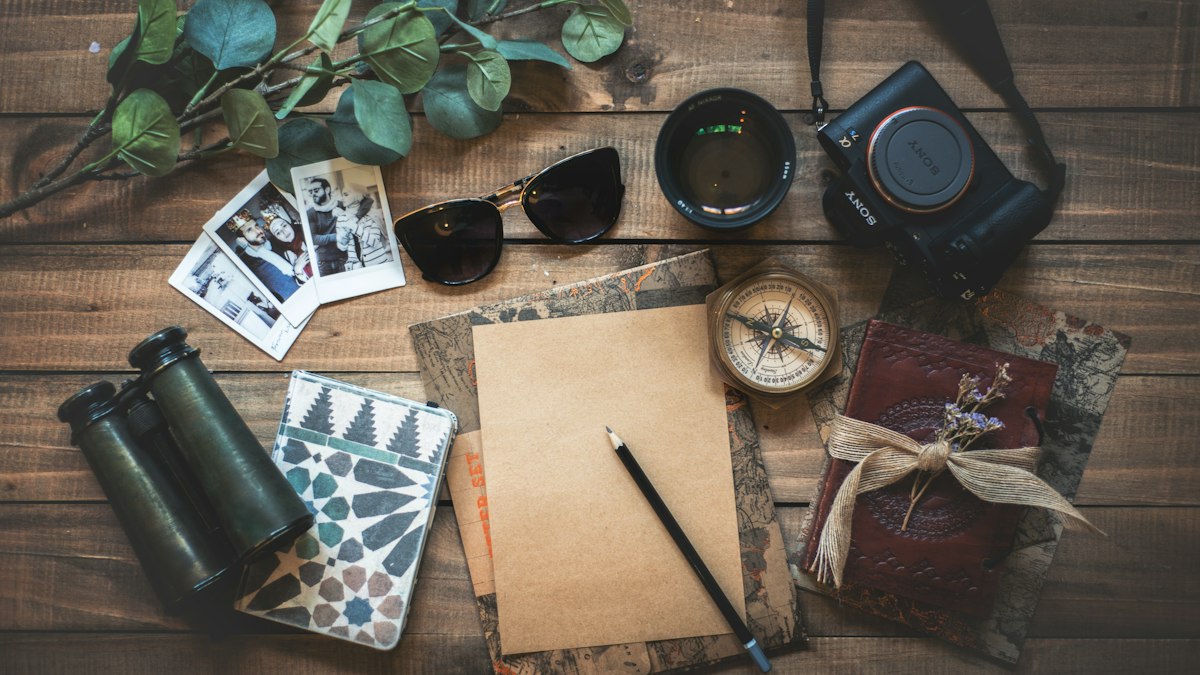
Pack light, breathable clothing, one temple-ready outfit, a universal adapter, copies of your documents, a small medical kit and a phone prepared for data abroad. Everything else is optional, and you can buy most of it locally for less than you would pay at home.
The mistake most people make is packing for the climate they fear rather than the trip they are taking. Southeast Asia is hot and humid for much of the year, laundry is cheap and quick, and shops are never far away. A carry-on and a small daypack covers most itineraries, with room left over for what you buy along the way.
What clothes should I pack for the heat and the temples?
Think thin layers that dry fast. Linen, light cotton and technical fabrics beat jeans, which stay damp for ages in humid weather. Seven days of clothing is plenty, because laundry services are common and cheap.
A reasonable core kit:
- 4 to 5 breathable tops, at least two with sleeves
- 2 pairs of lightweight trousers or a long skirt
- 1 or 2 pairs of shorts
- A light rain jacket or a packable poncho
- Swimwear and a quick-dry towel
- Slip-on sandals plus one pair of closed shoes
Temples are the part people forget. At places such as the Grand Palace in Bangkok, visitors are generally expected to cover shoulders and knees, and the rules can be enforced at the gate. Pack one outfit with a sleeved top and long trousers or a long skirt, or carry a light scarf. Many sites make you remove your shoes, so slip-ons save time. Dress codes vary by site, so check the official page of anywhere you plan to visit.
Which plug adapter do I need for each country?
Most of the region runs on roughly 220 to 240 volts, so European and UK devices usually work with an adapter alone. North American devices are often 110 to 120 volts, so check the label on each charger before plugging in. If it says 100-240V, you are fine.
Plug types differ, and some countries accept several at once:
- Thailand: types A, B, C, F and O sockets are all seen, and many accept both flat and round pins
- Vietnam: mainly A and C, with some F
- Cambodia: A, C and G are all in use
- Indonesia: C and F, the standard European two-round-pin shapes
- Philippines: A and B, with C also common
Sockets in older guesthouses can be worn or oddly shaped, so a single universal adapter with a built-in fuse is the safest buy. Add a power strip with a long cable if you travel with several devices, and a power bank of at least 10,000 mAh for long transport days and tour days when you cannot charge.
Which documents should I bring and check before leaving?
Start with your passport. Several countries in the region require it to be valid for six months beyond your arrival date, and it needs blank pages. Entry rules, visa-exemption periods, e-visa requirements and arrival cards change often, so verify them on the official government site of each country shortly before you fly. Airlines can refuse boarding if your paperwork is not right.
Bring or save the following:
- Passport and a spare passport photo or two for land borders
- Travel insurance policy number and the emergency phone line
- Proof of onward travel if the country asks for it
- Accommodation bookings for the first night
- Driving licence, and an international permit if you plan to rent a scooter (many insurers will not pay out without the right licence)
- Debit and credit cards, plus a small amount of cash for arrival
Keep digital copies of all of it in an offline folder on your phone and in cloud storage. Photos of the passport page are not a substitute for the real thing, but they make replacements far easier.
What medicines and health items should I pack?
Pharmacies are everywhere in the main cities and tourist areas, but brands differ and rural areas are thinner. Bring enough of any prescription medication for the whole trip, in original packaging, with a doctor's letter if it is a controlled or unusual drug. Some countries restrict certain medicines, so check the customs rules of your destination officially.
A compact kit covers most problems:
- Oral rehydration salts and anti-diarrhoea tablets
- Painkillers and antihistamines
- Plasters, antiseptic wipes and a small blister treatment
- High-factor sun cream and after-sun
- Insect repellent containing DEET or a similar active ingredient
- Motion sickness tablets for winding mountain roads and ferries
Talk to a travel clinic about vaccinations and malaria advice for your route well ahead of departure. Also note that vapes and e-cigarettes are restricted or banned in several countries in the region, including Thailand, and fines or worse can follow. Leave them at home unless you have confirmed the current rules.
What travel accessories are actually worth carrying?
A few small items punch well above their weight:
- A lightweight dry bag for boat trips and sudden downpours
- A padlock for hostel lockers and bags on overnight buses
- A refillable bottle, as tap water is generally not drunk in much of the region
- Packing cubes to keep a humid bag from becoming one damp pile
- Earplugs and an eye mask for dorms, night trains and early ferries
- A small crossbody bag with a zip, kept in front of you in crowds
Leave behind the hairdryer, bulky towels, expensive jewellery and anything you would be upset to lose. If you ride a scooter, bring your own helmet only if you are particular. A decent one is usually provided, but the quality varies.
Which apps and digital tools should I set up before I fly?
Download offline maps for each city, a translation app with offline language packs, and your airline and accommodation apps. Ride-hailing apps such as Grab are very useful in many countries, and banking apps should be told you are travelling so they do not freeze your card. Save boarding passes and booking confirmations as screenshots in case signal drops.
Set up a password manager and two-factor authentication before you leave. Note that many services send a code by SMS to your home number, which becomes important in the next section.
How do I prepare my phone and mobile data before departure?
Do this at home, on reliable wifi, not at the arrival gate. A short phone checklist:
- Check that your phone supports eSIM and that it is carrier unlocked. A phone still locked to your home network will not accept a foreign plan.
- Update the operating system so the eSIM menus and security fixes are current.
- Back up your phone, then turn off or limit roaming on your home SIM so it does not run up charges.
- Choose and install your travel eSIM before you fly if your provider allows it, and keep the QR code or details somewhere offline.
- Save an emergency contact list that does not depend on data.
The sensible setup is dual SIM. Keep your home SIM active for calls and SMS, since banks, delivery apps and ride-hailing logins often send one-time codes to your home number, and switch mobile data to the travel eSIM. A MochiSim eSIM is data only, with no phone number, calls or SMS, so it is built for exactly this arrangement. Set the travel eSIM as your data line, switch data roaming on for that line only, and turn data roaming off for the home SIM.
Once you land, activate the plan as your provider instructs and check that your phone connects. If you need help picking a plan, MochiSim offers options for individual countries and the wider region, and coverage and speeds depend on the local network.
Stay connected wherever you travel
Instant eSIM data plans, wherever you're going. No physical SIM, no roaming surprises.